
When people think of premium tea, Japan is often one of the first countries that comes to mind.
Names such as Matcha, Sencha, Gyokuro, and Hojicha have become synonymous with quality, craftsmanship, and tradition.
Indonesia rarely receives the same level of international attention.
Yet Indonesia is one of Asia’s oldest tea-producing nations, with more than 300 years of tea-growing heritage, historic tea estates, fertile volcanic soils, and some of the most favorable tea-growing conditions in the world.
Both countries produce exceptional tea.
The difference is not which country produces better tea.
The difference lies in how each country developed its tea identity.
Two Different Tea Identities
Japan built its reputation through specialization.
Indonesia built its reputation through versatility.
For generations, Japanese tea producers focused on refining a relatively narrow range of tea styles to an extraordinary level of precision.
Indonesia evolved differently.
Its tea industry developed across multiple growing regions, elevations, and processing traditions, allowing the country to produce a wide range of tea categories from a single origin.
As a result, the two countries became known for very different strengths.
Japan: The Green Tea Specialist
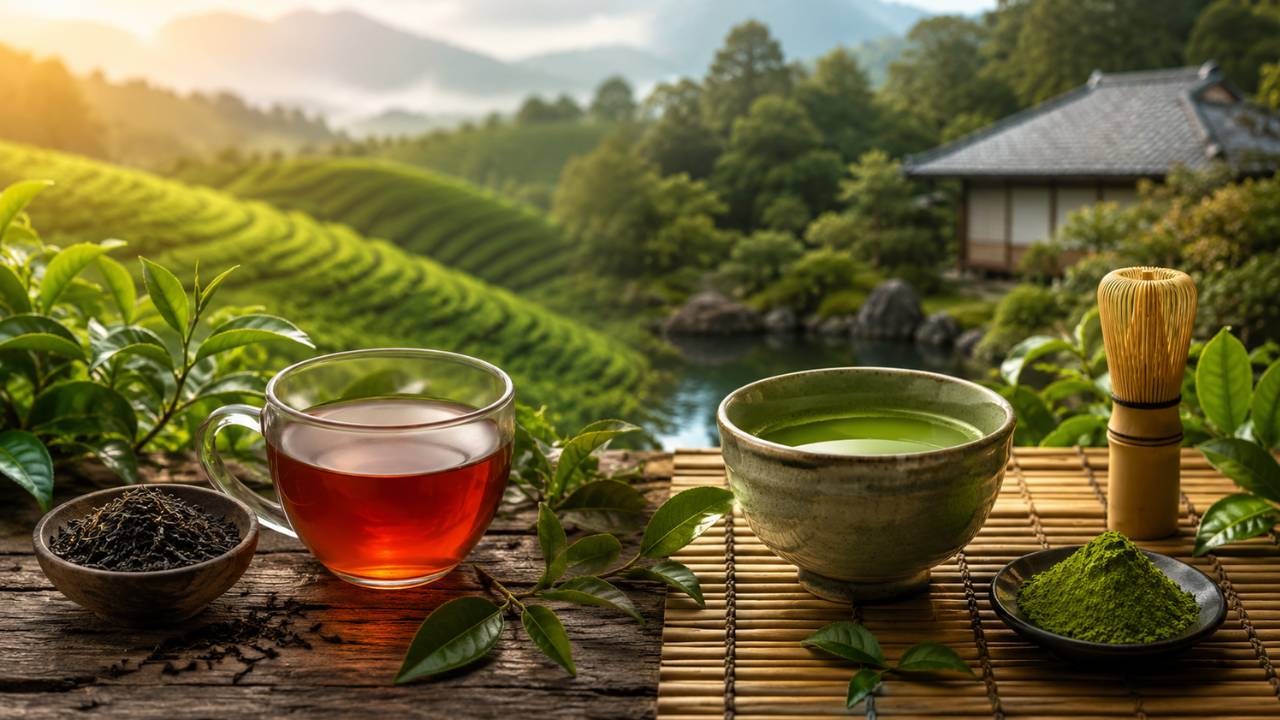
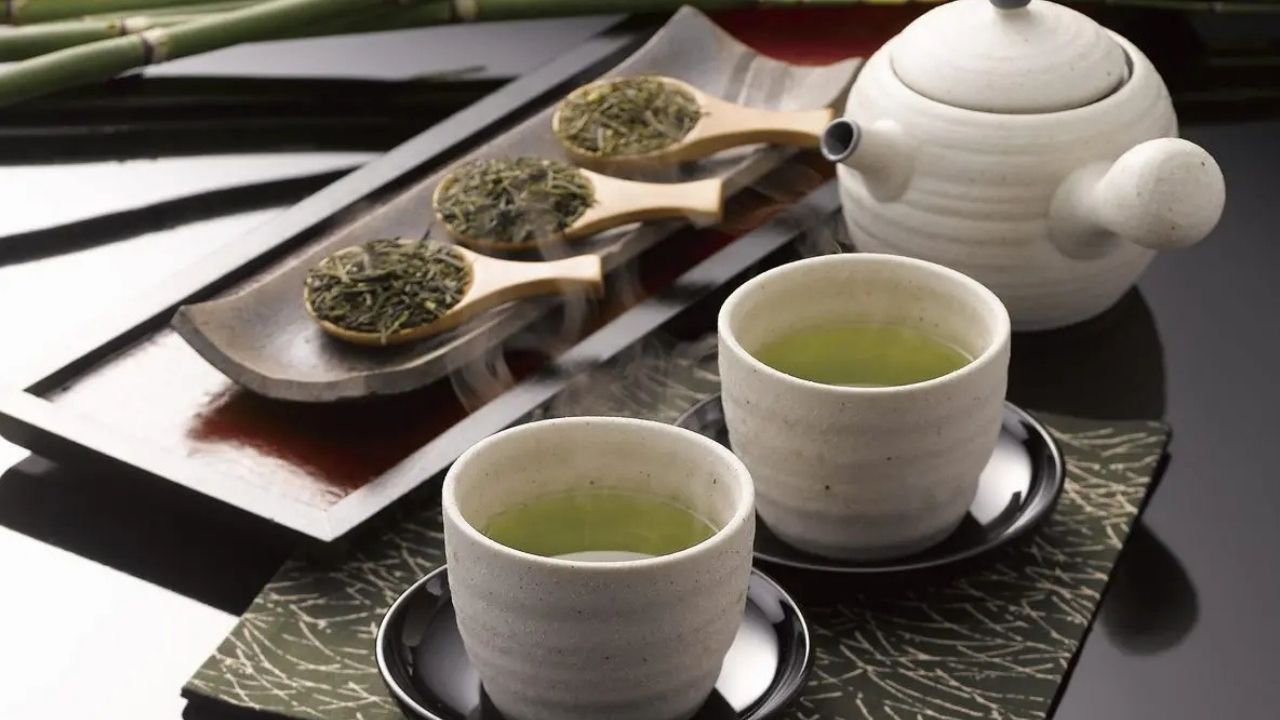
Japan is one of the world’s most respected green tea origins.
Its global reputation is built largely on:
- Matcha
- Sencha
- Gyokuro
- Genmaicha
- Hojicha
Over centuries, Japanese producers refined cultivation and processing techniques to create highly distinctive teas that became recognized around the world.
Today, Japan is often viewed as a benchmark for premium green tea.
Its strength comes from specialization.
Indonesia: One Origin, Many Tea Styles
Indonesia’s strength is diversity.
Unlike Japan, Indonesia is not defined by a single tea category.
Instead, Indonesia produces:
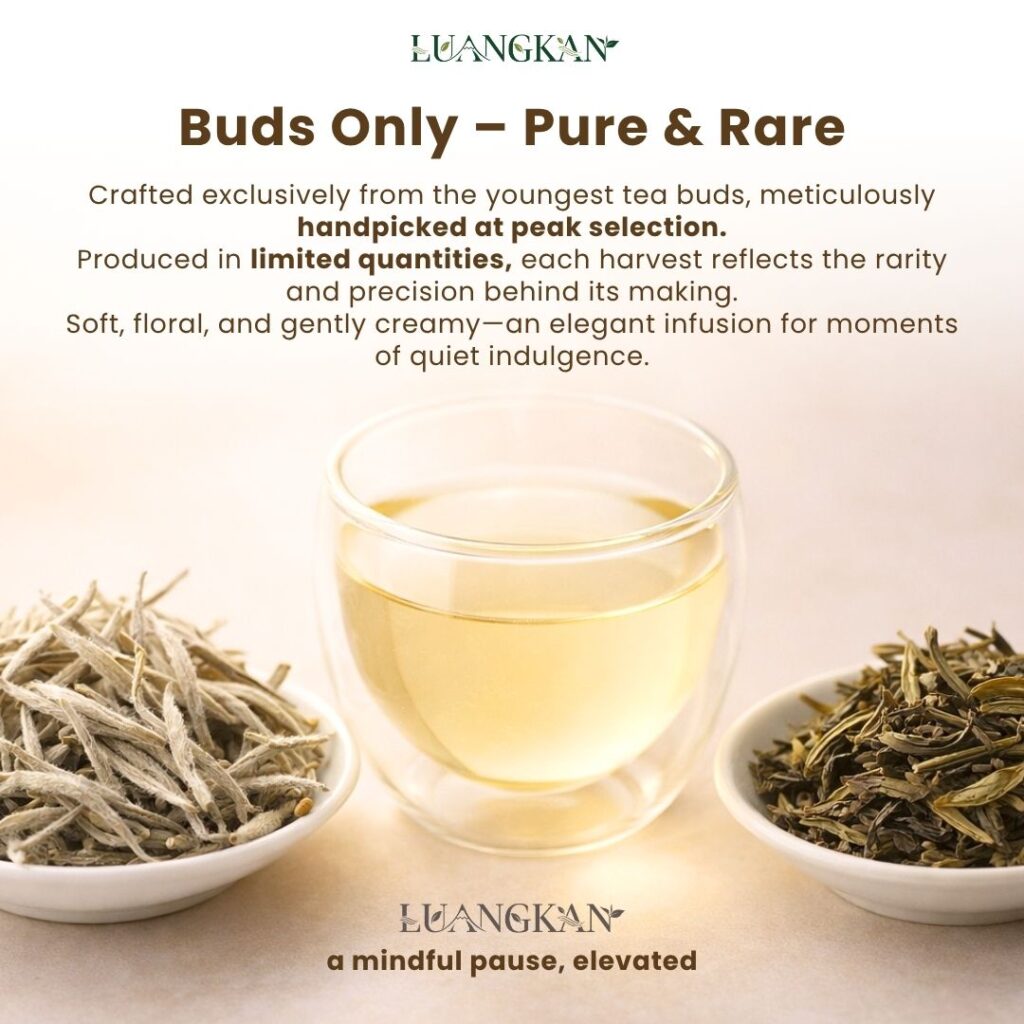
- White Tea
- Green Tea
- Black Tea
- Oolong Tea
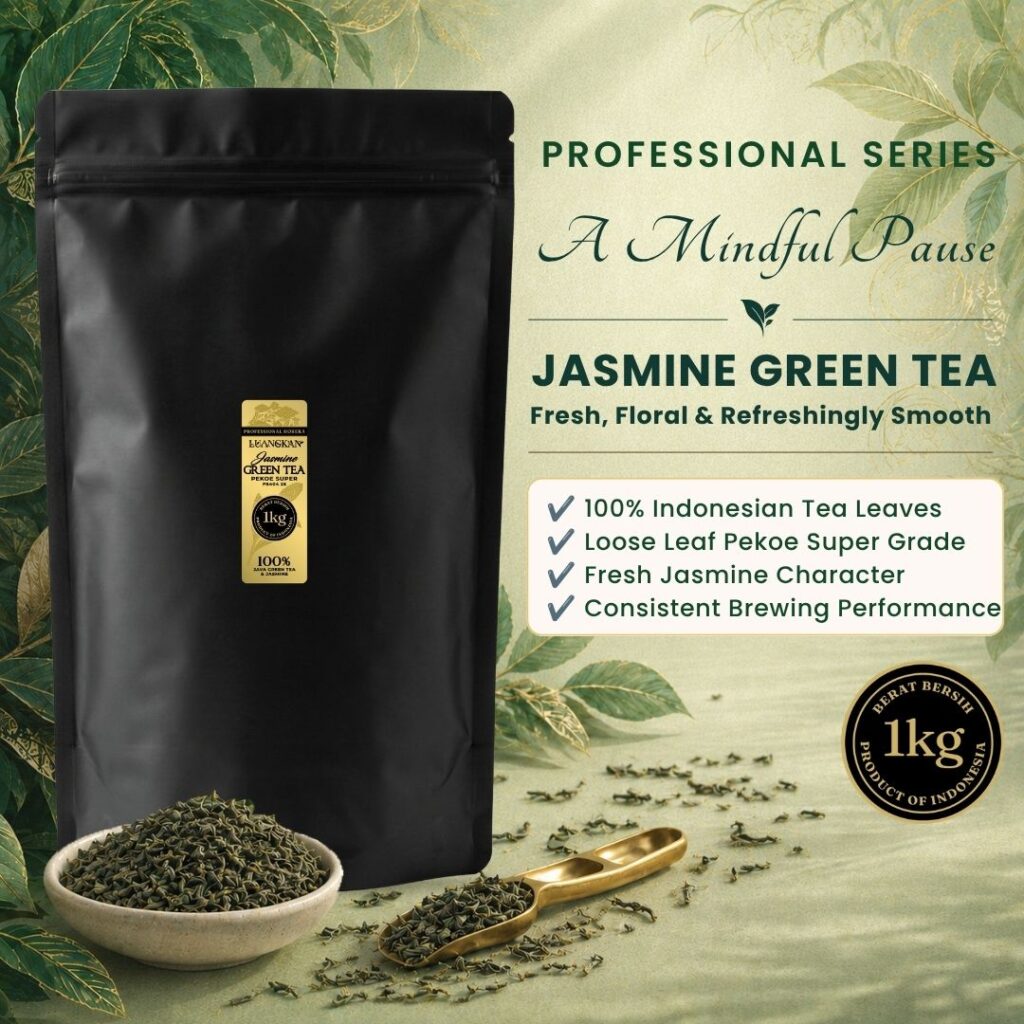
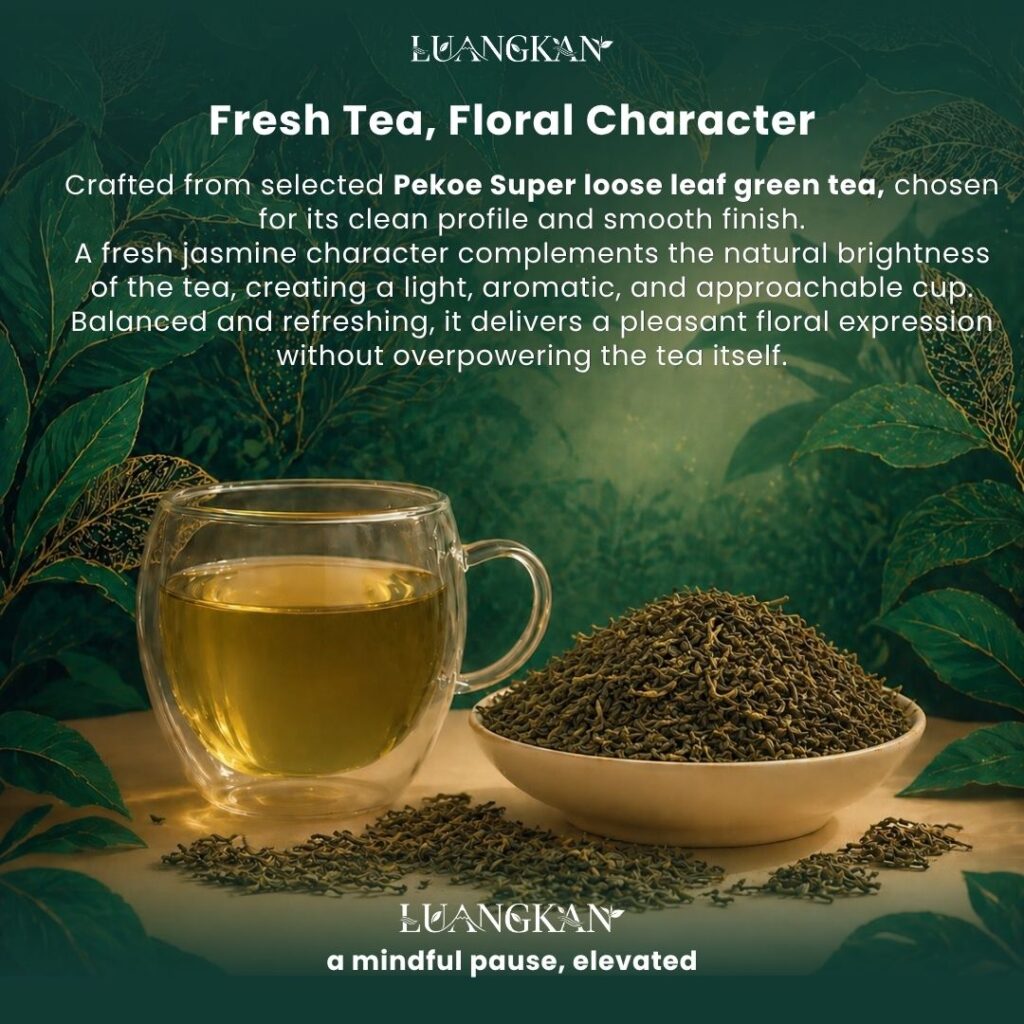
- Jasmine Tea
This versatility is unusual within the global tea industry.
Few tea-producing countries can offer such a broad range of tea styles while maintaining strong connections to origin and estate heritage.
For tea buyers, distributors, hospitality groups, and tea brands, this flexibility creates significant value.
Scarcity vs Freshness
One of the most overlooked differences between Japanese tea and Indonesian tea is the harvest cycle.
Many premium Japanese teas derive part of their appeal from scarcity.
A well-known example is Shincha, Japan’s first tea harvest of the year.
Because it is available only for a limited period, its seasonal release becomes an anticipated event among tea enthusiasts. Scarcity creates exclusivity.
Indonesia offers a different advantage.
Thanks to its tropical climate, stable temperatures, and consistent rainfall, tea can be harvested throughout much of the year.
This creates an opportunity that few tea-producing countries can match: freshness.
While many teas are tied to limited seasonal harvests, Indonesian tea can be harvested, processed, and supplied with remarkable consistency throughout the year.
Japan demonstrates the value of rarity.
Indonesia demonstrates the value of freshness.
Both are premium attributes—but they tell different stories.
Volcanic Soil and Natural Advantage
Indonesia possesses another advantage that often receives less attention internationally.
Many of the country’s most important tea-growing regions are located on volcanic highlands.
Areas such as Ciwidey, Pangalengan, Garut, and other regions of West Java benefit from:
- Volcanic soils
- High elevations
- Cool mountain climates
- Abundant rainfall
These conditions create an environment capable of producing teas with complexity, balance, and strong origin character.
Combined with generations of tea-growing expertise, they provide a foundation for exceptional tea production.

Why Indonesia’s Diversity Matters
In today’s tea market, buyers increasingly seek authenticity, traceability, and differentiation.
Indonesia’s diversity allows a single origin to offer:
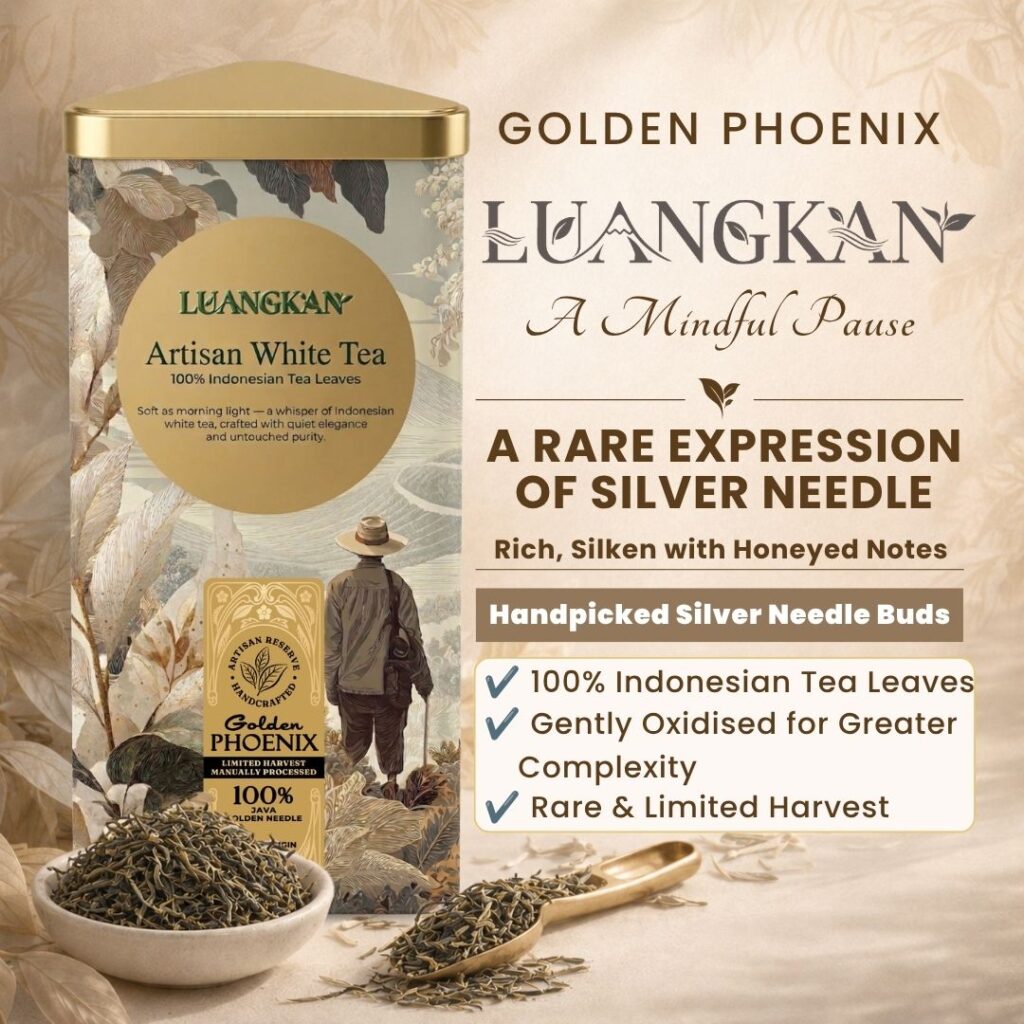
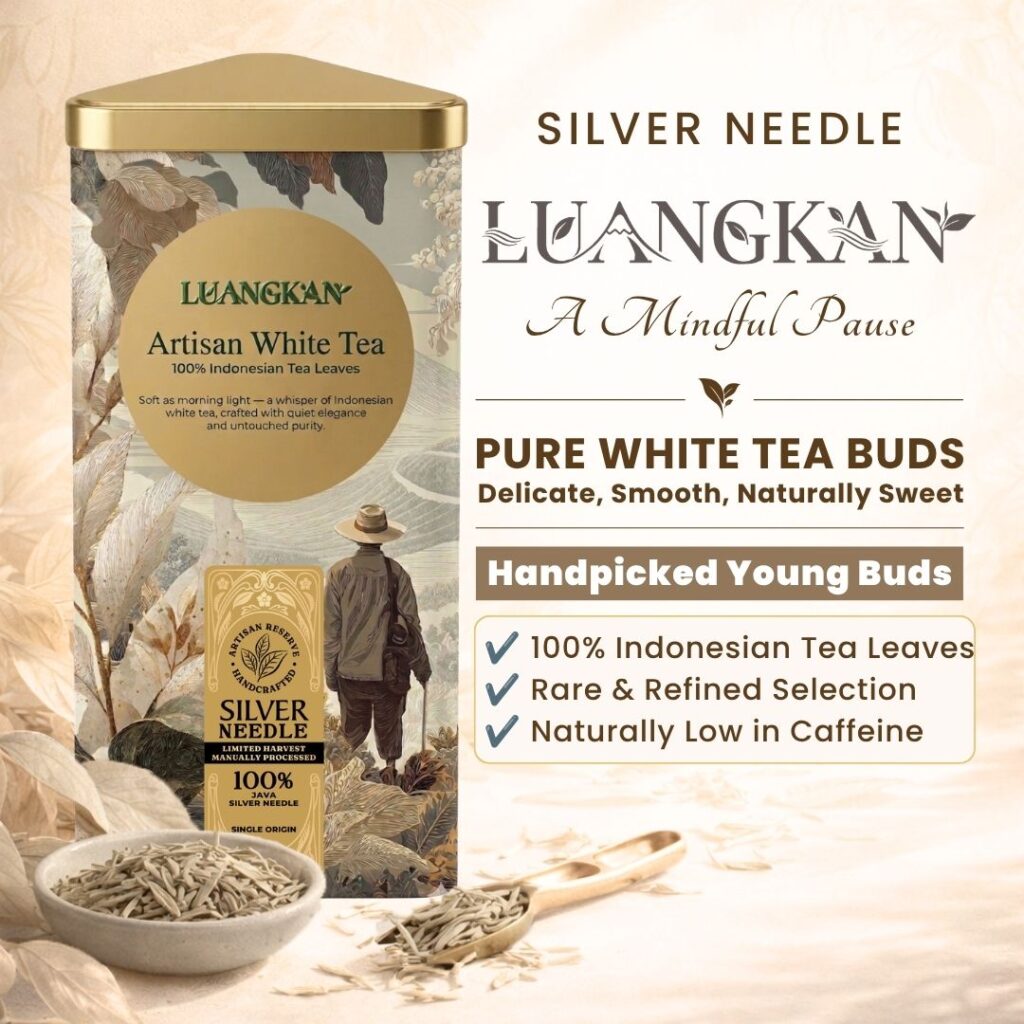
- Premium White Tea
- Specialty Green Tea
- Estate Black Tea
- Oolong Tea
- Jasmine Tea
This breadth gives Indonesian tea a unique position within the global tea industry.
Rather than being known for one iconic tea style, Indonesia has the potential to become known as one of the world’s most versatile premium tea origins.
Beyond Reputation
Japan’s premium reputation is well deserved.
It was built through generations of craftsmanship, consistency, and clear positioning.
Indonesia followed a different path.
For many years, much of the country’s tea industry focused on supplying global demand at scale. As a result, Indonesia became widely known as a reliable tea-producing nation but was less recognized for its premium tea potential.
That perception is changing.
Around the world, tea professionals are increasingly discovering what Indonesian tea can achieve when quality becomes the primary objective.
The conversation is gradually shifting from volume to craftsmanship, from commodity to origin, and from production to quality.
A New Generation of Indonesian Tea
A growing number of Indonesian tea producers are helping lead this transformation.
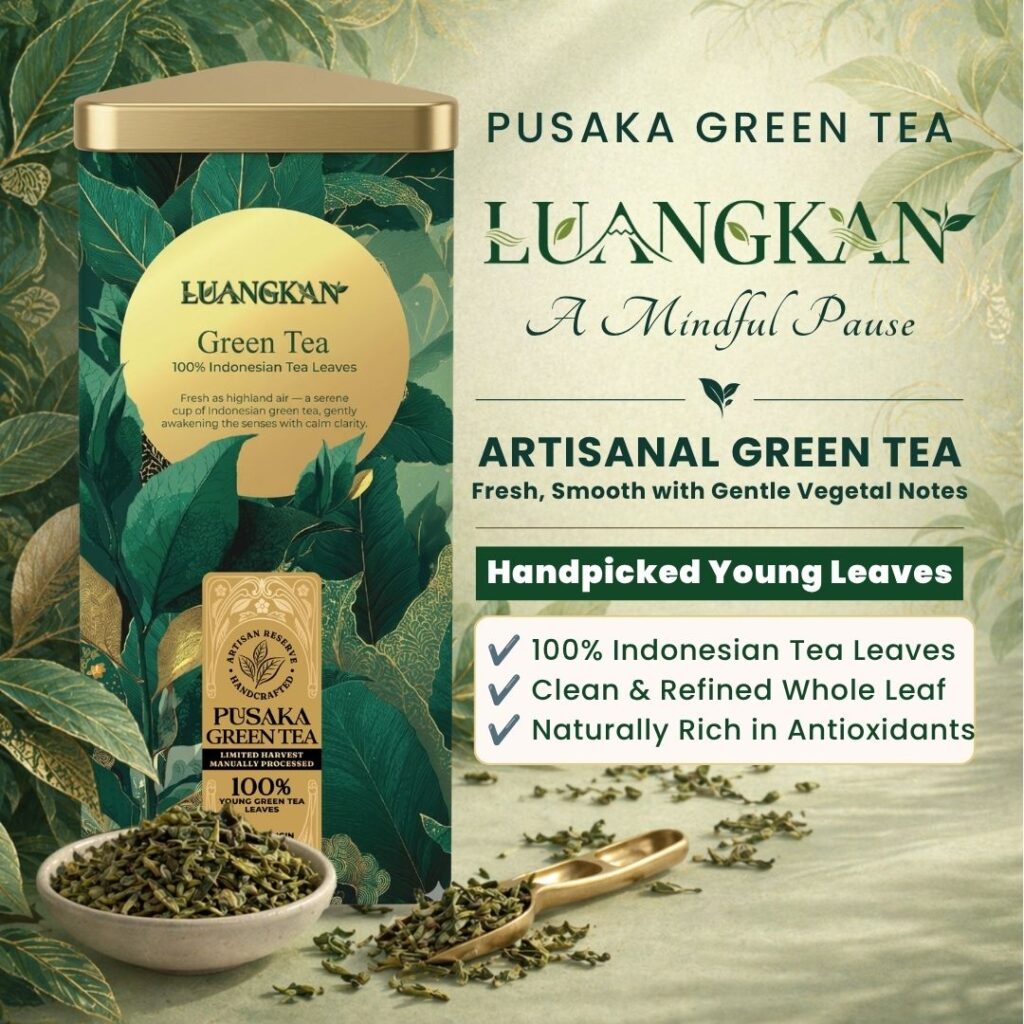
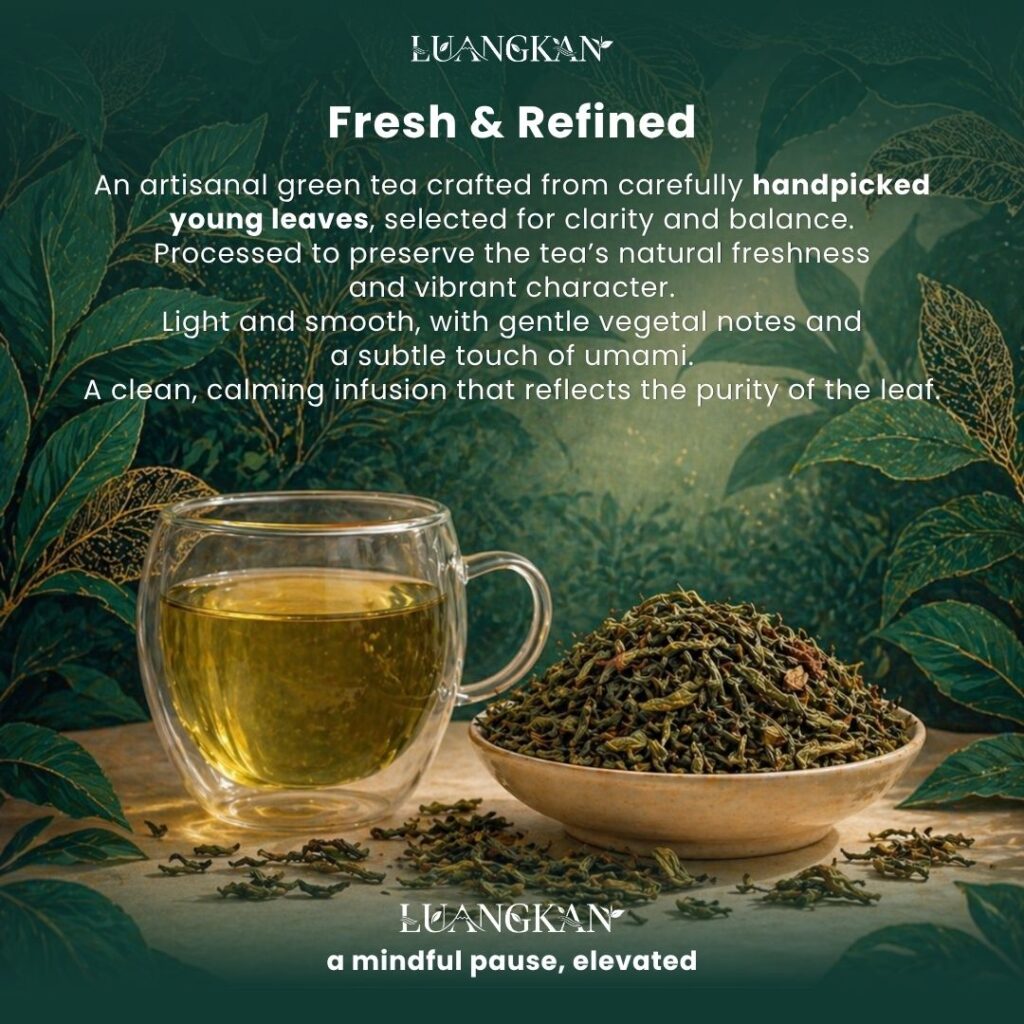
Among them is LUANGKAN Tea.
Built upon tea estates across West Java, including a historic estate whose roots trace back to the Kerkhoven era of tea cultivation, LUANGKAN focuses on quality-first tea production rather than volume-driven output.
By emphasizing selective harvesting, premium leaf selection, estate heritage, and origin character, LUANGKAN seeks to showcase the true potential of Indonesian tea.
Today, teas produced by LUANGKAN are supplied to several international tea brands and featured within selected premium tea collections, reflecting the growing recognition of high-quality Indonesian tea in global markets.
Different Strengths, Different Futures
Japanese tea and Indonesian tea should not be viewed as competitors.
They represent different expressions of what great tea can be.
Japan demonstrates the power of specialization.
Indonesia demonstrates the power of diversity.
Japan built prestige through rarity and refinement.
Indonesia is increasingly earning recognition through versatility, freshness, heritage, and quality.
Both have a place in the future of premium tea.
The difference is that the world already knows Japan’s story.
Indonesia’s story is only beginning to be discovered.
About LUANGKAN Tea
LUANGKAN Tea proudly owns and operates tea estates across West Java, combining generations of tea-growing expertise with modern standards of quality, consistency, and authenticity.
Through a commitment to origin, craftsmanship, and premium tea production, LUANGKAN brings the finest of Indonesian tea to customers and partners around the world.