
Why can two teas made from the same tea plant taste completely different?
Why does one tea develop more sweetness, while another shows greater complexity or body?
The answer often lies in a concept known as terroir.
Originally associated with wine, terroir refers to the environmental conditions that influence how an agricultural product develops.
In tea, terroir helps explain why the same tea variety can produce very different results depending on where it is grown.
Simply put, terroir is nature’s influence on tea.
What Is Tea Terroir?
Tea terroir is the combination of environmental factors that shape a tea’s character before it is harvested.
These factors include:
- Elevation
- Climate
- Temperature
- Rainfall
- Soil conditions
- Sunlight exposure
Together, they influence how tea plants grow and how the leaves develop their unique characteristics.
While processing remains important, terroir helps determine the raw potential of the leaf itself.
Elevation Influences Tea Quality
Elevation is one of the most important components of tea terroir.
Tea grown at higher elevations often develops more slowly because of cooler temperatures.
This slower growth can allow the plant to develop greater complexity and concentration within the leaf.
As a result, high-grown teas are often associated with:
- Greater aroma
- More complexity
- Refined flavor profiles
- Better balance
This is one reason why many respected tea-growing regions around the world are located in mountainous environments.
Climate Shapes Character
Tea plants respond constantly to their environment.
Temperature, humidity, and seasonal conditions all influence how tea develops.
Even small differences in climate can affect:
- Flavor intensity
- Sweetness
- Body
- Aroma
This is why tea from one region may express itself differently from tea grown elsewhere, even when similar tea varieties and processing methods are used.
Climate helps shape the personality of a tea.
Soil Matters More Than Many People Realize
Healthy soil supports healthy tea plants.
The mineral composition, structure, and fertility of the soil all contribute to plant development.
Many of the world’s most respected tea-growing regions benefit from unique soil conditions that support high-quality cultivation.
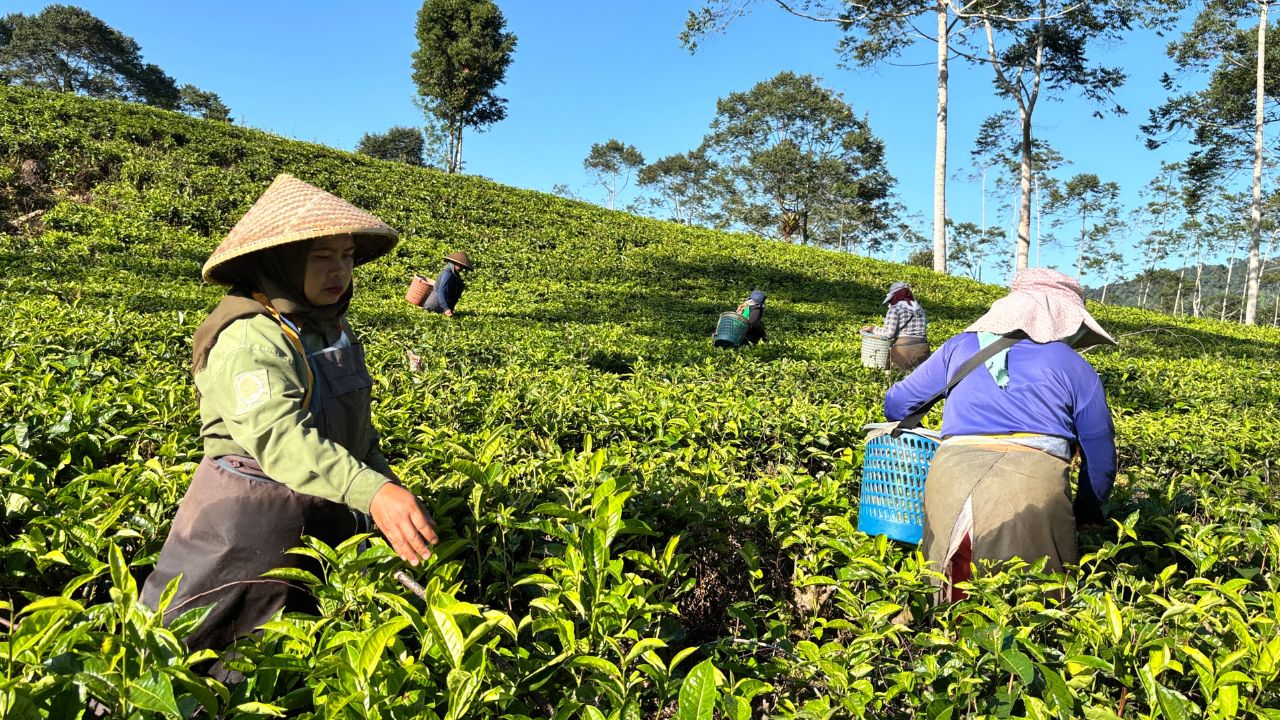
In West Java, for example, many tea gardens are located in volcanic highlands where fertile volcanic soils help create favourable growing conditions for tea production.
Soil alone does not determine quality, but it remains an important part of the terroir equation.
Rainfall and Sunlight Influence Growth
Tea plants require both water and sunlight to thrive.
The balance between these elements can influence how tea leaves develop.
Too little rainfall may stress the plant.
Too much rainfall can affect growth and harvesting conditions.
Likewise, sunlight influences photosynthesis and overall plant development.
When rainfall, sunlight, and climate work together harmoniously, tea plants are better positioned to produce high-quality leaves.
Why Identical Tea Plants Taste Different
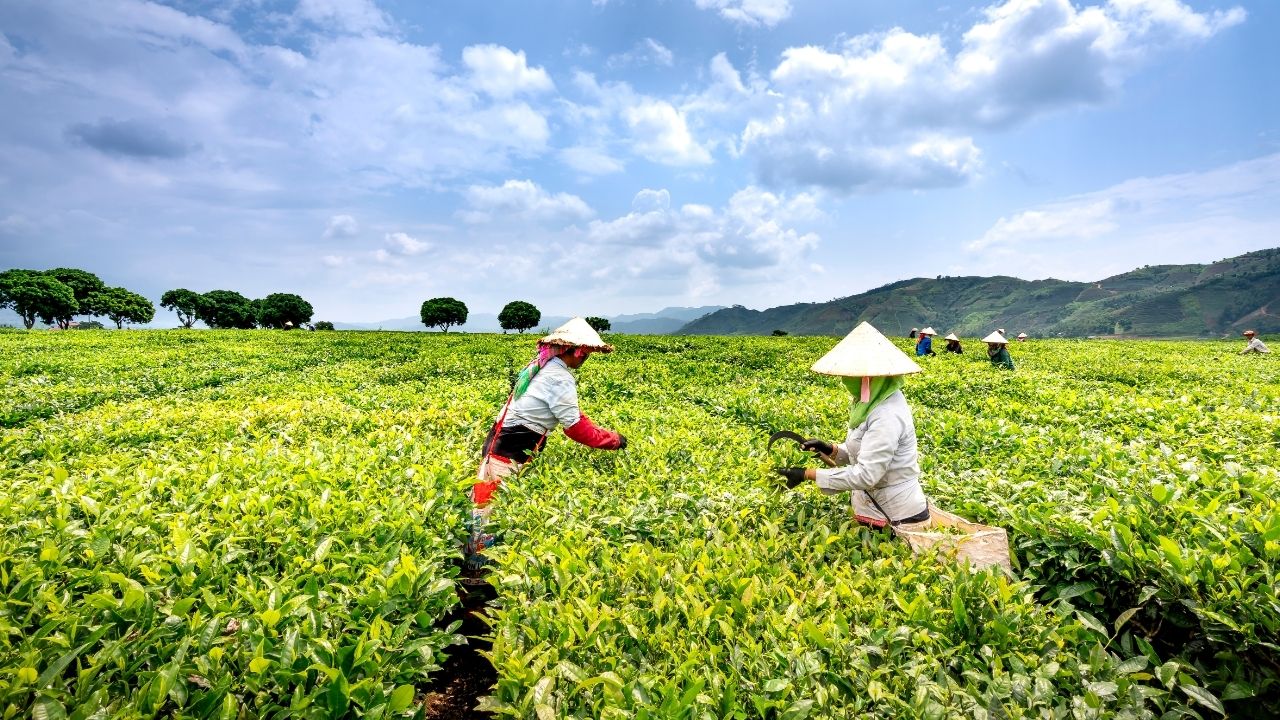
One of the clearest examples of terroir is that identical tea plants can produce noticeably different teas when grown in different environments.
Even if two producers use:
- The same tea variety
- Similar harvesting standards
- Similar processing methods
the final teas may still taste different because the growing environments are different.
This is why tea professionals pay close attention to where a tea is grown.
Terroir leaves a signature on every harvest.
How LUANGKAN Benefits from West Java’s Terroir
At LUANGKAN Tea, terroir is viewed as one of the foundations of quality.
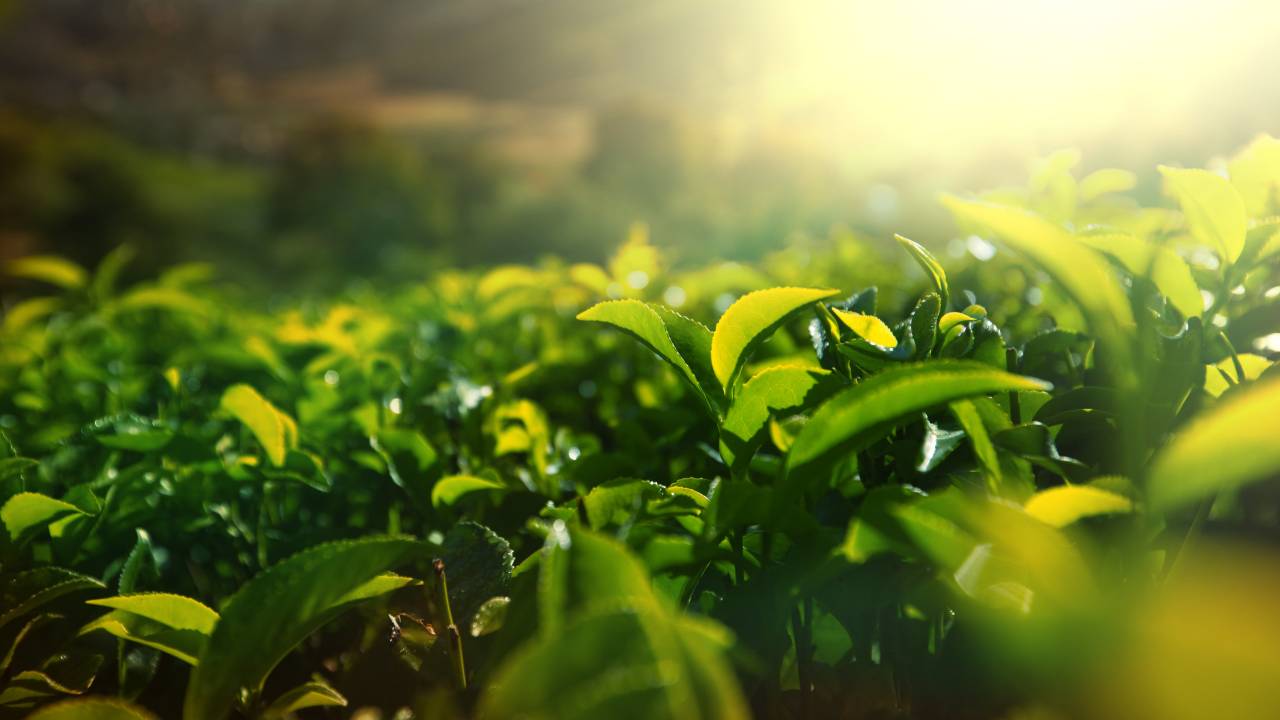
LUANGKAN’s tea estates are located across the volcanic highlands of West Java, a region known for its favorable tea-growing conditions.
The combination of:
- High elevations
- Cool mountain climates
- Consistent rainfall
- Fertile volcanic soils
helps create an environment well suited to premium tea cultivation.
While terroir alone does not guarantee exceptional tea, it provides the foundation upon which quality can be built through careful cultivation, harvesting, and processing.
Final Thoughts
Tea terroir is the reason why tea from different regions develops different personalities.
It is the combined influence of elevation, climate, soil, rainfall, and sunlight on the tea plant.
Long before a leaf is harvested or processed, terroir is already shaping its potential.
For anyone seeking to understand premium tea, understanding terroir is essential.
It is nature’s signature on every cup.