
Tea is often celebrated as one of the world’s most antioxidant-rich beverages. Whether you drink Green Tea, White Tea, Oolong Tea, or Black Tea, you have likely encountered claims about tea’s antioxidant content and potential health benefits.
But what exactly are tea antioxidants?
Why do Green Tea and Black Tea taste so different even though they come from the same plant?
And does Black Tea lose its antioxidants during oxidation?
The answers lie in a fascinating group of natural compounds known as polyphenols.
Understanding catechins, theaflavins, and thearubigins helps explain not only tea’s antioxidant properties, but also its flavor, color, aroma, and mouthfeel.
What Are Antioxidants?
Antioxidants are naturally occurring compounds that help protect cells from damage caused by unstable molecules known as free radicals.
Free radicals are produced naturally in the body and can also be generated through exposure to pollution, UV radiation, smoking, and other environmental stressors.
While antioxidants are found in many fruits, vegetables, herbs, and spices, tea is one of the richest natural sources of antioxidants consumed worldwide.
Most of tea’s antioxidant activity comes from a family of compounds known as polyphenols.
What Are Polyphenols?
Polyphenols are naturally occurring plant compounds known for their antioxidant properties.
In tea, polyphenols are among the most important compounds affecting:
- Antioxidant activity
- Flavor
- Bitterness
- Astringency
- Color
- Mouthfeel
In fact, most of the antioxidants found in tea belong to the polyphenol family.
The three most important polyphenol groups in tea are:
- Catechins
- Theaflavins
- Thearubigins
These compounds are closely related and evolve as tea leaves undergo oxidation during processing.
The Three Major Antioxidant Families in Tea
Although Green Tea, White Tea, Oolong Tea, and Black Tea all originate from the same Camellia sinensis plant, they contain different antioxidant profiles.
The primary reason is oxidation.
Catechins
Catechins are the dominant antioxidants found in minimally oxidized teas.
They are especially abundant in:
- Matcha
- Green Tea
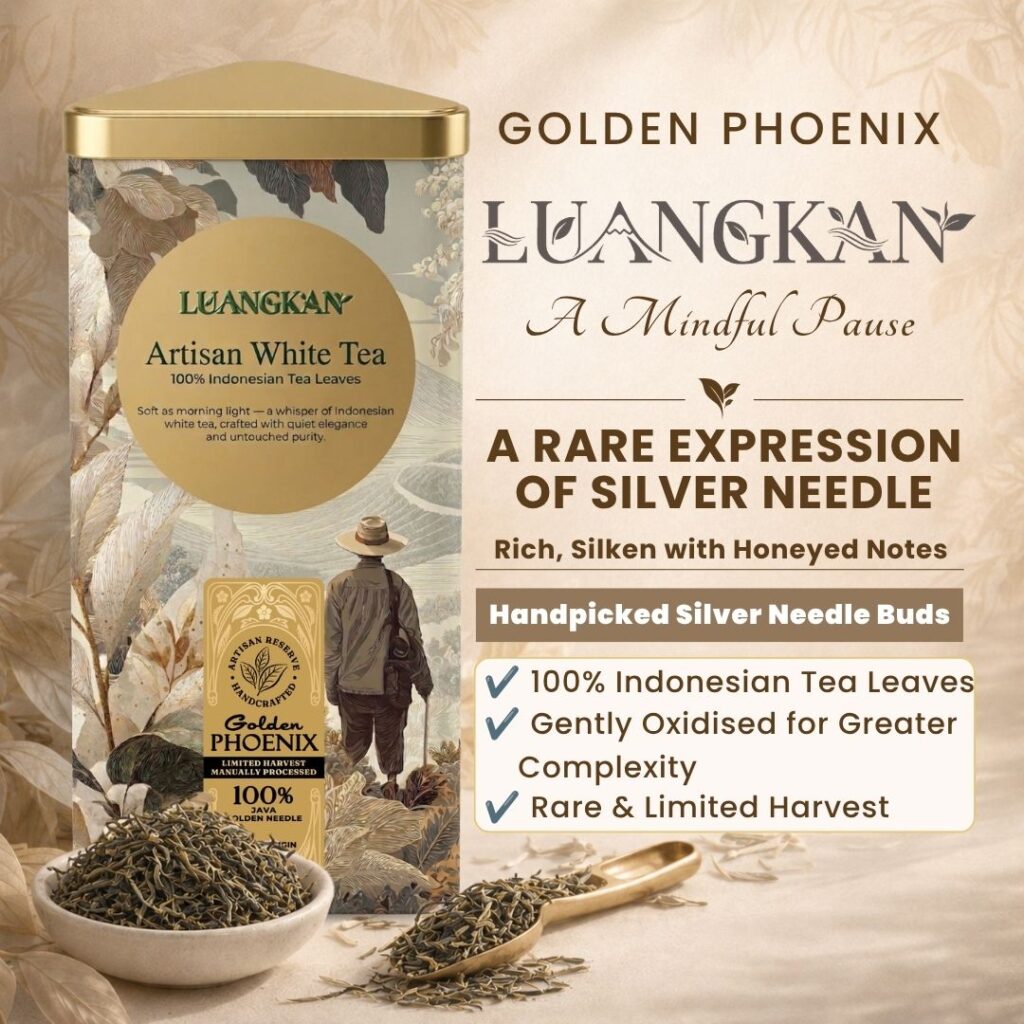
- White Tea
The most famous catechin is EGCG (Epigallocatechin Gallate), one of the most extensively studied tea compounds in nutritional science.
Catechins contribute:
- Freshness
- Brightness
- Bitterness
- Astringency
- Antioxidant activity
Because oxidation is intentionally minimized during processing, Green Tea retains much of its original catechin content. This is one reason why Green Tea often tastes fresher and more vibrant than Black Tea.
Theaflavins
As tea leaves oxidize, some catechins begin transforming into larger compounds called theaflavins.
Theaflavins are especially important in:
- Oolong Tea
- Black Tea
They contribute:
- Bright coppery liquor
- Briskness
- Structure
- Liveliness
- Complexity
Many premium Black Teas owe their bright golden-orange liquor and lively character to the presence of theaflavins.
Thearubigins
As oxidation continues, additional catechins and theaflavins transform into even larger compounds known as thearubigins.
Thearubigins are most abundant in:
- Black Tea
They contribute:
- Darker liquor color
- Fuller body
- Richer mouthfeel
- Smoothness
- Depth
Without thearubigins, Black Tea would lack much of its richness and satisfying body.
What Happens During Oxidation?
One of the biggest misconceptions in tea is that oxidation destroys antioxidants.
In reality, oxidation primarily transforms antioxidants from one form into another.
As tea leaves oxidize, catechins gradually transform into theaflavins and thearubigins.
This means Black Tea does not lose all of its antioxidants during processing.
Instead, it develops a different antioxidant profile.
This transformation is one of the key reasons Green Tea, Oolong Tea, and Black Tea have such different flavors, aromas, colors, and mouthfeels despite originating from the same plant.
Are Tannins and Catechins the Same Thing?
Not exactly.
The term “tannins” is commonly used in the tea world to describe compounds responsible for bitterness and astringency.
However, from a scientific perspective, tannin is a broad and somewhat imprecise term.
Catechins are a specific group of polyphenols and are among the primary compounds responsible for the tannic character of Green Tea.
During oxidation, many catechins transform into theaflavins and thearubigins, which continue contributing to the structure, flavor, and mouthfeel of the tea.
Today, tea scientists generally prefer discussing catechins, theaflavins, and thearubigins rather than relying solely on the broader term “tannins.”
Which Tea Has the Most Antioxidants?
There is no simple winner.
Different tea types contain different antioxidant profiles, and each style develops its own balance of polyphenols during processing.
Matcha and Green Tea
Typically highest in:
- Catechins
- EGCG
Because oxidation is intentionally minimized during processing, Green Tea retains much of its original catechin content.
As a result, Green Tea and Matcha often demonstrate the highest overall antioxidant activity in scientific measurements.
White Tea
Typically high in:
- Catechins
- Other unoxidized polyphenols
Because White Tea undergoes minimal processing, it also preserves significant amounts of its original antioxidant compounds.
Oolong Tea
Typically contains balanced levels of:
- Catechins
- Theaflavins
- Thearubigins
This balanced profile is one reason Oolong Tea is often appreciated for its complexity and depth.
Black Tea
Typically highest in:
- Theaflavins
- Thearubigins
Black Tea generally contains fewer catechins than Green Tea, but remains rich in antioxidant polyphenols.
Why Matcha Is Often Considered an Antioxidant Powerhouse
Matcha is frequently highlighted in discussions about tea antioxidants for a simple reason: the entire leaf is consumed.
With most teas, the leaves are steeped and then discarded. With Matcha, finely ground tea leaves are whisked directly into water and consumed whole.
As a result, drinkers consume significantly more catechins, chlorophyll, amino acids, and other tea compounds compared with conventional brewed teas.
Combined with its naturally high catechin content, this is one reason Matcha is often regarded as one of the most antioxidant-rich tea styles available.
Does Black Tea Have Fewer Antioxidants Than Green Tea?
Generally speaking, Green Tea often demonstrates higher overall antioxidant activity because catechins—particularly EGCG—are exceptionally powerful antioxidants.
However, this does not mean Black Tea lacks antioxidants.
During oxidation, many catechins are transformed into theaflavins and thearubigins. While some antioxidant activity is reduced during this process, a substantial amount remains in the finished tea.
A useful way to think about it is this:
- Green Tea contains more of the original antioxidants.
- Black Tea contains more transformed antioxidants.
Both remain valuable sources of antioxidant polyphenols.
Catechins vs Caffeine vs L-Theanine
These three groups of compounds are often discussed together, but they serve very different functions.
Catechins
Primarily responsible for:
- Antioxidant activity
- Bitterness
- Astringency
Caffeine
Primarily responsible for:
- Stimulation
- Alertness
- Bitterness
L-Theanine
Primarily responsible for:
- Umami
- Sweetness
- Smooth mouthfeel
- Calm focus
The balance between these compounds plays a major role in determining how a tea tastes and feels.
This is one reason premium teas are often perceived as smoother, more balanced, and more complex than lower-grade teas.
Which Tea Should You Choose?
There is no single “best” antioxidant tea.
The ideal choice depends on your preferences.
For Maximum Catechins
Consider:
- Matcha
- Green Tea
- White Tea
For Balanced Antioxidant Profiles
Consider:
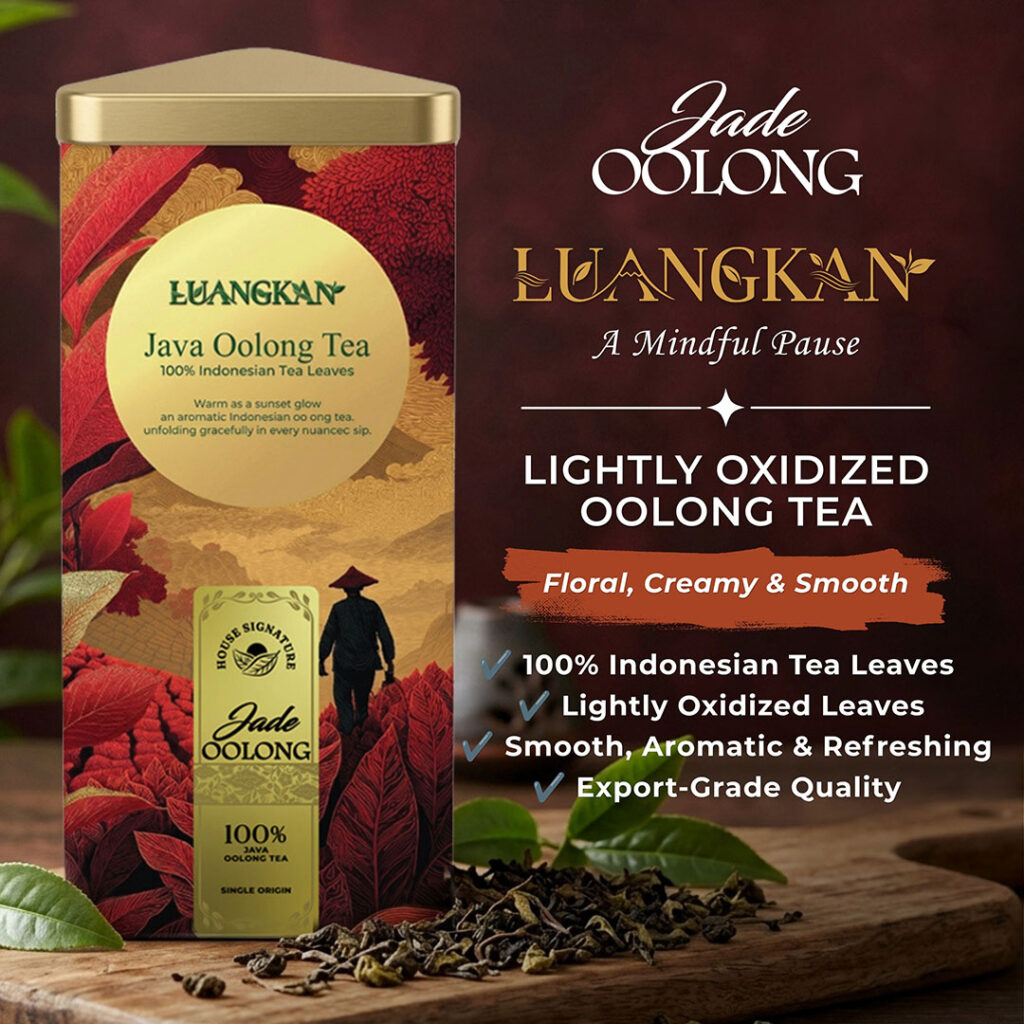
- Green Oolong
- Red Oolong
- Traditional Oolong Teas
For Rich Body and Depth
Consider:
- Orthodox Black Tea
- Premium Whole-Leaf Black Tea
Each style offers a unique combination of flavor, aroma, mouthfeel, and antioxidant compounds.
Final Thoughts
Green Tea, White Tea, Oolong Tea, and Black Tea all come from the same Camellia sinensis plant.
What changes is the chemistry inside the leaf.
As tea oxidizes, catechins gradually transform into theaflavins and thearubigins, creating new flavors, aromas, colors, and antioxidant profiles.
Green Tea tends to retain the highest levels of catechins and often demonstrates the highest overall antioxidant activity. Black Tea develops more theaflavins and thearubigins, creating greater richness, body, and depth.
Rather than asking which tea has the “most” antioxidants, a better question may be:
Which antioxidant profile best matches your taste and tea-drinking preferences?