
Choosing a tea supplier is one of the most important decisions an importer can make.
A good tea sample may create a strong first impression, but successful sourcing depends on far more than flavor alone. Many supply chain failures occur not because the tea is poor, but because quality changes between shipments, documentation is incomplete, production cannot scale, or logistics are poorly managed.
For this reason, professional buyers evaluate suppliers using a structured sourcing framework that focuses on risk reduction, consistency, and long-term reliability.
Before committing to a new sourcing partner, experienced importers typically ask the following seven questions.
- Can the Supplier Consistently Reproduce the Approved Sample?
A tea sample represents a moment. A supply partnership represents years.
One of the most common sourcing problems occurs when the commercial shipment no longer matches the approved sample. A tea brand may invest heavily in packaging, marketing, retail placement, and customer acquisition, only to discover that future orders taste noticeably different.
The consequences can be significant:
- Customer complaints
- Product reformulation costs
- Retailer disputes
- Damage to brand reputation
For this reason, consistency is often more important than finding the lowest price.
Professional buyers look for suppliers with strong quality control systems, standardized processing procedures, and proven batch-to-batch consistency.
- Can the Supplier Prove Where the Tea Comes From?
Supply chain transparency has become increasingly important across global food industries.
Importers today are expected to understand where products originate, how they are produced, and how they move through the supply chain.
Buyers increasingly seek answers to questions such as:
- Which estate or growing region produced the tea?
- Can the harvest season be identified?
- Is batch-level traceability available?
- Can origin claims be verified?
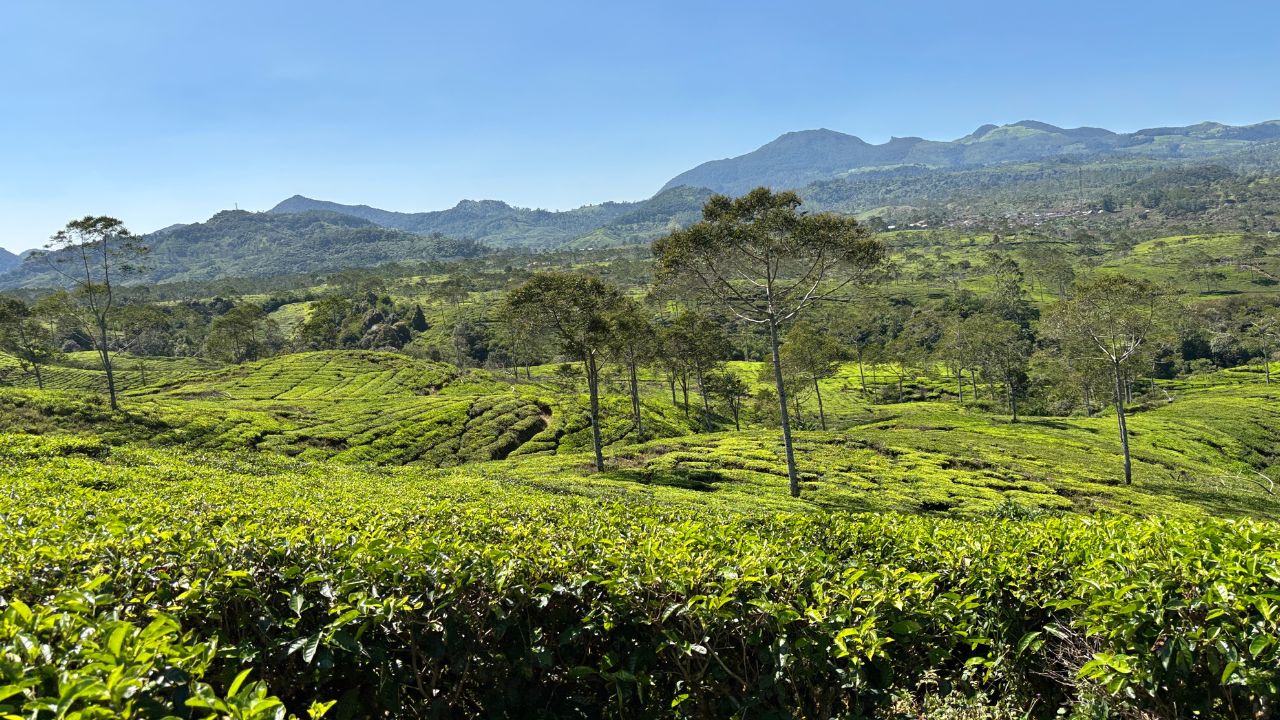
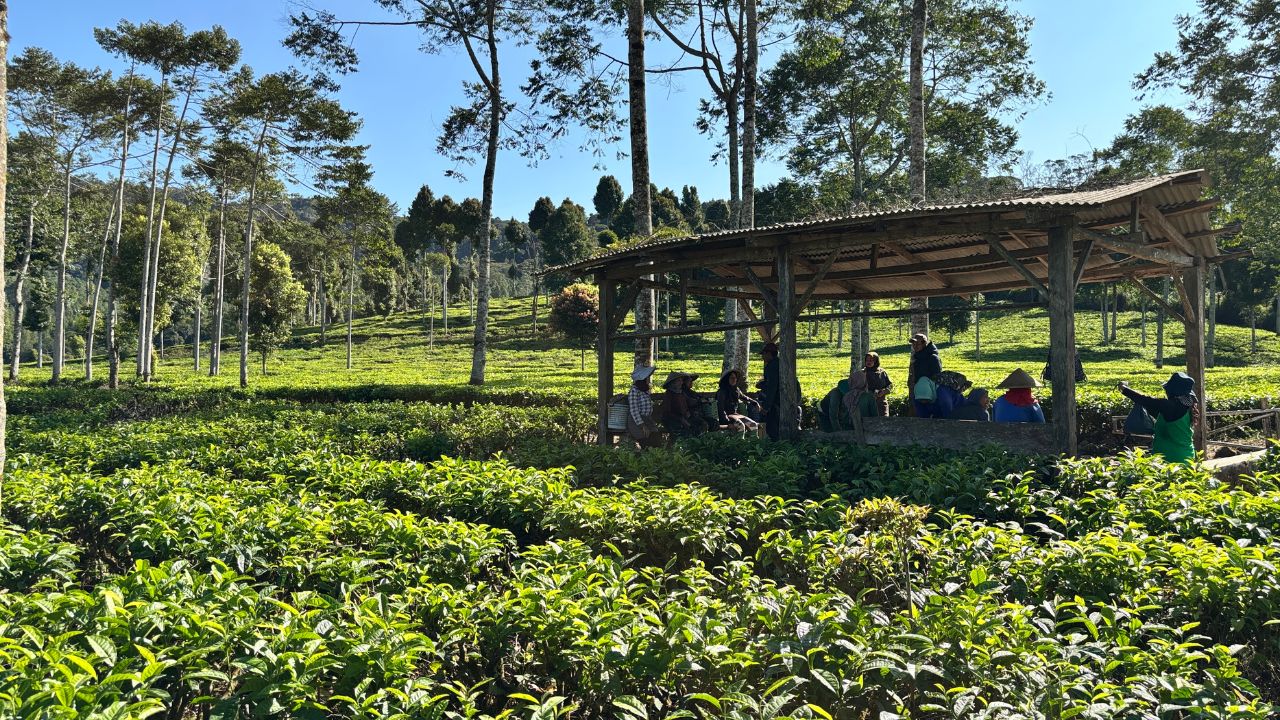
LUANGKAN owns and operates tea estates across West Java, including Ciwidey, Negara Kanaan, Megawati, and Ciliwung. Situated between approximately 1,000 and over 2,000 meters above sea level, these estates provide buyers with direct origin traceability, greater production visibility, and long-term supply continuity from cultivation through export
As global regulations continue to evolve, traceability is no longer simply a marketing advantage. It is increasingly becoming a procurement requirement.
- Can the Tea Meet International Food Safety Requirements?
A shipment that fails food safety testing can create substantial financial and reputational damage.
As a result, experienced buyers often evaluate compliance systems before evaluating price.
Importers commonly request:
- Certificate of Analysis (COA)
- Pesticide residue reports
- Heavy metal testing
- Microbiological testing
- Phytosanitary certification
Suppliers should be able to provide supporting documentation and laboratory verification before products leave the country of origin.
At LUANGKAN, tea is tested through trusted independent laboratories to help verify compliance with international market requirements before export.
Strong compliance systems reduce risk and simplify the import process for buyers.
- Can the Supplier Export Reliably?
A supplier may produce excellent tea but still create serious operational problems if export procedures are poorly managed.
Documentation errors can result in customs delays, container holds, unexpected costs, inventory shortages, or even shipment rejection.
Professional buyers therefore evaluate:
- Export experience
- Documentation accuracy
- Lead-time reliability
- Shipping coordination
- Customs readiness
Reliable exporters reduce operational risk and help buyers maintain inventory continuity throughout the year.
- Can the Supplier Support Different Product Specifications?
Modern tea businesses require far more than a standard product catalog.
A specialty loose-leaf brand has different requirements from a tea bag manufacturer. A hospitality group has different requirements from a private-label retailer. Industrial tea blenders often require specifications that differ significantly from premium specialty tea companies.
Buyers frequently need suppliers capable of adjusting:
- Leaf grades
- Particle size
- Oxidation levels
- Rolling styles
- Packaging formats
LUANGKAN operates dedicated tea processing facilities across West Java, allowing production to be tailored to specific customer requirements rather than forcing customers into fixed specifications.
This flexibility enables buyers to develop products that perform consistently within their intended applications.
- Can the Supplier Scale With Future Demand?
Many suppliers can fulfill a sample order.
Far fewer can support growth over multiple years.
Importers therefore evaluate whether a supplier can maintain quality while increasing production volumes.
Common procurement questions include:
- Is supply available year-round?
- What annual production volume is available?
- Can larger orders be accommodated?
- How quickly can repeat orders be fulfilled?
A strong sourcing partner should be capable of supporting both current requirements and future growth without sacrificing quality standards.
- How Close Is the Supplier to Production?
One of the most overlooked sourcing questions is also one of the most important.
How much visibility does the supplier have into the actual production process?
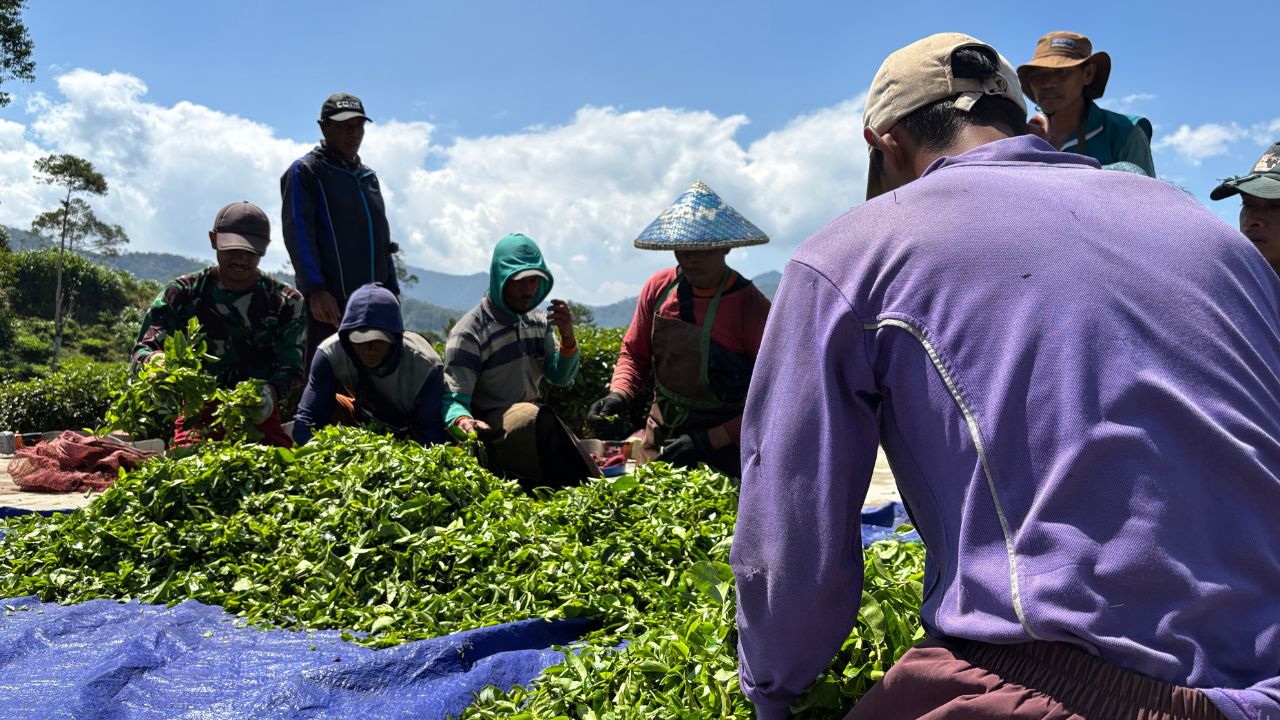
Suppliers that maintain direct relationships with estates, factories, and processing operations often provide greater transparency, stronger quality oversight, and faster problem resolution than companies operating purely as trading intermediaries.
For buyers, this often translates into:
- Better forecasting
- Faster communication
- Stronger traceability
- More reliable quality control
- Greater confidence in long-term supply stability
The closer a supplier is to production, the more visibility and control they typically have over quality outcomes.
What Procurement Teams Ultimately Want
After evaluating quality, compliance, logistics, and production capability, most buyers are looking for one thing:
Confidence.
Confidence that the tea will arrive as expected.
Confidence that documentation will be correct.
Confidence that future orders will match previous shipments.
Confidence that the supplier will still be a reliable partner years from now.
The strongest sourcing relationships are built on trust, transparency, consistency, and shared long-term objectives.
Conclusion
Successful tea sourcing depends on much more than finding a good sample.
Professional buyers evaluate suppliers through a broader framework that includes consistency, traceability, food safety compliance, export readiness, processing flexibility, production visibility, and supply reliability.
The cheapest supplier is not always the lowest-cost supplier. Quality failures, shipment delays, compliance issues, and inconsistent production often create costs that far exceed any initial price savings.
For importers seeking long-term growth, the best supplier is rarely the cheapest supplier. It is the supplier that consistently reduces risk, protects product quality, and supports business continuity year after year.