
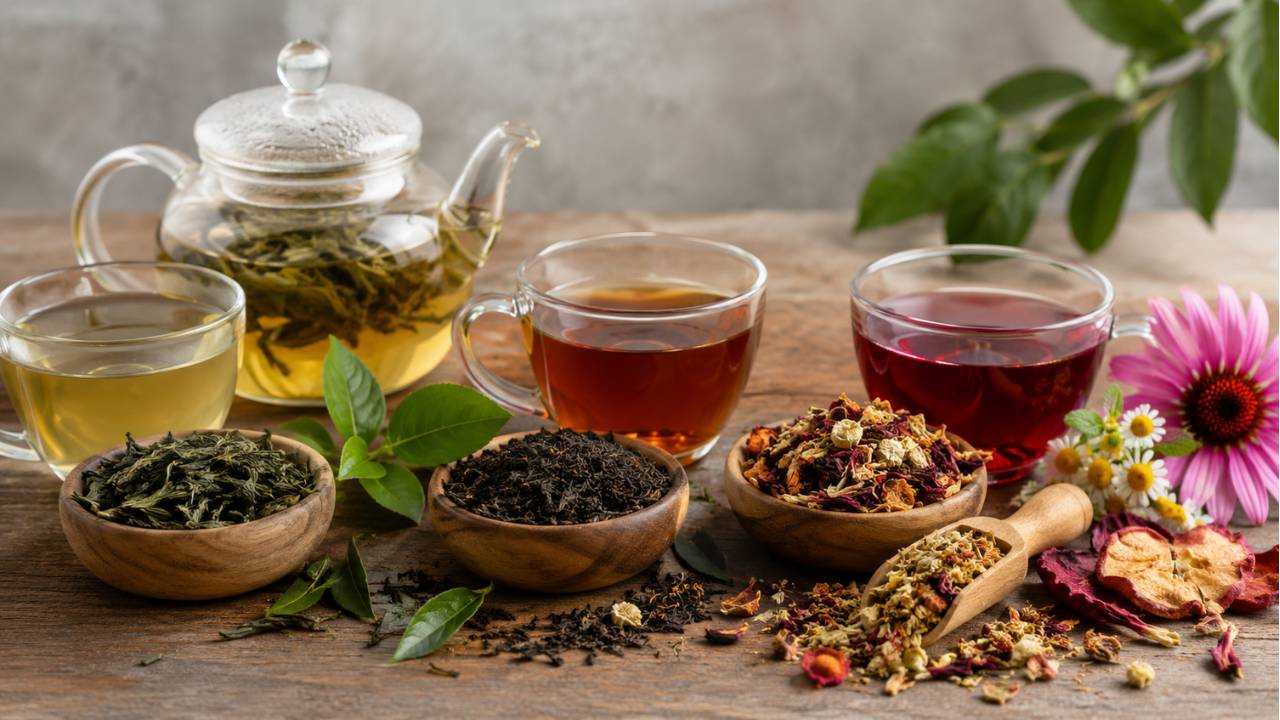
Many people use the word tea to describe any beverage made by steeping plants in hot water.
Chamomile tea, peppermint tea, ginger tea, butterfly pea tea, rosella tea, and chrysanthemum tea are all commonly referred to as teas. However, from a botanical and commercial perspective, most of these beverages are not actually tea.
The distinction comes down to one simple question:
Does it come from the Camellia sinensis plant?
If the answer is yes, it is tea.
If the answer is no, it is technically a tisane.
Understanding this distinction helps consumers make better purchasing decisions and better understand product labels, caffeine content, and tea terminology.
What Is Tea?
True tea is made exclusively from the leaves, buds, or stems of the Camellia sinensis plant.
Every major tea category comes from this single species, including:
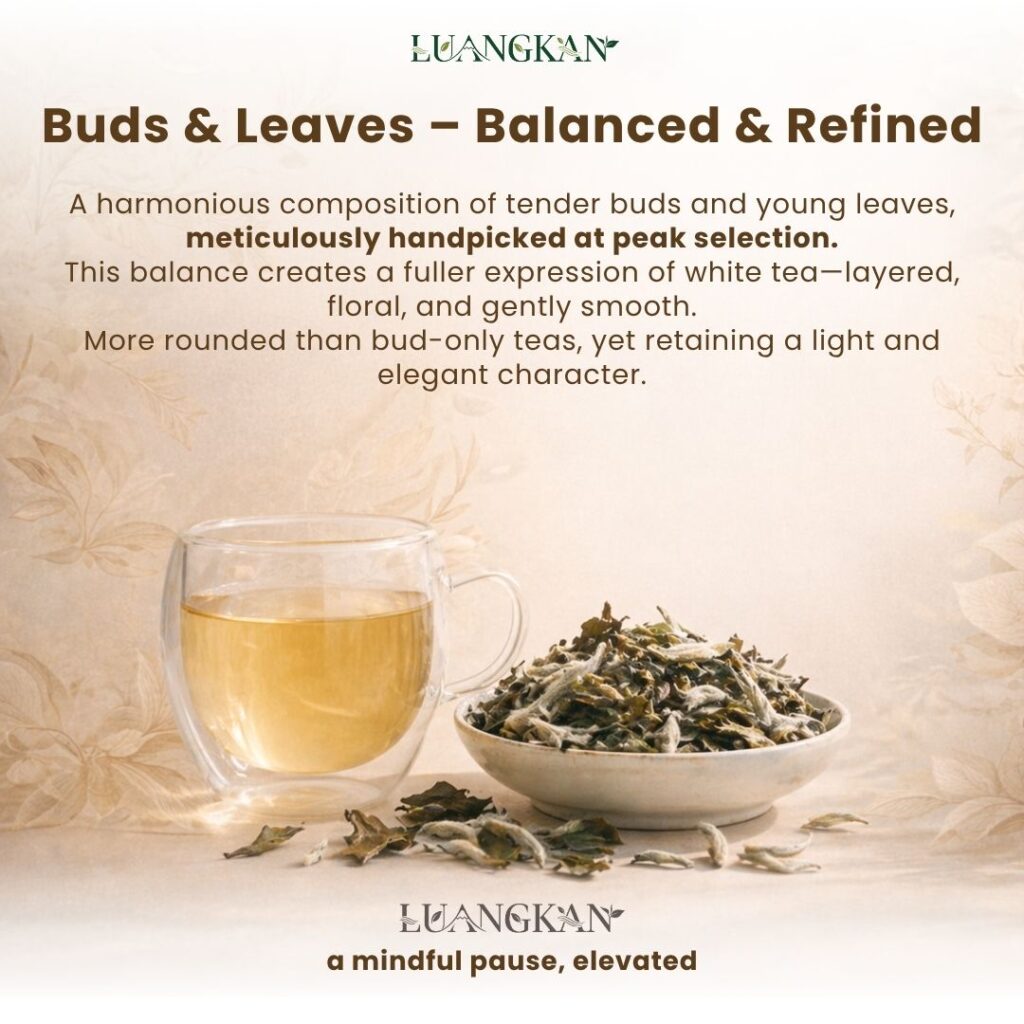
- White Tea
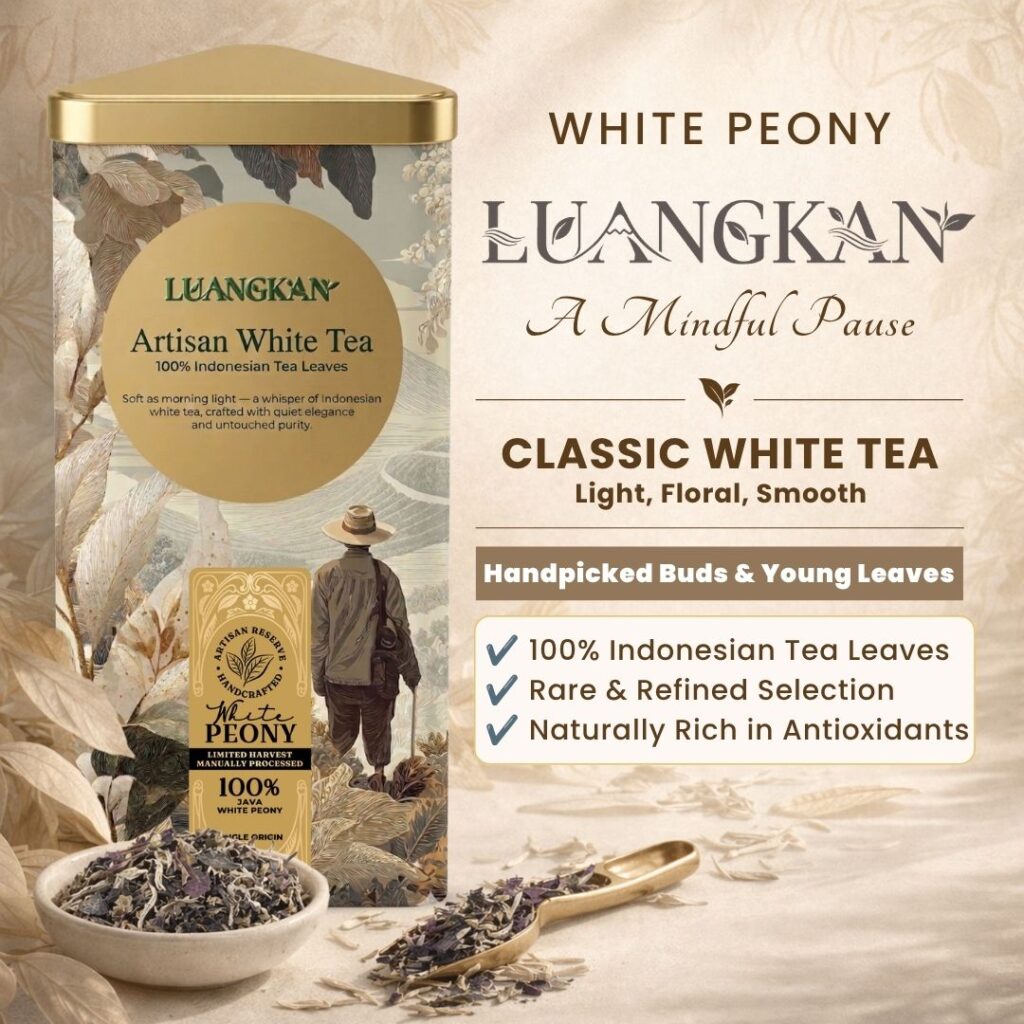
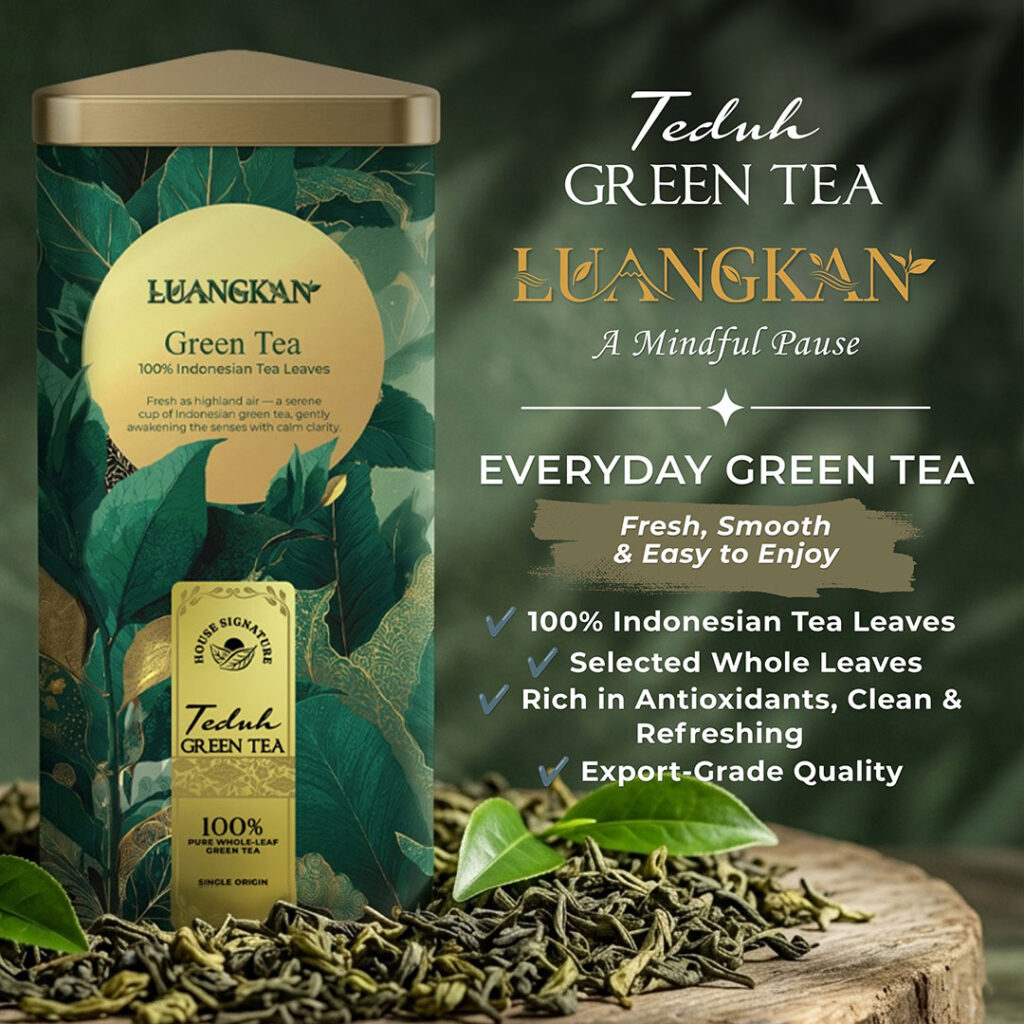
- Green Tea
- Oolong Tea
- Black Tea
- Yellow Tea
- Pu-erh Tea
Although these teas may look and taste completely different, they all originate from the same plant.
Their differences come from factors such as:
- Cultivar
- Terroir
- Harvest timing
- Oxidation
- Roasting
- Processing methods
A delicate Silver Needle, a floral Oolong, a rich Orthodox Black Tea, and a vibrant Matcha may seem unrelated, but they are all made from Camellia sinensis.
What Is a Tisane?
A tisane is an infusion made from any plant other than Camellia sinensis.
The word tisane originates from the Greek word ptisane and is widely used in the specialty beverage industry to describe herbal infusions.
Unlike tea, a tisane can be made from many different plant parts, including:
- Flowers
- Herbs
- Fruits
- Roots
- Rhizomes
- Bark
- Seeds
- Spices
Common examples include:
- Chamomile
- Peppermint
- Rosella (Hibiscus)
- Butterfly Pea
- Chrysanthemum
- Ginger
- Turmeric
- Lemongrass
These beverages are often sold alongside tea, but botanically they belong to a different category.
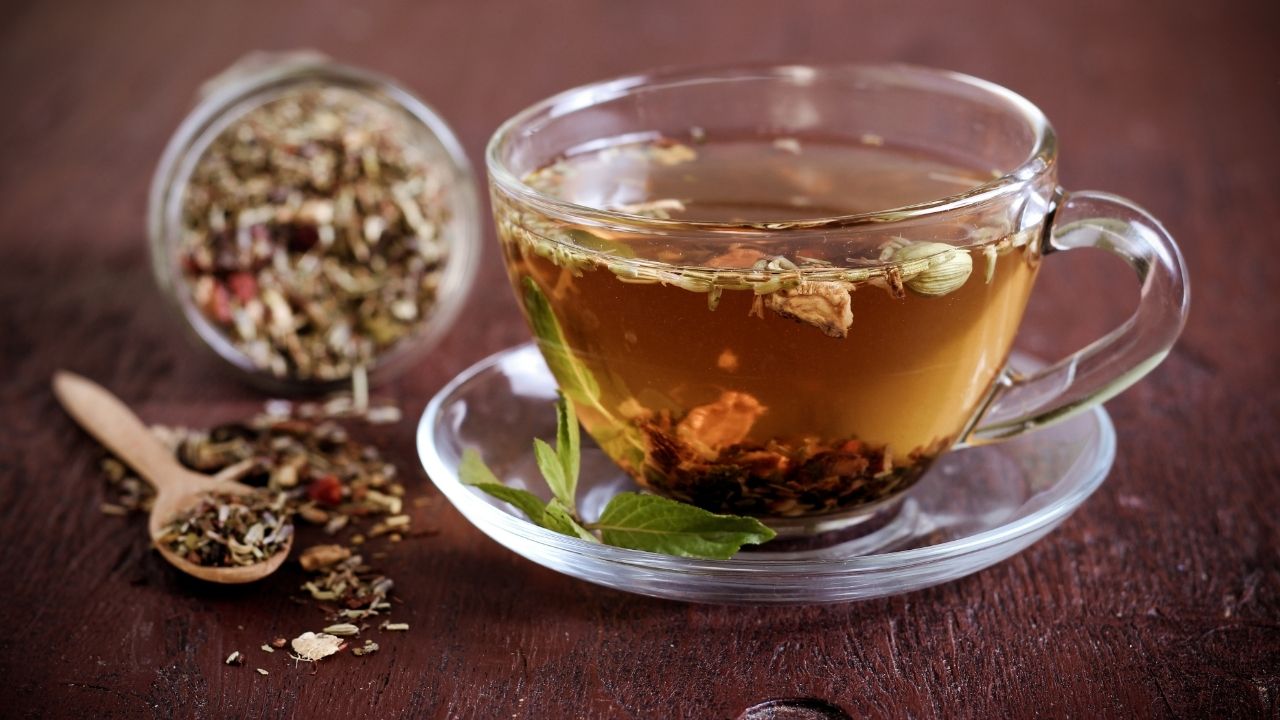
Why Are Tisanes Often Called Tea?
If chamomile is not technically tea, why does everyone call it chamomile tea?
The answer is largely cultural.
For centuries, people around the world have used the word tea to describe almost any beverage prepared by steeping plants in hot water.
As a result, names such as:
- Chamomile Tea
- Peppermint Tea
- Ginger Tea
- Hibiscus Tea
- Butterfly Pea Tea
became part of everyday language.
While tea professionals distinguish between tea and tisane, consumers often use the word tea as a general term for any hot herbal infusion.
The Chemical Difference
The distinction between tea and tisane goes beyond botany.
True tea contains a unique chemical profile that most tisanes cannot naturally replicate.
Caffeine
All true teas naturally contain caffeine because Camellia sinensis produces caffeine as part of its natural defense system.
This includes:
- White Tea
- Green Tea
- Oolong Tea
- Black Tea
- Matcha
Most tisanes are naturally caffeine-free because their source plants do not produce caffeine.
There are a few notable exceptions, including:
- Yerba Mate
- Guayusa
Although these beverages contain caffeine, they are still classified as tisanes because they do not come from the tea plant.
L-Theanine
True tea also contains L-theanine, a unique amino acid found almost exclusively in Camellia sinensis.
When combined with caffeine, L-theanine helps create the calm, focused energy that tea is known for. It is also partly responsible for the umami character found in premium green teas such as Matcha and Gyokuro.
Most tisanes do not contain L-theanine and rely instead on other plant compounds and essential oils for their flavor and functional properties.
What About Tea Blends?
Modern tea products often combine tea leaves with flowers, herbs, fruits, or spices.
Examples include:
- Jasmine Green Tea
- Jasmine Black Tea
- Jasmine Roasted Green Tea
- Earl Grey
- Green Tea with Lemongrass
- Black Tea with Ginger
These products are generally known as:
- Tea Blends
- Flavored Teas
- Scented Teas
Because they still contain tea leaves, they remain classified as tea products.
A common misconception is that Jasmine Tea is a tisane because it contains flowers.
In reality, traditional Jasmine Tea remains a true tea because the base ingredient is Green Tea or Black Tea. Jasmine flowers are used primarily for scenting and aroma, while tea remains the dominant ingredient.
The 51% Rule
In commercial tea blending, many producers follow a practical industry convention:
Tea should remain the dominant ingredient by dry weight.
As a general guideline, tea leaves typically represent at least 51% of the blend and often account for 70% to 95% of the total formulation.
The remaining ingredients are added to contribute flavor, aroma, appearance, or functionality.
Examples include:
- Jasmine Green Tea
- Earl Grey
- Green Tea with Lemongrass
- Black Tea with Ginger
Because tea remains the primary ingredient, tea drives the product identity.
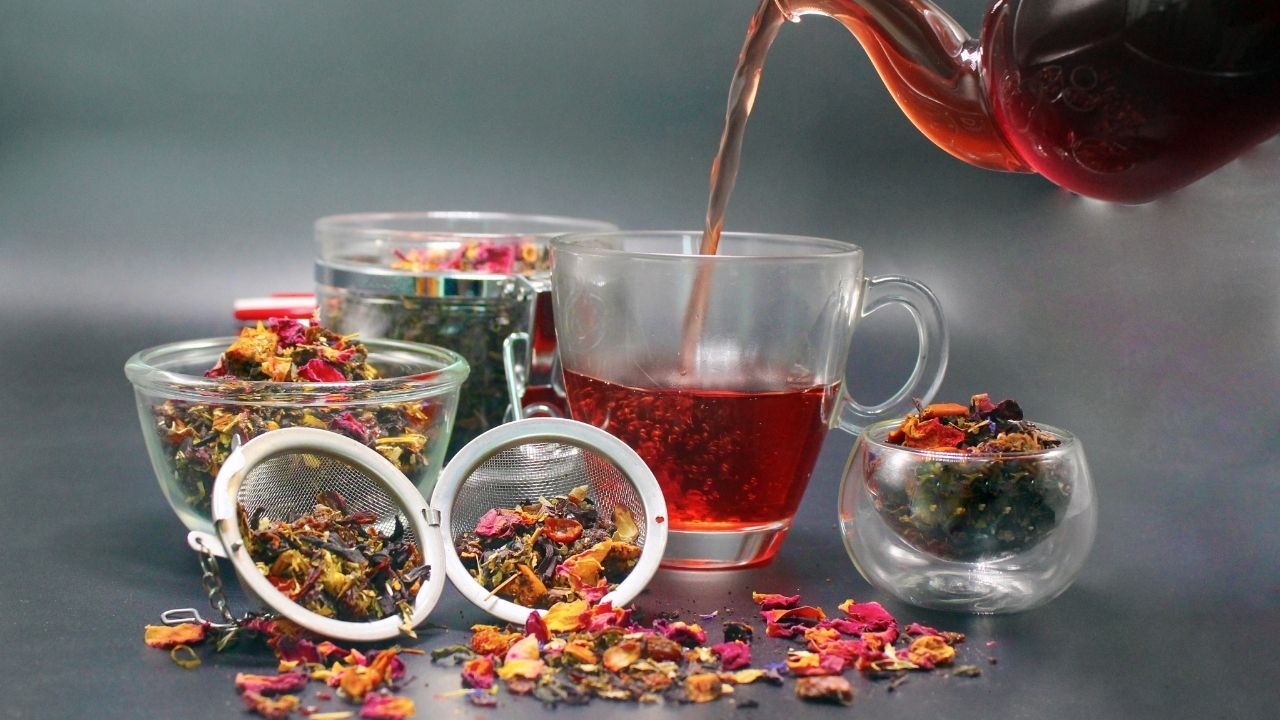
The 1% Rule: When a Tisane Stops Being a Tisane
Consider the following example:
- 99% Chamomile
- 1% Green Tea
Many consumers would assume this is still a chamomile tisane.
However, once tea leaves are introduced, the blend generally moves into the tea-blend category rather than remaining a pure tisane.
Why?
Because even a small amount of tea introduces tea-specific compounds such as:
- Caffeine
- L-Theanine
- Tea Polyphenols
- Tea Antioxidants
In practical terms:
A true tisane contains 0% tea.
Once tea leaves are present, the product is no longer a pure herbal infusion.
Summary of the Thresholds
To simplify classification, many tea professionals use the following framework:
51% to 100% Tea
Classified as:
- Tea
- Tea Blend
- Flavored Tea
- Scented Tea
Tea remains the dominant ingredient and drives the product identity.
1% to 50% Tea
Classified as:
- Herbal Infusion with Tea
- Fruit Infusion with Tea
- Botanical Blend with Tea
Botanicals become the dominant ingredients, but tea is still present and contributes caffeine, L-theanine, and tea polyphenols.
0% Tea
Classified as:
- Tisane
- Herbal Infusion
- Herbal Tea
These products contain no tea leaves whatsoever.
Examples include:
- Pure Chamomile
- Pure Peppermint
- Pure Rosella
- Pure Butterfly Pea
- Pure Chrysanthemum
A Simple Rule to Remember
- 51–100% tea = Tea drives the name
- 1–50% tea = Botanicals drive the name, but tea is still present
- 0% tea = Pure tisane
Understanding these thresholds makes it easier to distinguish between tea, tea blends, and herbal infusions when reading labels or purchasing specialty beverages.
The Indonesian Perspective
Indonesia occupies a unique position in both the tea and tisane worlds.
The country is one of the world’s major producers of premium tea, particularly black tea, green tea, white tea, and oolong tea from regions such as West Java and Sumatra.
At the same time, Indonesia has a rich tradition of botanical beverages through jamu, which commonly uses ingredients such as ginger, turmeric, lemongrass, temulawak, and rosella.
Today, many modern Indonesian tea producers combine premium tea leaves with local botanicals to create tea blends that bridge traditional herbal culture and modern tea craftsmanship.
Final Thoughts
The difference between tea and tisane is simple but important.
Tea comes from one plant: Camellia sinensis.
Everything else is a tisane.
Chamomile, peppermint, rosella, butterfly pea, ginger, turmeric, and chrysanthemum may all be delicious infusions, but they are not technically tea.
Understanding this distinction helps consumers make informed choices, understand caffeine content, interpret product labels correctly, and better appreciate the diversity of both true tea and botanical infusions.
Whether you enjoy a premium Oolong tea or a soothing chamomile tisane, both have earned their place in the world of great beverages.