
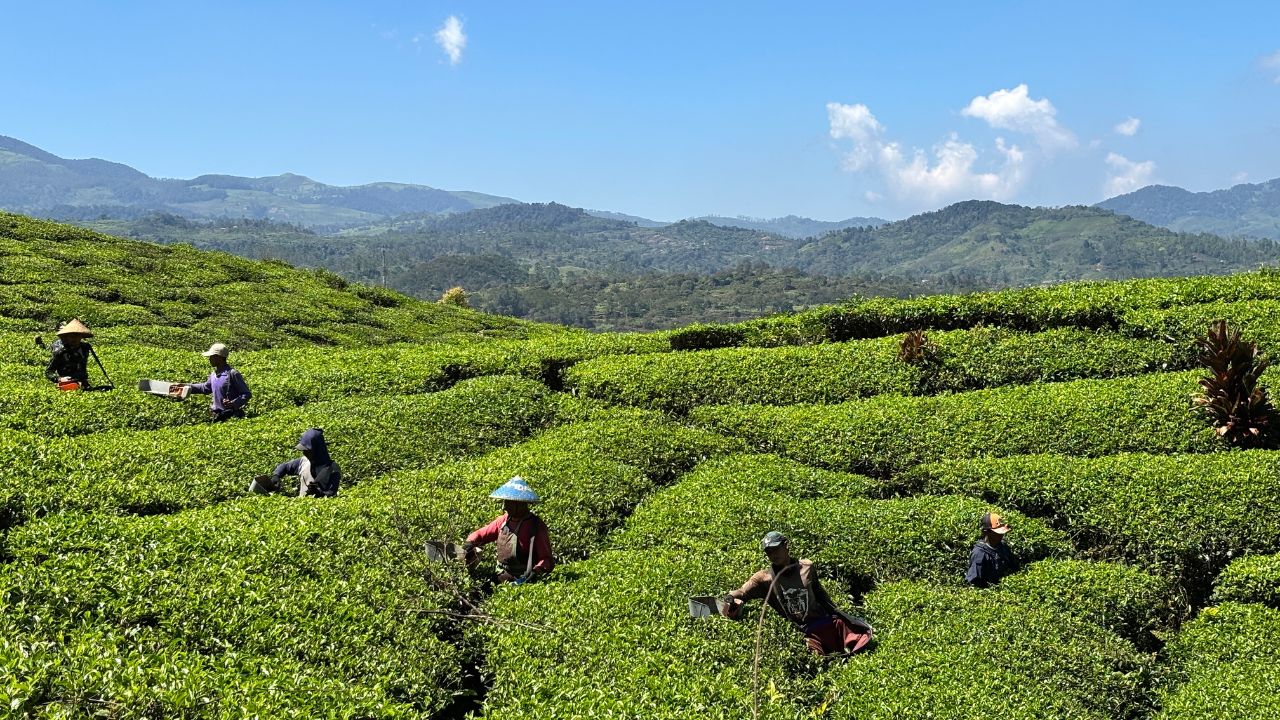
Indonesia is one of the world’s most important tea-producing countries, but Indonesian tea is not defined by a single location.
Like wine, coffee, and many other agricultural products, tea is heavily influenced by where it is grown. Elevation, rainfall, soil composition, temperature, and local expertise all contribute to the character of the final tea.
This is why understanding Indonesia’s major tea-growing regions is essential to understanding Indonesian tea itself.
Today, the majority of Indonesia’s tea production comes from the highland regions of Java and Sumatra, where favorable growing conditions have supported tea cultivation for generations.
Why Indonesia Is Well Suited for Tea Cultivation
Tea plants thrive under specific environmental conditions.
Indonesia possesses many of these naturally:
- High-altitude mountain environments
- Fertile volcanic soils
- Consistent tropical rainfall
- Mild temperatures
- Long growing seasons
These conditions allow tea plants to develop slowly and consistently, contributing to flavor, aroma, and overall tea quality.
As a result, Indonesia has become one of Asia’s most established tea-producing origins.
West Java: The Heart of Indonesian Tea
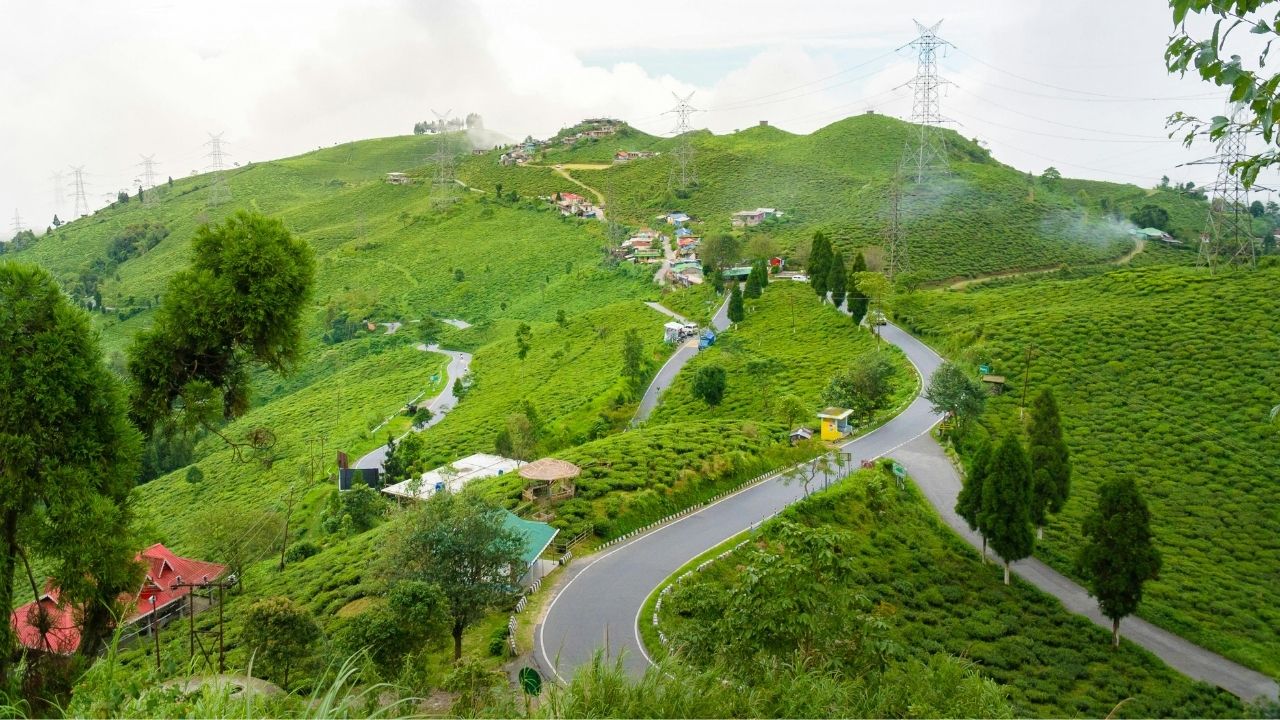
When discussing Indonesian tea, no region is more important than West Java.
West Java is not only Indonesia’s largest tea-producing region—it is the foundation of the country’s tea industry. For more than a century, the province has been the center of Indonesian tea cultivation and remains the most significant tea-growing area in the country.
The region’s leadership is no coincidence.
West Java benefits from a unique combination of natural advantages:
- High-altitude mountain terrain
- Fertile volcanic soils
- Abundant rainfall
- Cool temperatures throughout the year
- Generations of tea-growing expertise
Together, these conditions create an environment capable of producing teas with excellent quality, consistency, and character.
Many of Indonesia’s most historic tea-growing regions are located in West Java, including:
- Ciwidey
- Pangalengan
- Garut
- Sukabumi
- Cianjur
These regions have played a central role in shaping the identity and reputation of Indonesian tea.
Among them, Ciwidey occupies a particularly important place in Indonesia’s tea history. Since the nineteenth century, tea estates in the region have contributed to the growth and development of Indonesia’s tea industry.
For this reason, LUANGKAN Tea proudly owns and operates tea estates across West Java, including a historic tea estate in Ciwidey whose roots trace back to the Kerkhoven era of tea cultivation. By maintaining a direct connection to the region that has historically defined Indonesian tea production, LUANGKAN continues a tradition of tea growing that spans generations.
Central Java: A Region of Heritage and Quality
Central Java is another important tea-producing region with a long agricultural history.
Tea estates located on the slopes of volcanic mountains benefit from fertile soils, moderate temperatures, and favorable growing conditions.
Although production volumes are generally smaller than those of West Java, Central Java continues to contribute significantly to Indonesia’s tea heritage and remains an important source of quality tea.
The region demonstrates how tea cultivation has become deeply integrated into Indonesia’s agricultural landscape.
North Sumatra: Expanding Beyond Java
While Java is often associated with Indonesian tea, North Sumatra also plays a significant role in the industry.
Tea cultivation in North Sumatra developed through large plantation systems established during the colonial era.
The region’s highland environment provides suitable conditions for tea production, supporting both domestic consumption and export markets.
North Sumatra illustrates the geographic diversity of Indonesian tea and highlights the industry’s ability to thrive beyond Java.
How Growing Regions Influence Tea Character
Tea origin influences far more than geography.
Growing conditions can affect:
- Aroma
- Flavor
- Body
- Texture
- Overall character
Even within the same tea category, differences in altitude, climate, and soil can create noticeable variations.
This relationship between environment and tea character is often referred to as terroir.
Understanding terroir helps explain why teas from different Indonesian regions can express unique characteristics while still reflecting their shared Indonesian origin.
Why Tea Origin Matters in Premium Tea
In today’s premium tea market, origin matters more than ever.
Consumers increasingly want to know where their tea comes from. Buyers seek traceability, authenticity, and consistency. Hospitality businesses look for products with a genuine story and connection to place.
Indonesia’s diverse tea-growing regions provide exactly that.
Each region contributes its own strengths while collectively supporting Indonesia’s reputation as a respected tea-producing nation.
This diversity remains one of the country’s greatest advantages in the global tea industry.
The Future of Indonesia’s Tea Regions
As global interest in origin-driven products continues to grow, Indonesia’s tea-growing regions are receiving greater attention from tea buyers and tea enthusiasts around the world.
The combination of favorable growing conditions, historic tea estates, and generations of expertise provides a strong foundation for the future of Indonesian tea.
From the volcanic highlands of West Java to the tea plantations of North Sumatra, each region contributes to the story of Indonesian tea and helps define its place in the global tea market.
About LUANGKAN Tea
LUANGKAN Tea is built on Indonesia’s rich tea heritage and a simple belief: great tea begins at origin.
With tea estates and production facilities across Indonesia, including historic tea estates in West Java, LUANGKAN delivers premium Indonesian tea with uncompromising standards of quality, consistency, and authenticity.
By combining generations of tea-growing expertise with modern quality standards, LUANGKAN proudly brings the finest of Indonesian tea to customers and partners around the world.