
When an importer approves a tea sample, they are not simply buying a product.
They are placing trust in an entire supply chain.
The real challenge begins after the sample is approved. Can the supplier deliver the same quality six months later? Can they maintain consistency as volumes increase? Can they provide the documentation, traceability, and compliance required for international trade?
For professional buyers, the journey from estate to export is ultimately a process of quality preservation. Every stage must work together to ensure that the tea arriving at its destination matches the tea originally evaluated and approved.
It Starts With Consistent Harvesting
Every export shipment begins in the field.
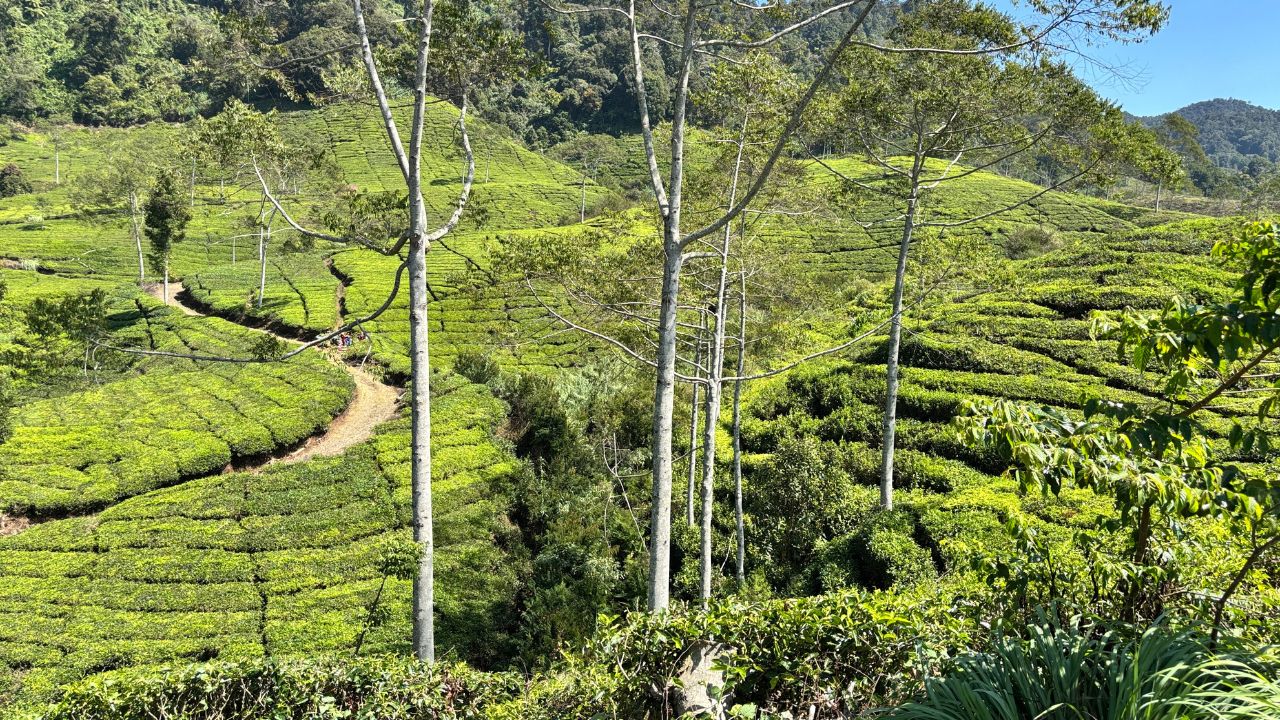
Across West Java, tea is grown in high-altitude regions such as Ciwidey, Negara Kanaan, Megawati, and Ciliwung. Located between approximately 1,000 and over 2,000 meters above sea level, these areas benefit from cool temperatures, volcanic soils, and favorable growing conditions that support premium tea production.
However, geography alone does not guarantee quality.
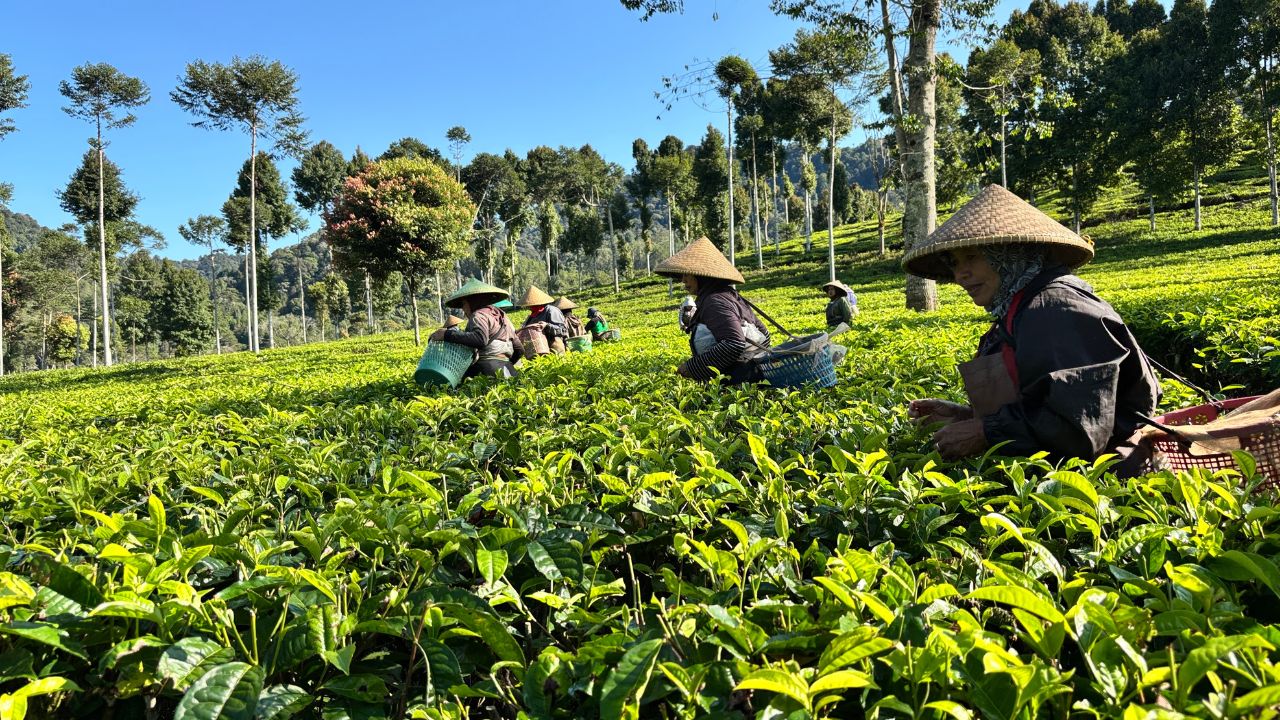
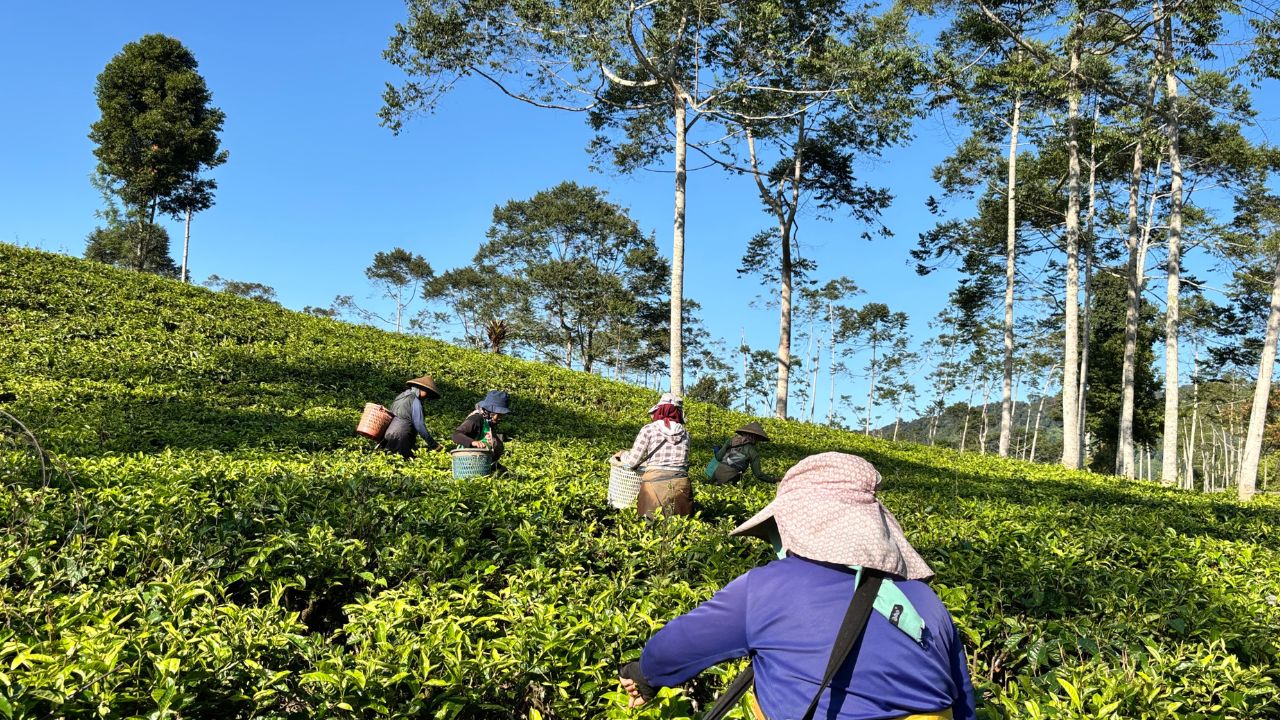
Consistent harvesting standards are equally important. Variations in leaf maturity, plucking standards, or handling procedures can affect flavor, aroma, and overall cup performance long before the leaves reach the factory.
For buyers, consistency starts at origin.
Factory Processing Creates Repeatable Results
Once harvested, fresh leaves must be processed quickly and carefully.
Whether producing black tea, green tea, white tea, or oolong tea, the objective is not simply to manufacture tea. The objective is to create repeatable results.
Professional buyers rarely judge suppliers based on a single outstanding batch. They evaluate whether the supplier can reproduce the same profile across multiple shipments and harvest cycles.
Achieving this level of consistency requires controlled processing conditions, standardized operating procedures, trained personnel, and disciplined production management.
A premium tea supplier is defined not by occasional excellence, but by repeatable performance.
Quality Control Protects the Approved Sample
One of the biggest risks in tea sourcing is inconsistency between sample approval and commercial production.
A tea may perform exceptionally during evaluation but arrive months later with noticeable differences in appearance, flavor, aroma, or brewing characteristics.
This is why quality control is one of the most important stages in the supply chain.
Before entering export inventory, tea is typically evaluated for:
- Appearance
- Aroma
- Liquor color
- Flavor profile
- Moisture content
- Physical cleanliness
Many export-oriented suppliers also conduct laboratory testing to verify compliance with food safety requirements and destination-market regulations.
At LUANGKAN, quality-control procedures help ensure that commercial production remains aligned with customer specifications before shipment.
For buyers, quality control is not simply about maintaining standards. It is about reducing risk.
Traceability Provides Transparency
Modern procurement increasingly demands visibility.
Importers want to know where products originate, how they were processed, and whether those claims can be verified.
Strong traceability systems connect every shipment back to its production history, helping buyers verify origin, support compliance requirements, and strengthen consumer trust.
Traceability also improves accountability throughout the supply chain.
As global sourcing standards continue to evolve, transparency is rapidly becoming a business requirement rather than a competitive advantage.
Grading Matches Tea to Market Requirements
Not every customer requires the same tea specification.
A premium loose-leaf brand may require large, visually attractive leaves. A tea bag manufacturer may prioritize extraction efficiency. A hospitality group may focus on consistency across thousands of servings.
After processing, tea is graded according to particle size, appearance, and intended application.
The purpose of grading is not simply classification. It is ensuring that each buyer receives a product optimized for its intended use.
LUANGKAN’s processing capabilities allow tea to be matched to specific customer requirements, helping buyers maintain product consistency across different markets and formats.
Export Readiness Is Part of Product Quality
Many suppliers focus heavily on production but underestimate the importance of export execution.
From a buyer’s perspective, tea quality and export readiness are equally important.
Even an excellent tea can become a problem if documentation is inaccurate, compliance requirements are overlooked, or shipments are delayed.
Before export, suppliers must coordinate:
- Commercial documentation
- Traceability records
- Regulatory requirements
- Packaging verification
- Logistics planning
Reliable export execution protects inventory planning, reduces customs risk, and helps buyers maintain uninterrupted supply.
Delivering Confidence, Not Just Tea
The final goal of every professional tea exporter is remarkably simple:
Deliver the same tea that the buyer approved.
Achieving that objective requires much more than growing quality leaves. It requires consistency in harvesting, discipline in processing, rigorous quality control, reliable traceability, accurate documentation, and dependable logistics.
The strongest tea suppliers understand that importers are not simply purchasing tea. They are purchasing confidence.
Confidence that the tea will match expectations.
Confidence that documentation will be correct.
Confidence that future shipments will remain consistent.
Confidence that the supplier will still be reliable years from now.
Conclusion
The journey from estate to export is ultimately a process of preserving trust.
Every stage of the supply chain—from harvesting and processing to testing, grading, traceability, and logistics—exists to protect the quality originally approved by the buyer.
For international importers, the most valuable suppliers are not simply tea producers. They are partners capable of delivering consistency, transparency, compliance, and reliability from estate to export, shipment after shipment.