
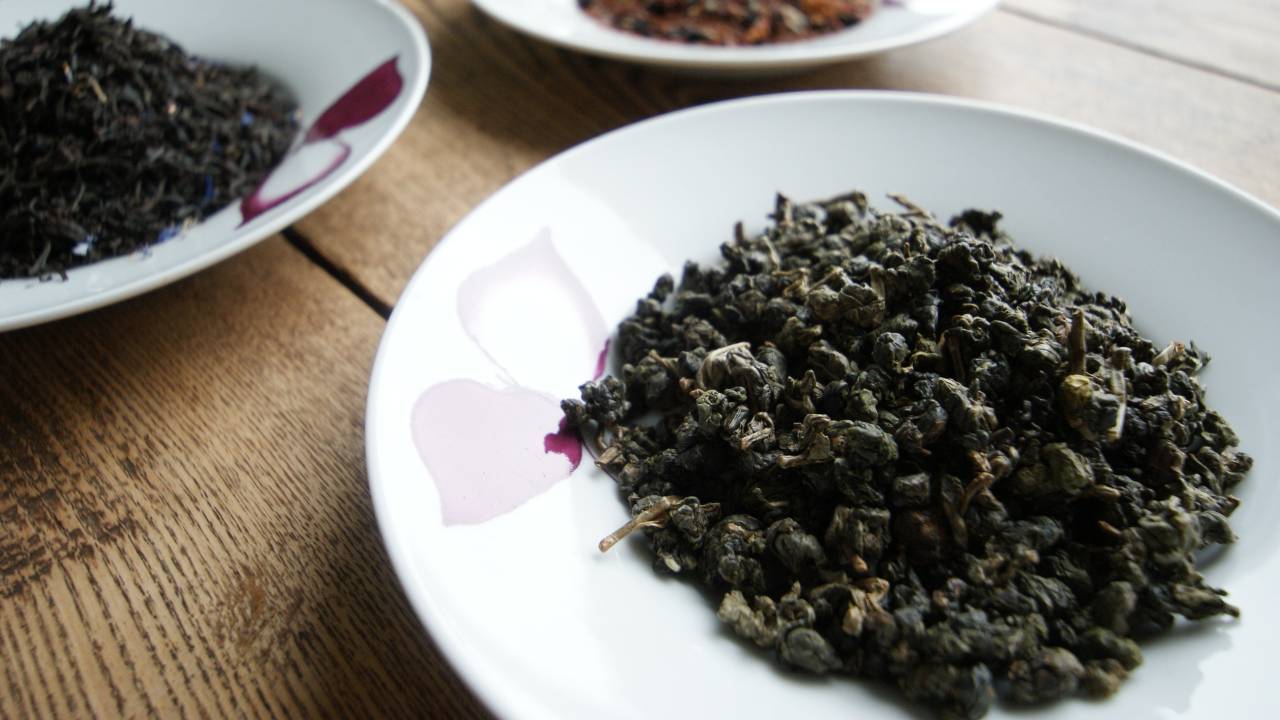
One of the biggest misconceptions in tea is that quality can be judged at a glance.
Many people assume that a tea is premium simply because it has large leaves, an attractive appearance, or a high price tag.
In reality, identifying high-quality loose leaf tea requires a more complete understanding of how tea is grown, harvested, processed, and evaluated.
Tea professionals rarely rely on a single characteristic when assessing quality.
Instead, they look for a combination of indicators that work together to create an exceptional drinking experience.
Start with the Leaf — But Don’t Stop There
The dry leaf provides important clues about quality, but it never tells the entire story.
Different tea categories naturally have different appearances.
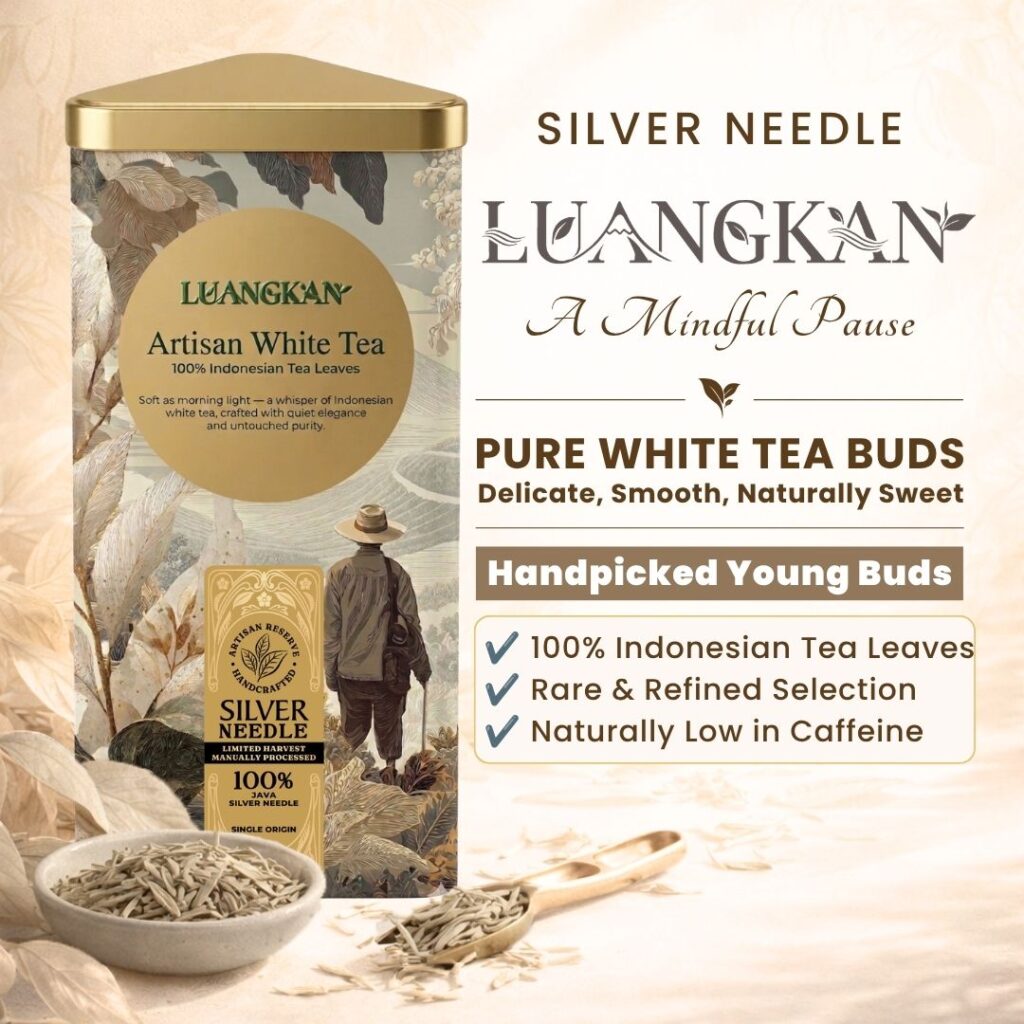
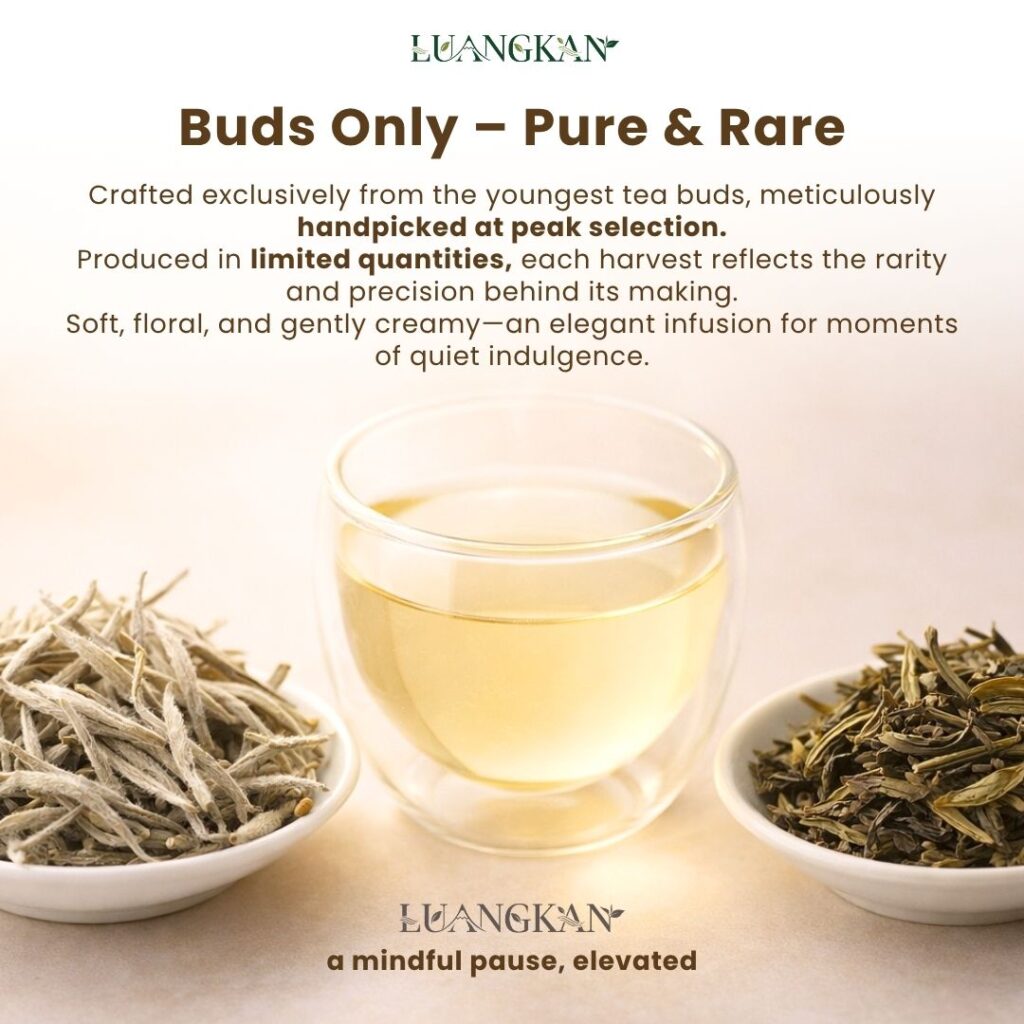
A Silver Needle white tea, a Chun Mee green tea, a BOP black tea, and a roasted Hojicha should not be judged by the same visual standard.
Instead, evaluate whether the leaf appears appropriate for its intended style.
Look for:
- Consistency of appearance
- Good leaf preparation
- Minimal unwanted materials
- Careful sorting and processing
- A clean overall presentation
Well-produced tea often reflects attention to detail before it ever reaches the cup.
Aroma Reveals a Great Deal
Experienced tea buyers often learn more from aroma than from appearance.
Before brewing, smell the dry leaf.
After brewing, smell the infused leaf as well.
High-quality tea typically displays aromas that feel:
- Clean
- Expressive
- Distinctive
- Appropriate to its category
Aroma should communicate freshness and character rather than simply intensity.
Strong aroma alone does not necessarily indicate quality.
Clarity is often more important than strength.
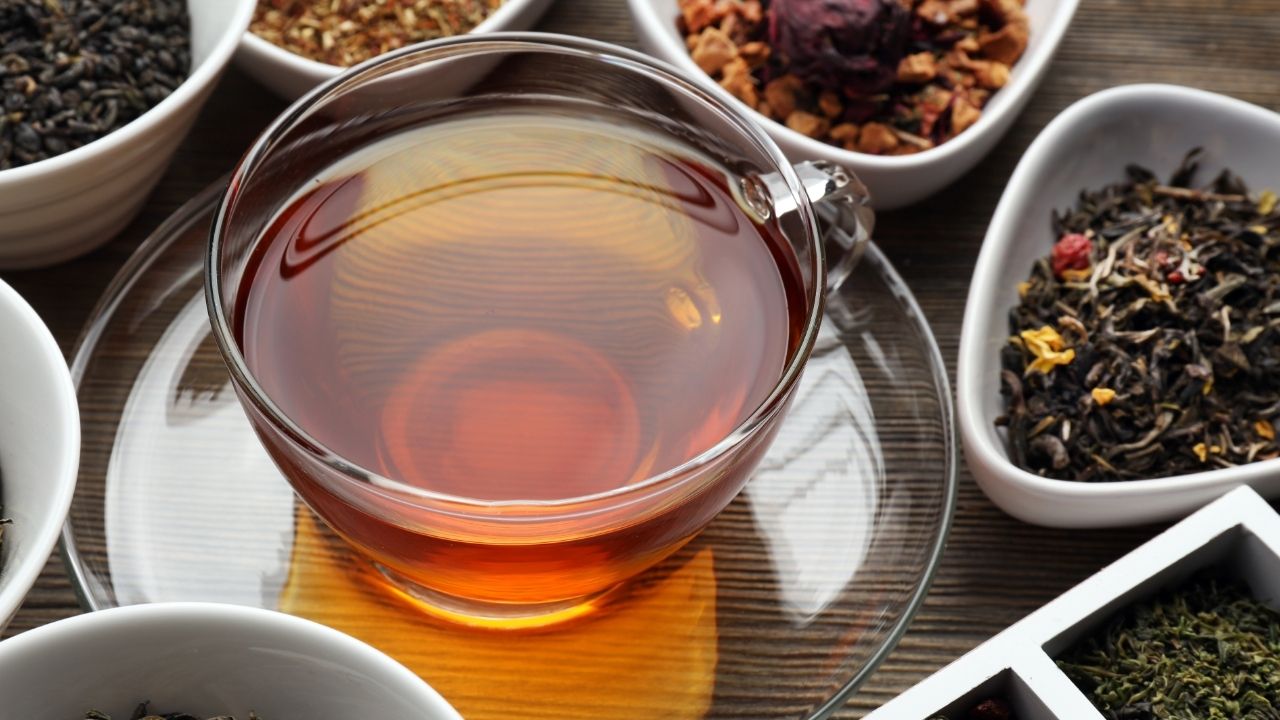
Pay Attention to Balance, Not Just Flavor Strength
Many consumers mistake intensity for quality.
This is a common misunderstanding.
A tea can be extremely strong while remaining unbalanced, harsh, or one-dimensional.
Premium tea is often defined by balance.
When tasting tea, consider:
- Clarity of flavor
- Sweetness
- Structure
- Complexity
- Overall harmony
The finest teas rarely rely on a single dominant characteristic.
Instead, multiple elements work together to create a complete and satisfying cup.
Observe the Finish
One of the simplest ways to identify quality is to pay attention to what happens after swallowing.
Does the flavor disappear immediately?
Or does it continue to develop?
Many high-quality teas leave a clean, lingering impression that remains on the palate after the sip is finished.
This lasting impression is often a sign of careful cultivation, thoughtful processing, and quality raw material.
Consistency Is Often Overlooked
Consistency is one of the most important indicators of quality, yet many consumers rarely think about it.
A great tea should not deliver one excellent cup and three disappointing ones.
It should perform reliably from session to session.
This is one reason why professional buyers place such importance on production standards, quality control, and origin.
Consistency is often what separates premium tea from ordinary tea.
Consider the Origin
Quality tea begins long before processing.
The environment in which tea is grown influences its potential from the very beginning.
Factors such as:
- Elevation
- Climate
- Rainfall
- Soil conditions
all contribute to the final character of the tea.
This is why respected tea-producing regions earn reputations over time and why origin remains an important consideration when evaluating tea quality.
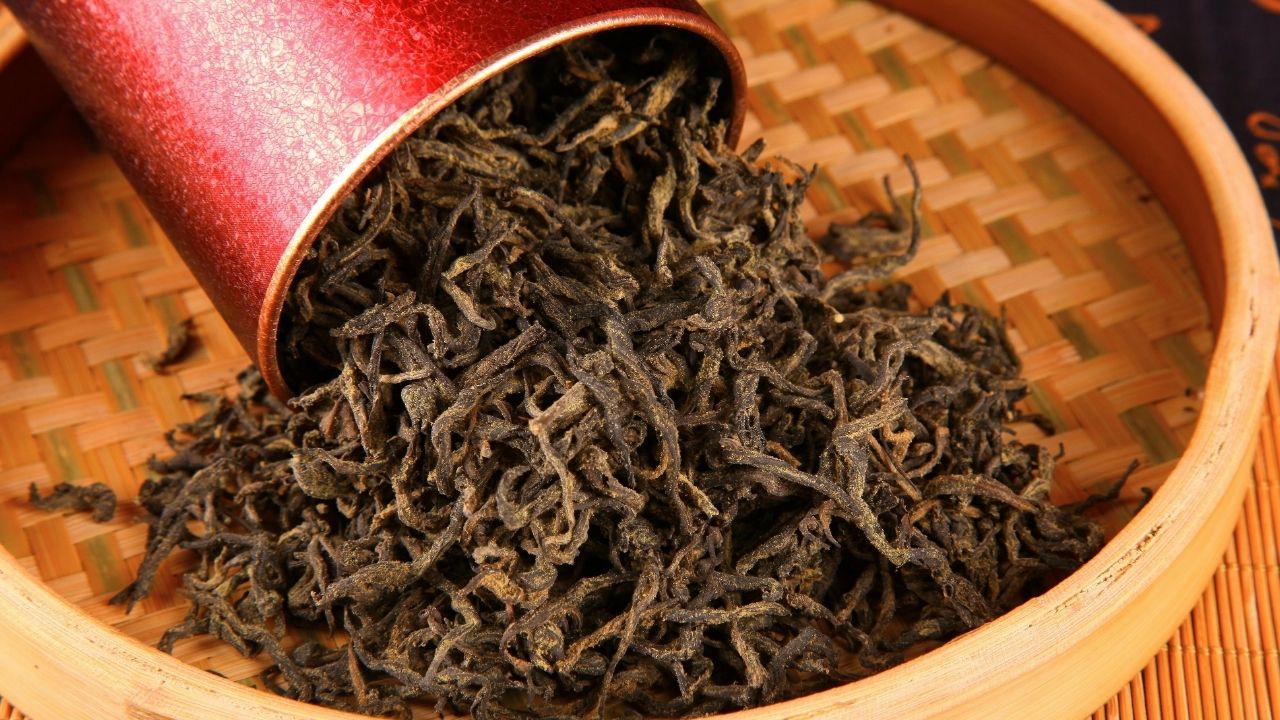
Price Is Not a Reliable Shortcut
Expensive tea is not automatically better tea.
Likewise, affordable tea is not automatically inferior.
Price may reflect:
- Rarity
- Limited production
- Harvesting standards
- Processing complexity
- Branding
- Market demand
Rather than using price as a shortcut, focus on the quality indicators that can be observed directly.
The best tea is not necessarily the most expensive tea.
It is the tea that delivers the greatest quality and enjoyment for its intended purpose.
How LUANGKAN Selects Premium Loose-Leaf Tea
At LUANGKAN Tea, quality evaluation begins long before tasting.
As an owner and operator of tea estates, factories, and processing facilities across West Java, LUANGKAN maintains direct oversight from cultivation through final production.
Tea selection considers multiple factors, including origin, leaf quality, aroma, flavor balance, consistency, and overall drinking experience.
This integrated approach helps ensure that every tea reflects the standards expected from a premium tea producer.
Final Thoughts
Identifying high-quality loose-leaf tea is not about finding a single perfect indicator.
Quality reveals itself through a combination of factors working together.
The leaf, aroma, balance, finish, consistency, and origin all contribute to the final experience.
The more tea you taste, the more these differences become apparent.
And over time, you begin to recognize what tea professionals have known all along:
Exceptional tea is rarely defined by one characteristic.
It is defined by harmony.