
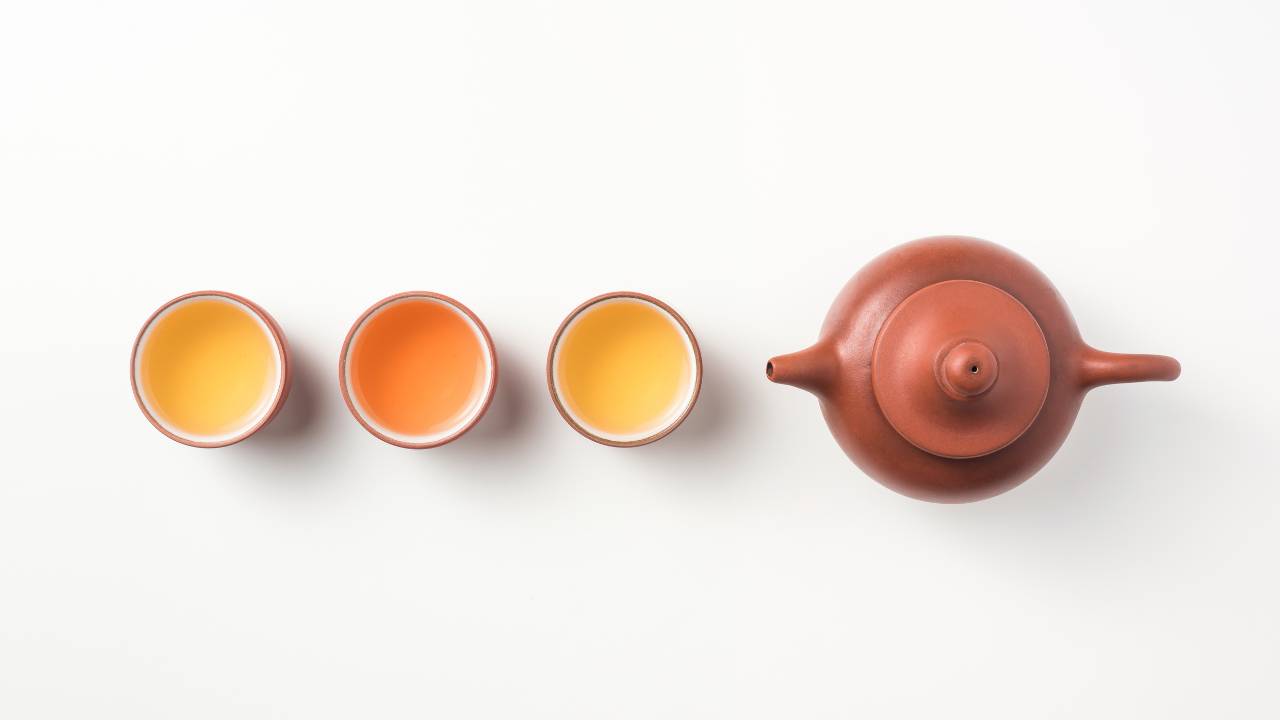
Oolong tea occupies a unique position in the world of tea.
While green tea is minimally oxidized and black tea is fully oxidized, Oolong tea sits between the two, creating an extraordinary range of flavors, aromas, and textures.
Depending on how it is crafted, an Oolong tea can taste fresh and floral like a green tea or rich and fruity like a black tea.
This remarkable versatility is what makes Oolong one of the most respected tea categories among tea professionals and enthusiasts alike.
What Is Oolong Tea?
Like all true teas, Oolong is made from the leaves of the Camellia sinensis plant.
The defining characteristic of Oolong tea is its partial oxidation.
Unlike green tea, where oxidation is immediately halted, or black tea, where oxidation is allowed to proceed fully, Oolong tea is intentionally crafted to fall somewhere in between.
This middle ground allows tea makers to create an enormous spectrum of styles ranging from bright, floral, and creamy to rich, fruity, and deeply complex.
Understanding Oxidation in Oolong Tea
Oxidation is the natural chemical reaction that occurs when tea leaves are exposed to oxygen after harvest.
It is one of the most important factors influencing a tea’s flavor, aroma, color, and body.
Among all major tea categories, Oolong has the widest oxidation range.
Depending on the producer’s style and objectives, Oolong tea may be oxidized anywhere from approximately 8% to 85%.
Generally speaking:
- Lower oxidation produces greener, fresher, and more floral teas.
- Higher oxidation produces richer, fruitier, sweeter, and deeper teas.
This wide oxidation spectrum is the reason Oolong tea can vary so dramatically from one style to another.
What Makes Oolong Tea Unique?
What truly distinguishes Oolong tea is the craftsmanship involved in its production.
Unlike green tea or black tea, Oolong leaves are intentionally bruised along their edges before oxidation begins.
This carefully controlled bruising allows oxidation to develop gradually and unevenly throughout the leaf.
As a result, Oolong tea develops a unique balance between fresh floral aromas and deeper fruit-like sweetness.
This process creates a level of complexity rarely found in other tea categories.
It is one of the primary reasons Oolong is often considered one of the most technically challenging teas to produce successfully.
Green Oolong (Lightly Oxidized Oolong)
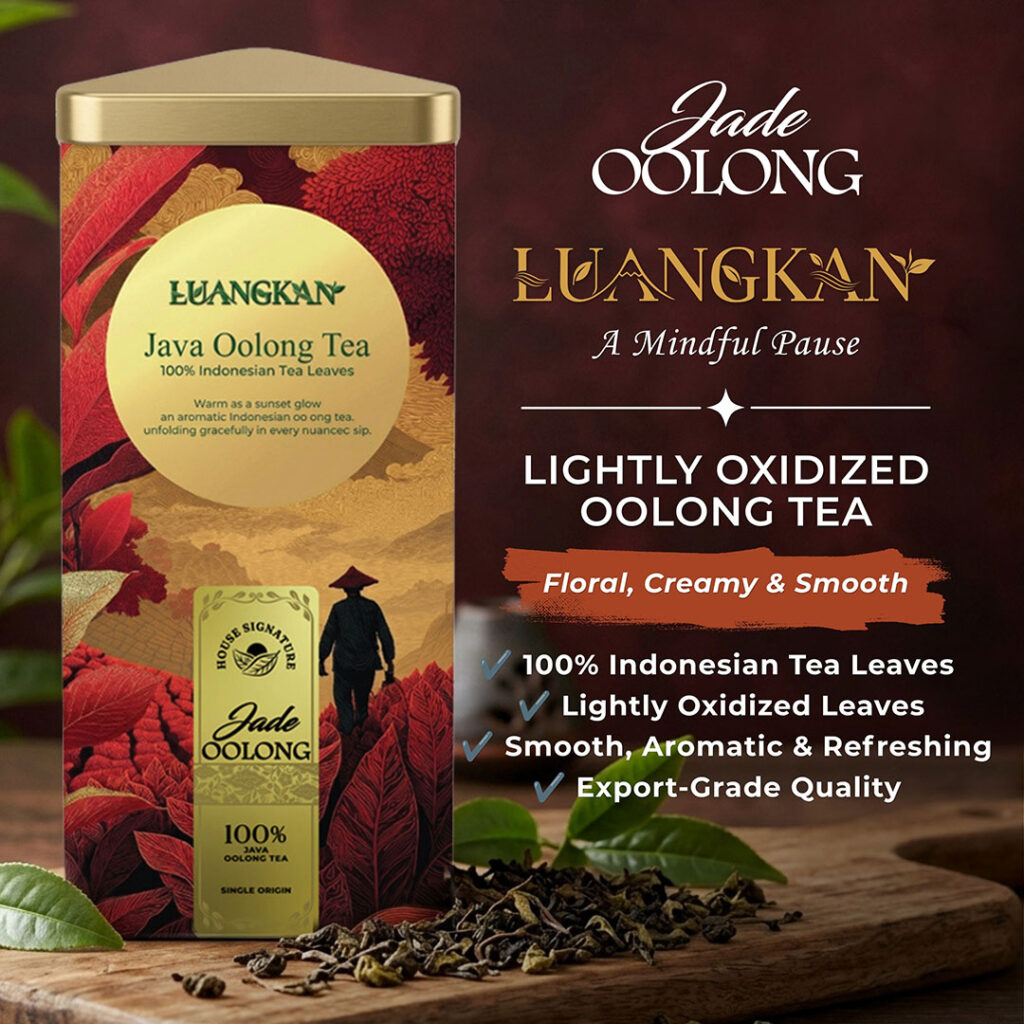
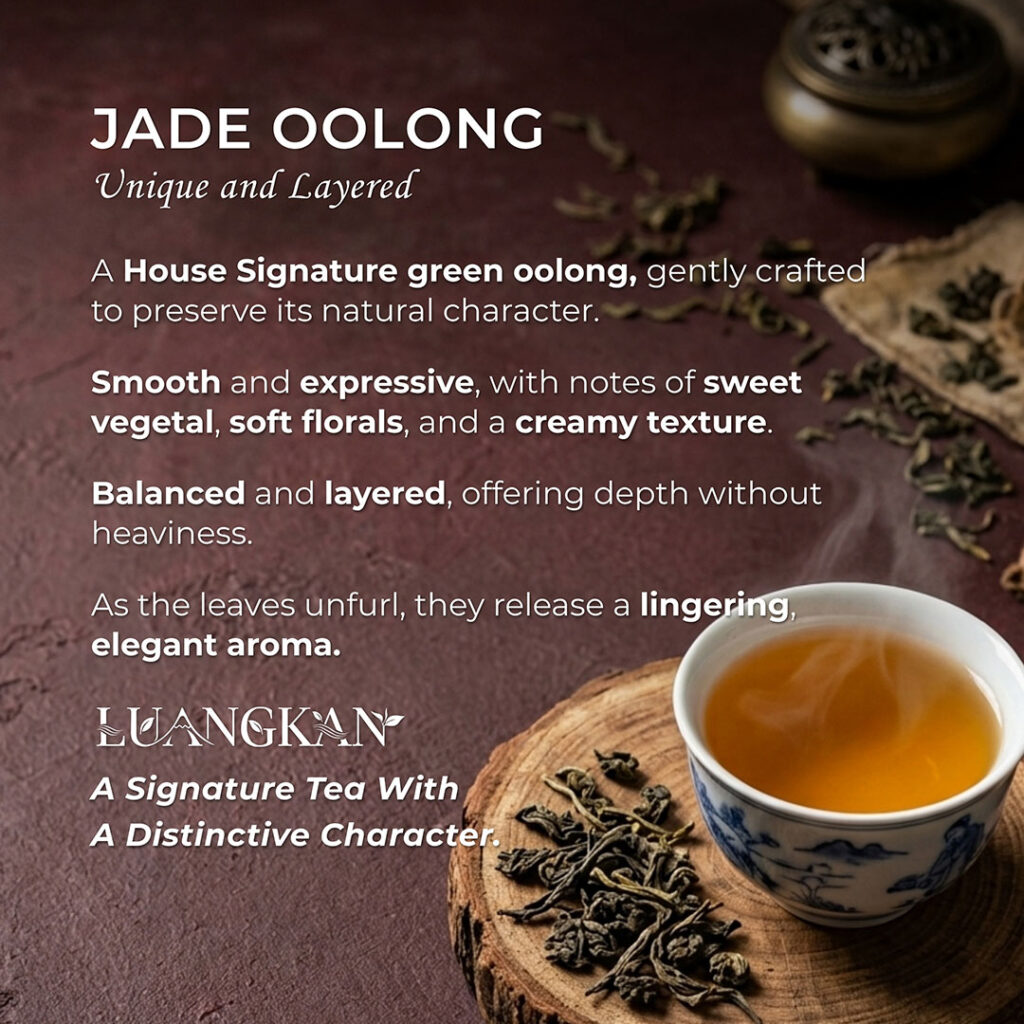
Green Oolong represents the lighter end of the Oolong spectrum.
Often referred to as Jade Oolong or Ching Tea, Green Oolong typically undergoes approximately 10% to 30% oxidation.
Appearance
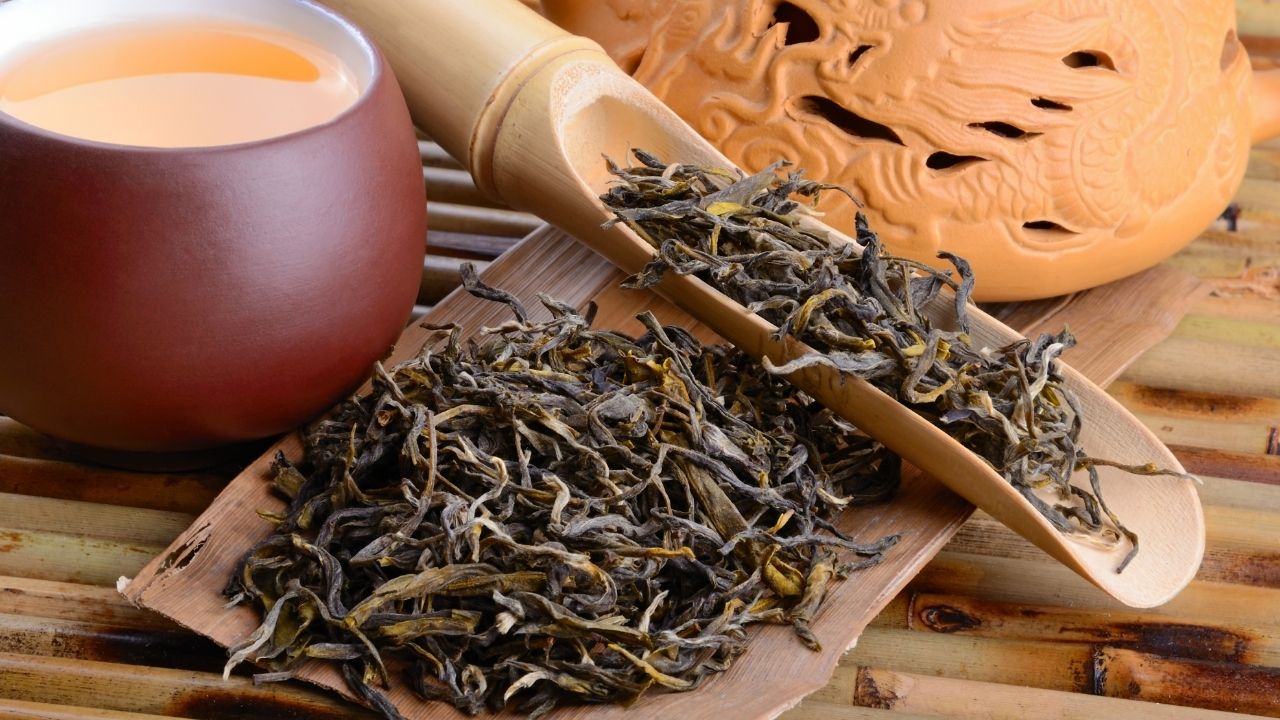
Green Oolong is commonly rolled into small, tightly formed pearls that gradually unfurl during brewing.
The dry leaves are typically vibrant green, while the brewed liquor ranges from pale gold to green-gold.
Flavor Profile
Green Oolong is known for:
- Fresh floral aromas
- Orchid notes
- Lily-like fragrance
- Creamy texture
- Buttery mouthfeel
- Natural sweetness
- Clean finish
Many tea drinkers describe Green Oolong as combining the freshness of green tea with the rich texture that Oolong tea is famous for.
Because of its lower oxidation level, bitterness is generally very low when brewed correctly.
Roasting
Most Green Oolongs receive little to no roasting.
This allows their floral aromas, creamy texture, and fresh character to remain the dominant features of the tea.
Popular Examples
Well-known examples of lightly oxidized Oolong styles include:
- Tie Guan Yin
- High Mountain Oolong
- Jade Oolong
These teas are celebrated for their elegance, fragrance, and refreshing character.
Red Oolong (Heavily Oxidized Oolong)
Red Oolong represents the richer end of the Oolong spectrum.
Known in Chinese as Hong Wu Long, Red Oolong often reaches oxidation levels between 70% and 85%.
Appearance
Unlike Green Oolong, Red Oolong is frequently processed into long, twisted leaves rather than tightly rolled pearls.
The leaves appear darker, while the brewed liquor ranges from deep amber to reddish-gold.
Flavor Profile
As oxidation increases, the flavor profile transforms dramatically.
Red Oolong is often characterized by:
- Ripe stone fruit notes
- Dark honey sweetness
- Roasted nut character
- Soft woody notes
- Fuller body
- Long finish
The fresh floral qualities found in Green Oolong gradually evolve into richer, deeper, and more complex flavors.
Roasting
Many Red Oolong styles also undergo additional roasting after oxidation.
This further develops notes of honey, caramel, roasted nuts, dried fruit, and warm wood, creating a richer and more layered flavor profile.
Why It Is Called Red Oolong
The term “Red Oolong” refers to the tea’s higher oxidation level and the reddish-amber liquor it produces when brewed.
Although darker than Green Oolong, it remains classified as Oolong because it is not fully oxidized like black tea.
Green Oolong vs Red Oolong
Although both belong to the same tea category, they offer very different experiences.
Green Oolong
Typically offers:
- Lower oxidation
- Floral aromas
- Fresh character
- Creamy texture
- Light to medium body
Red Oolong
Typically offers:
- Higher oxidation
- Fruity sweetness
- Honey notes
- Fuller body
- Greater depth and complexity
Neither style is inherently better than the other.
They simply represent different expressions of the same tea tradition.
Indonesia’s Hidden Oolong Heritage
While China and Taiwan are globally recognized as the historic homes of Oolong tea, Indonesia has quietly developed a reputation as one of Southeast Asia’s most promising Oolong-producing regions.
The story of Indonesian Oolong is closely tied to Taiwanese tea expertise.
During the late twentieth century, premium Taiwanese cultivars such as Tie Guan Yin and Dong Ding were introduced to Indonesia.
These cultivars adapted remarkably well to the volcanic highlands of West Java and contributed to the development of what many tea enthusiasts now recognize as Jawa Oolong.
Today, Indonesian Oolong continues to gain recognition for its distinctive character and exceptional growing conditions.
Why Ciwidey Became an Ideal Home for Oolong Tea
Among Indonesia’s tea-growing regions, few places are as closely associated with Oolong production as Ciwidey and the surrounding highlands of South Bandung.
Located between approximately 1,200 and 1,500 meters above sea level, the region provides ideal conditions for cultivating premium Oolong tea.
Key advantages include:
- Volcanic, mineral-rich soils
- Cool mountain temperatures
- Frequent cloud cover
- Slow leaf development
- Excellent aromatic complexity
These conditions allow Oolong bushes to develop exceptional depth, fragrance, and balance.
Today, Ciwidey remains one of Indonesia’s best-known Oolong-producing regions and is home to one of LUANGKAN’s tea estates.
The region continues to play an important role in the evolution of Indonesian Oolong and remains highly respected among tea professionals throughout the country.
Does Higher Oxidation Mean Better Quality?
Not at all.
One of the biggest misconceptions in tea is that darker tea automatically means higher quality.
In reality, oxidation level is a stylistic choice rather than a quality indicator.
An exceptional Green Oolong can be every bit as prestigious and valuable as an exceptional Red Oolong.
Quality depends on many factors, including:
- Cultivar
- Terroir
- Harvest timing
- Leaf selection
- Processing skill
- Consistency
The best Oolong is not necessarily the most oxidized one, but the one that best expresses its intended style.
How to Brew Oolong Tea
Oolong tea rewards careful brewing and can often be infused multiple times.
For best results:
- Tea-to-water ratio: 2 grams per 100 ml
- Water temperature: 85–95°C
- Steeping time: 3–5 minutes
- Re-infusions: Up to 3–4 infusions
Each infusion often reveals new layers of aroma and flavor.
This evolving character is one of the reasons Oolong tea is so highly valued among tea enthusiasts.
Which Oolong Should You Choose?
Choose Green Oolong if you enjoy:
- Floral aromas
- Fresh flavors
- Creamy texture
- Light and elegant teas
Choose Red Oolong if you enjoy:
- Richer flavors
- Honey sweetness
- Fruity complexity
- Fuller-bodied teas
Both styles showcase the remarkable versatility that makes Oolong one of the world’s most fascinating tea categories.
Final Thoughts
From the floral elegance of Green Oolong to the rich complexity of Red Oolong, Oolong tea demonstrates how small changes in oxidation and craftsmanship can create dramatically different drinking experiences from the same tea plant.
Beyond its global roots in China and Taiwan, Indonesia has developed a rich Oolong tradition of its own. The highland tea regions of West Java, particularly Ciwidey and the surrounding tea-growing areas, continue to play an important role in this tradition.
Today, these regions produce distinctive Oolong teas that combine Taiwanese cultivar heritage with Indonesian terroir, demonstrating why Indonesian Oolong deserves a place among the world’s most exciting tea origins.