
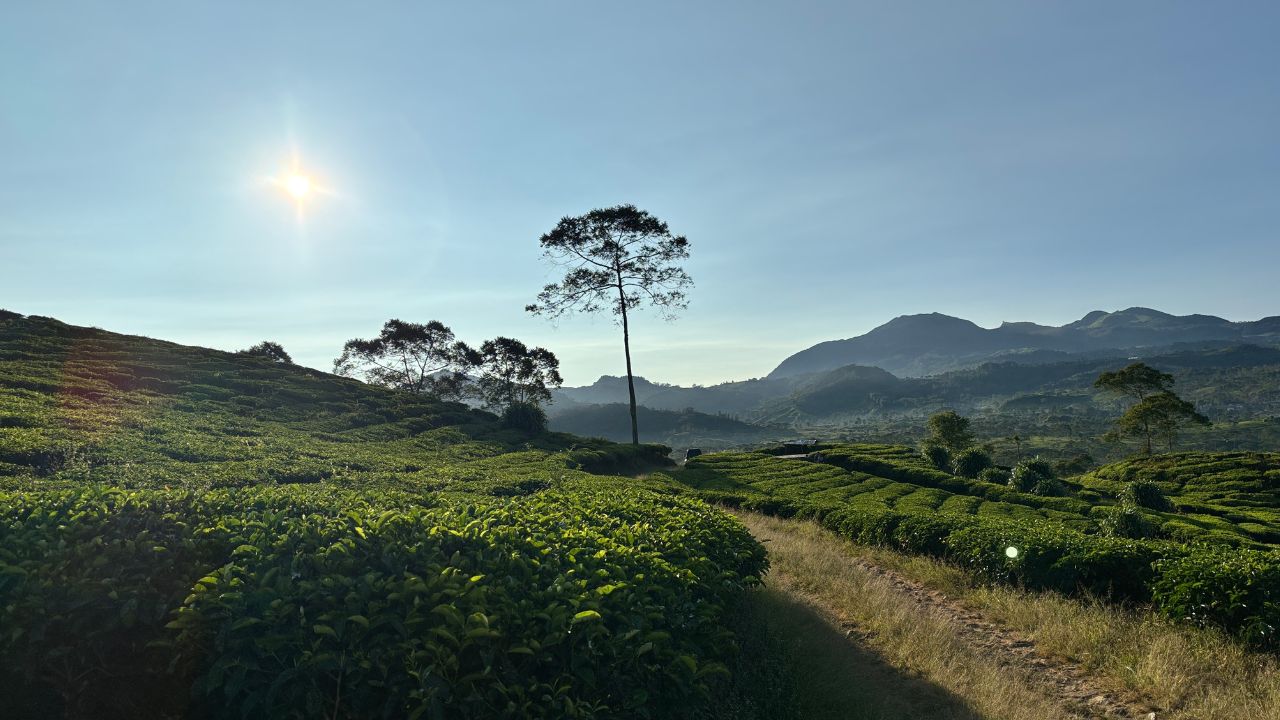
Many of the world’s most respected teas are closely associated with specific tea estates and growing regions.
Names such as Darjeeling, Uji, and Longjing have earned global recognition because of their connection to places known for producing exceptional tea.
But what actually makes a tea estate great?
Is it the location?
The soil?
The climate?
Or something else entirely?
The answer is that great tea estates are rarely defined by a single factor.
Instead, they are built through the combination of natural advantages, skilled management, careful processing, and a long-term commitment to quality.
A great tea estate is not defined by what it owns.
It is defined by what it consistently produces.
Exceptional Tea Begins with the Right Environment
Every great tea estate starts with favorable growing conditions.
Tea plants are highly influenced by their environment, and factors such as elevation, climate, rainfall, and soil conditions all affect how tea develops.
Many respected tea-growing regions share common characteristics:
- Suitable elevations
- Consistent rainfall
- Favorable temperatures
- Healthy soils
- Stable growing conditions
These natural advantages create the foundation upon which quality can be built.
However, nature alone is rarely enough.
Great Estates Are Carefully Managed
Two tea estates can share similar environmental conditions and still produce very different results.
The difference often comes down to management.
Great tea estates invest significant effort into:
- Cultivation practices
- Plant health
- Harvesting standards
- Staff training
- Quality oversight
The goal is not simply to grow tea.
The goal is to consistently produce tea that meets a defined quality standard year after year.
Harvesting Standards Matter
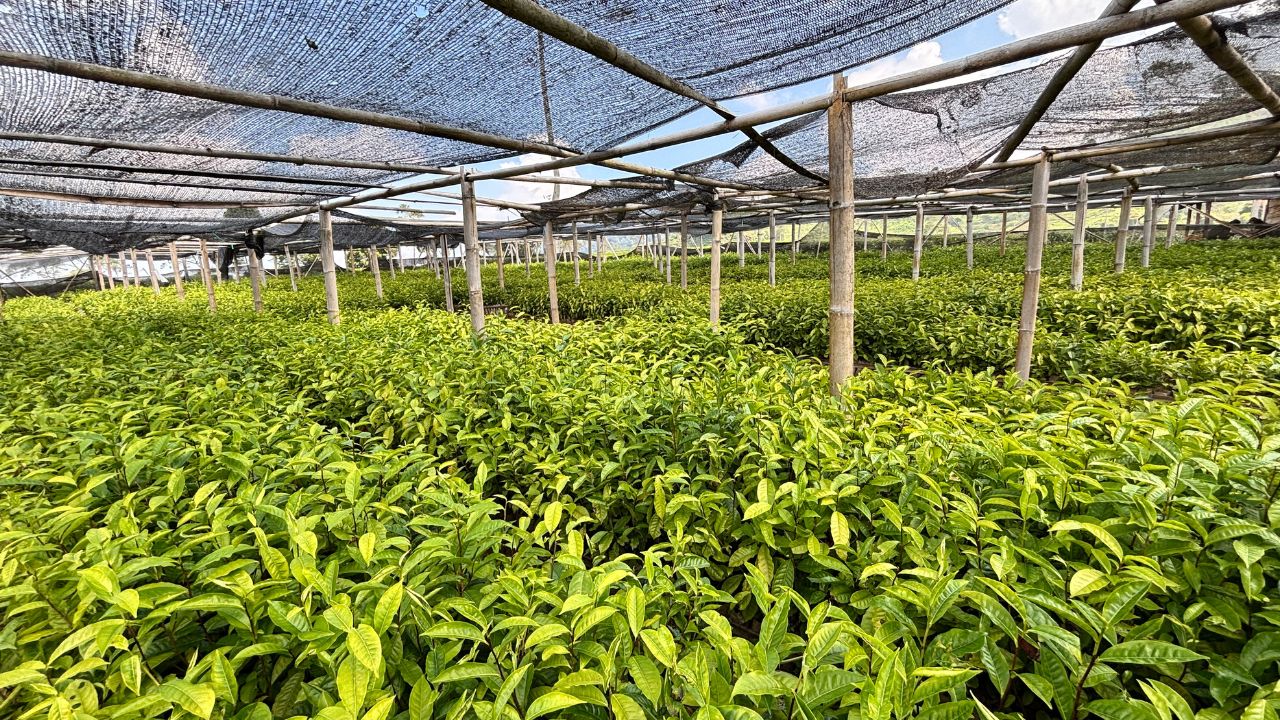
Tea quality begins with the leaf.
Even the best tea estate cannot produce exceptional tea from poorly selected raw material.
Great estates often establish clear harvesting standards that define:
- Which leaves are harvested
- When harvesting occurs
- How leaves are handled after picking
These decisions have a direct impact on the quality of the finished tea.
Processing Is Part of the Estate’s Identity
A tea estate’s responsibility does not end when leaves are harvested.
Processing plays a critical role in shaping the final tea.
The same tea leaf can produce very different results depending on how it is handled after harvest.
For this reason, many of the world’s most respected tea estates invest heavily in:
- Processing expertise
- Manufacturing facilities
- Production standards
- Quality control systems
Growing excellent leaves is important.
Knowing how to transform those leaves into exceptional tea is equally important.
Consistency Builds Reputation
A single outstanding harvest can attract attention.
Decades of consistent quality build reputation.
This is one reason why the world’s most respected tea estates are trusted by buyers, importers, and tea brands.
Consistency creates confidence.
Buyers know what to expect.
Consumers know what to expect.
That reliability becomes part of the estate’s identity.
In many cases, reputation is earned through years of consistent performance rather than a single exceptional season.
Great Estates Think Long-Term
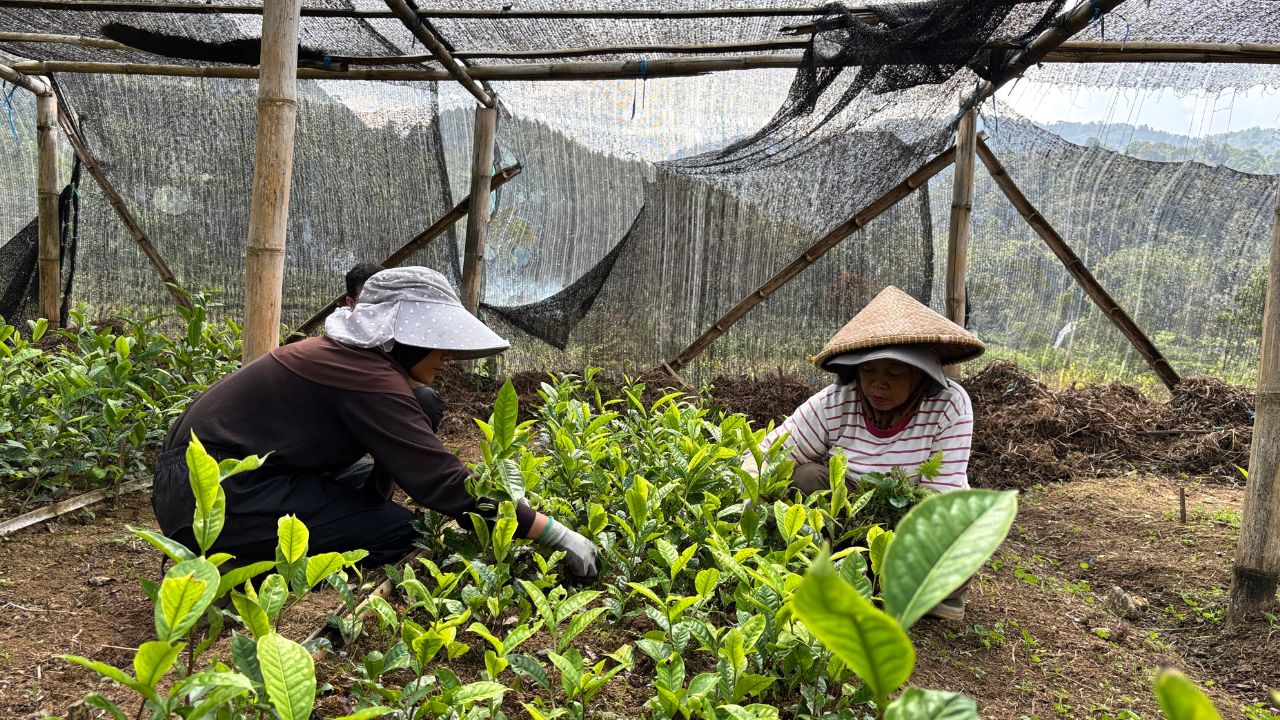
A tea estate cannot build a reputation in a single harvest.
The most respected estates earn trust through years—often decades—of consistent performance.
Great estate management requires long-term thinking.
Decisions made today affect not only the current harvest but also the future health of the tea plants, the quality of production, and the reputation of the estate itself.
This long-term perspective is one reason why the world’s leading tea estates continue to be respected generation after generation.
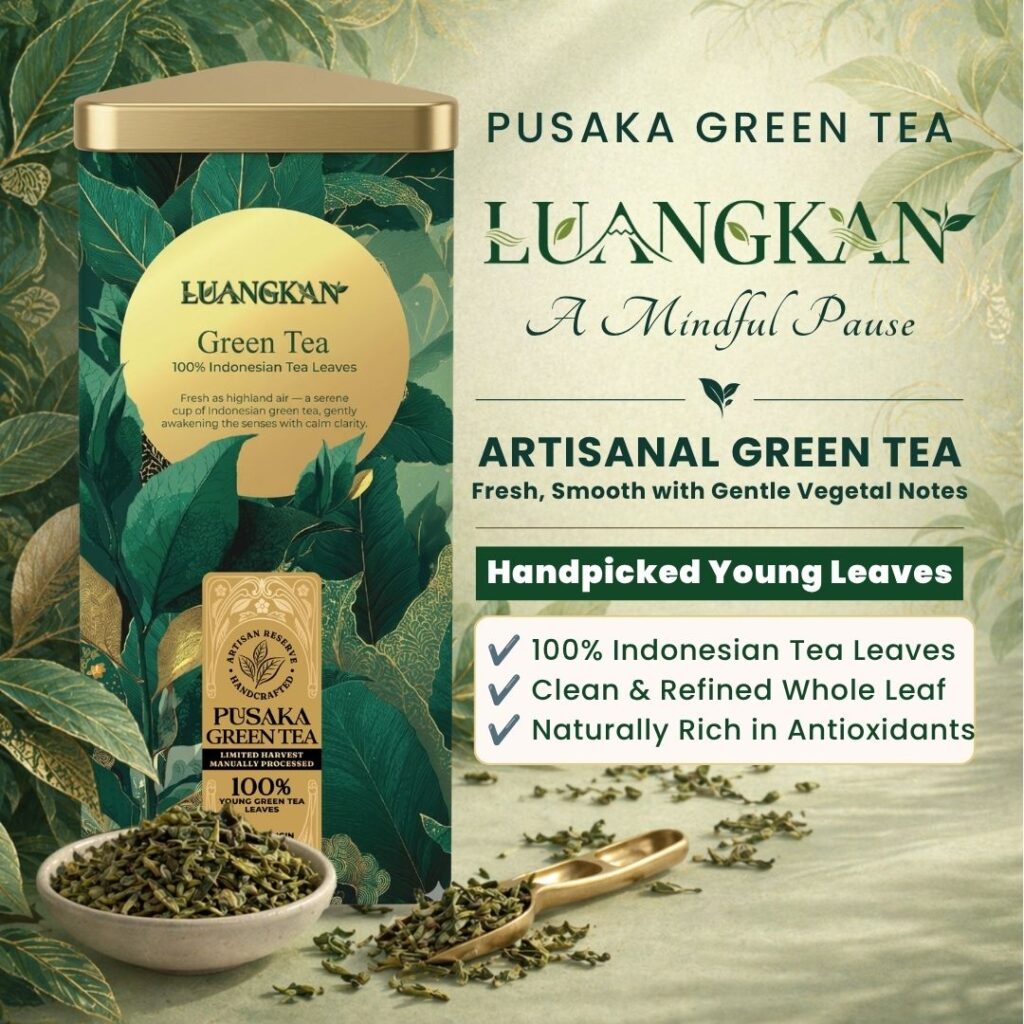
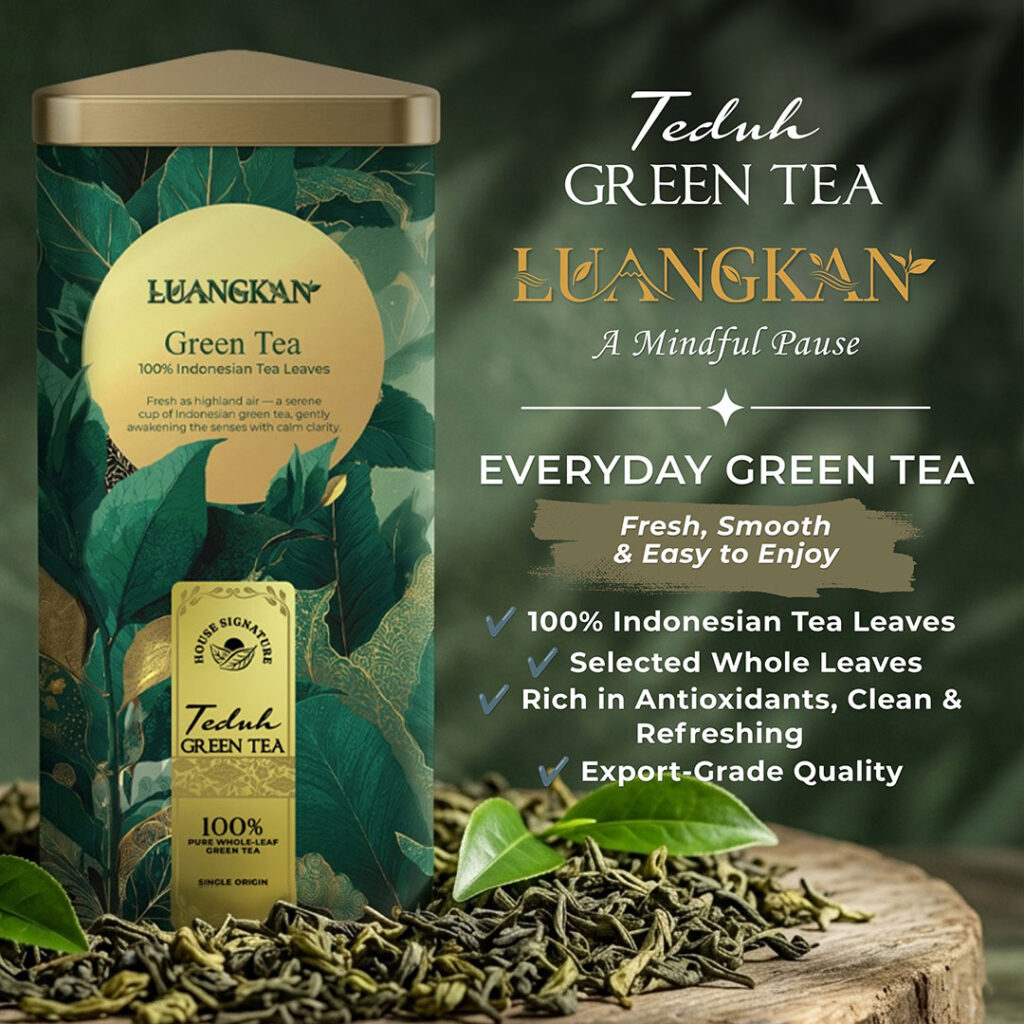
How LUANGKAN Approaches Estate Quality
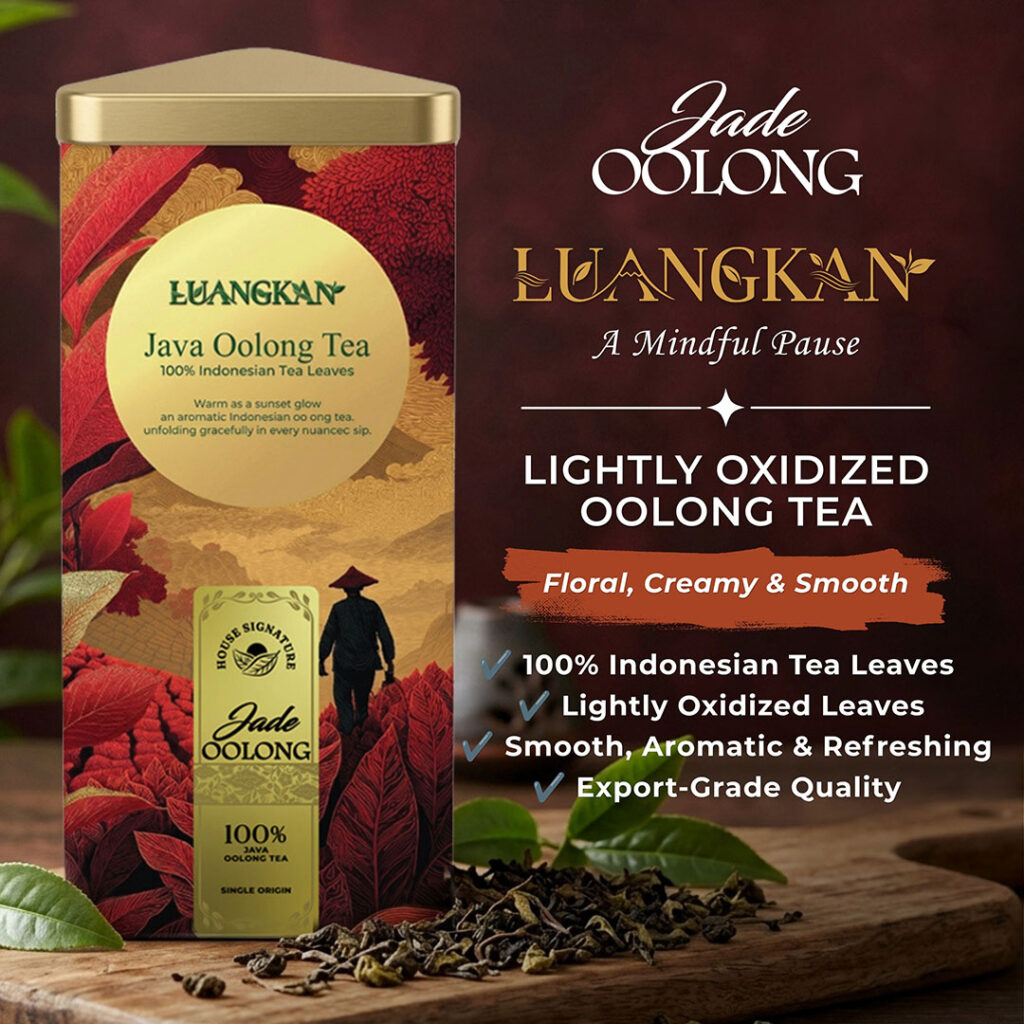
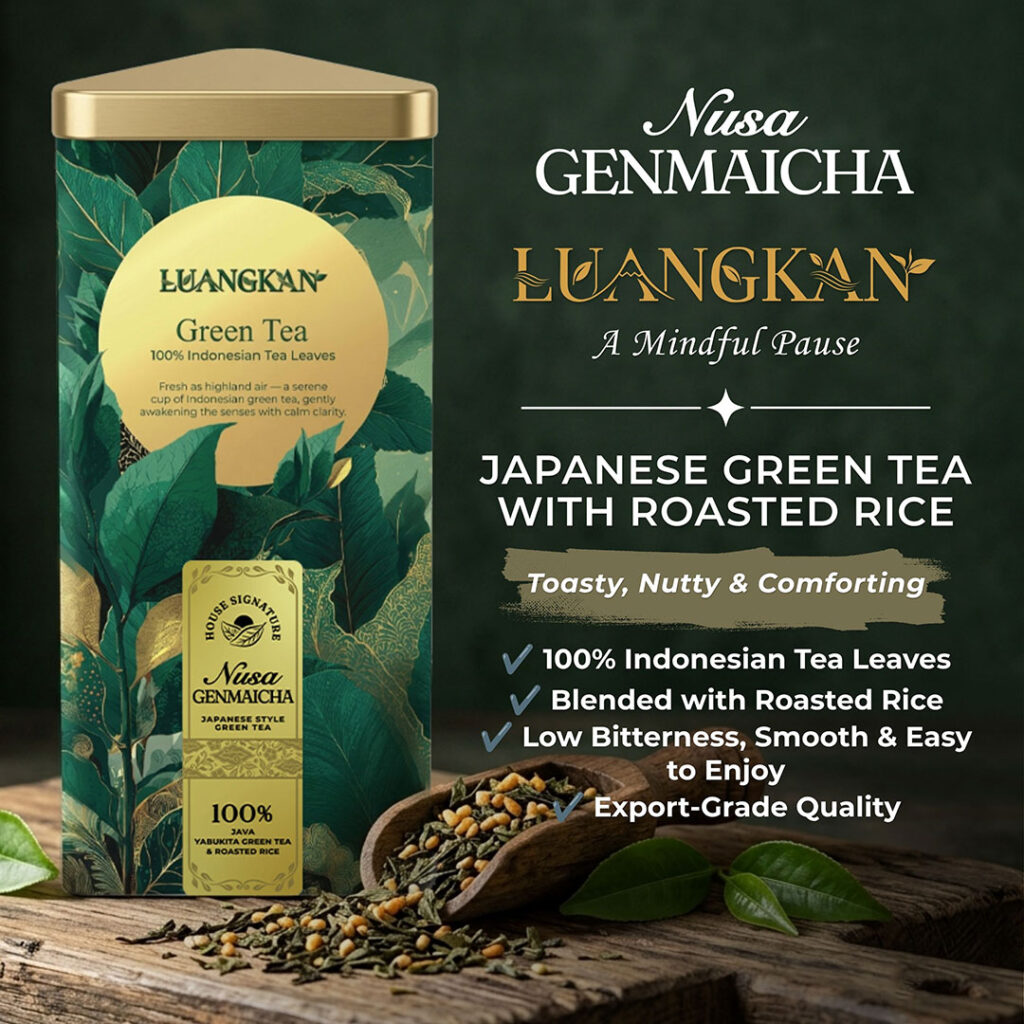
At LUANGKAN Tea, estate quality begins with direct stewardship of the entire production journey.
LUANGKAN owns and operates tea estates, factories, and processing facilities across the volcanic highlands of West Java.
This integrated approach allows quality to be managed from cultivation and harvesting through manufacturing and final production.
The combination of favorable growing conditions, processing expertise, and long-term quality control helps ensure that each tea reflects the standards expected by both domestic and international customers.
Unlike brands that rely entirely on third-party sourcing, LUANGKAN maintains direct oversight throughout the production process, helping preserve consistency, authenticity, and quality from estate to cup.
Final Thoughts
Great tea estates are not defined by geography alone.
They are built through the combination of environment, management, harvesting standards, processing expertise, and long-term consistency.
While exceptional growing conditions provide the foundation, it is human skill and stewardship that transform potential into reality.
The finest tea estates do more than grow tea.
They build a reputation for quality that endures across generations.