
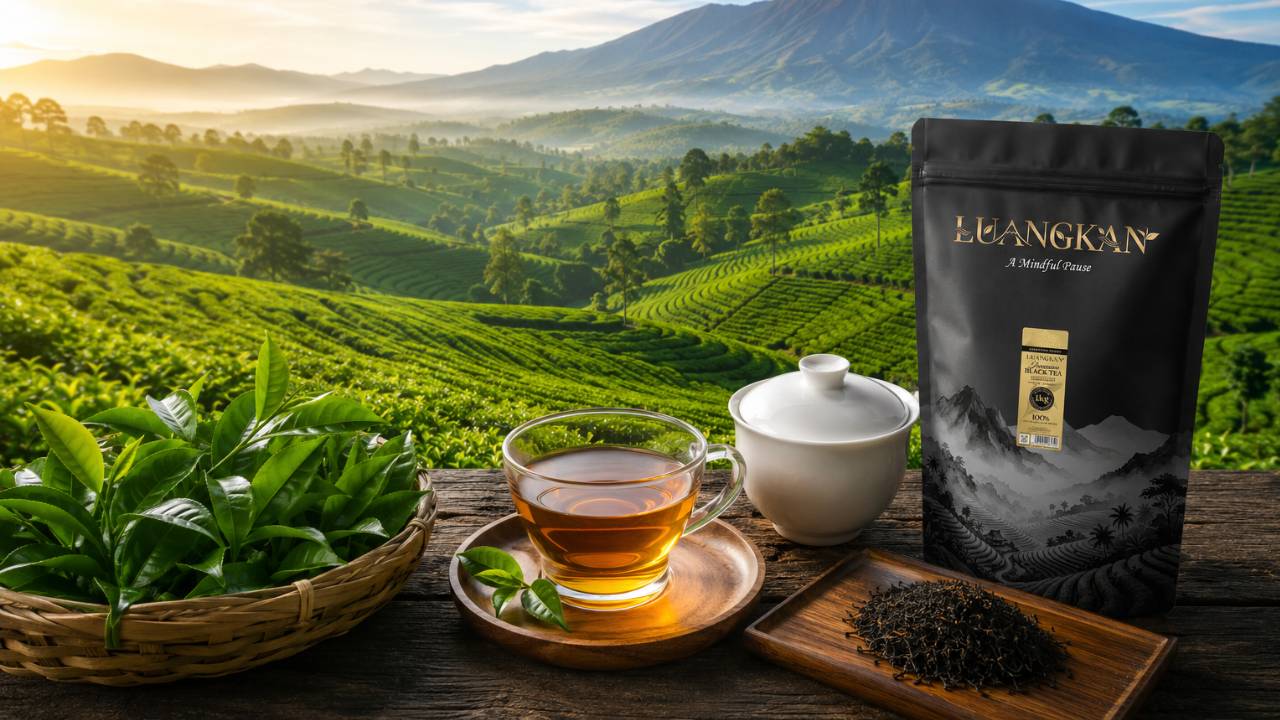
Indonesia is not a new tea origin.
Tea has been cultivated in Indonesia for more than 300 years. The country is one of the world’s largest tea-producing nations and home to historic tea estates, volcanic mountain terroirs, and generations of tea-growing expertise.
Yet when people discuss the world’s most famous tea origins, Indonesia is often overlooked.
China is known.
Japan is known.
India is known.
Sri Lanka is known.
Indonesia is rarely part of the conversation.
This creates an interesting question.
If Indonesia has been producing tea for centuries, why is it still one of the tea industry’s best-kept secrets?
The answer has less to do with tea quality and more to do with visibility.
A Tea Origin Hidden in Plain Sight
One of the greatest ironies of Indonesian tea is that many people have already consumed it.
For decades, Indonesian tea has supplied international tea companies, foodservice programs, hospitality groups, and global tea brands.
Its leaves have traveled around the world.
Its name often has not.
Consumers may have enjoyed Indonesian tea in blends, tea bags, restaurants, hotels, and retail products without ever knowing where the tea originated.
The tea was present.
The origin remained invisible.
As a result, Indonesia became one of the world’s most important tea-producing countries while remaining relatively unknown to many tea consumers.
More Than Three Centuries of Tea Heritage
Indonesia’s tea story began in the seventeenth century and expanded rapidly throughout the nineteenth century.
Over time, tea cultivation spread across the volcanic highlands of Java and Sumatra, creating an industry that would become one of the largest in Asia.
Generations of growers, estate managers, tea makers, and agricultural specialists contributed to the development of Indonesian tea.
This expertise did not appear overnight.
It was built over centuries.
Today, Indonesia’s tea heritage remains very much alive through tea estates that continue to cultivate and produce tea across the country’s most important growing regions.
The Advantage of Volcanic Terroir
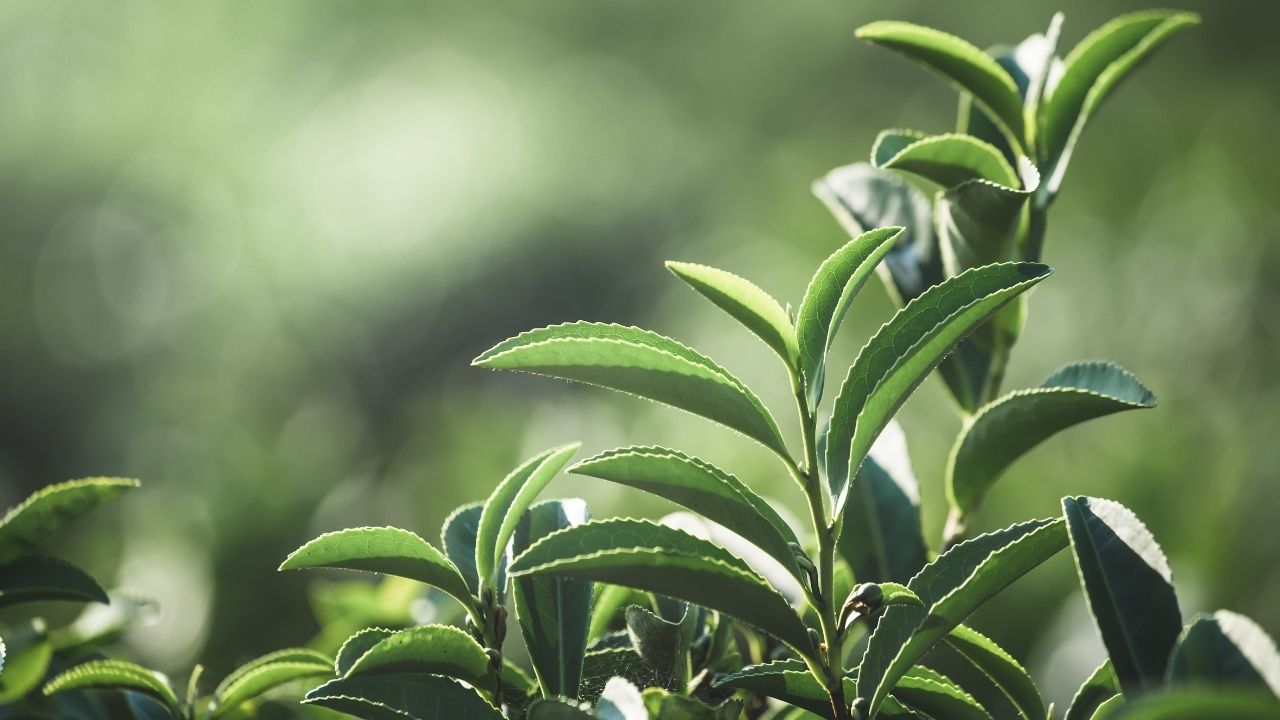
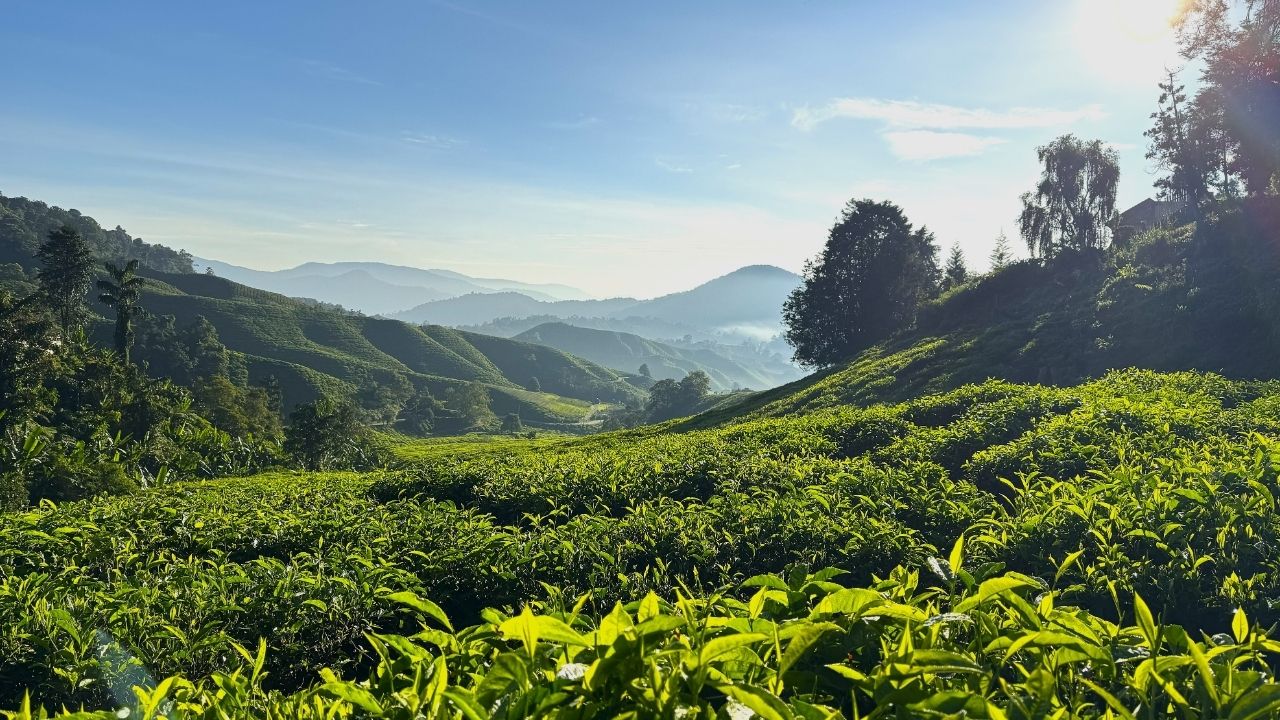
Many of Indonesia’s finest teas originate from volcanic highlands.
Regions throughout West Java benefit from a combination of:
- Volcanic soils
- High elevations
- Cool mountain temperatures
- Consistent rainfall
Together, these conditions create an environment well suited to premium tea production.
The relationship between soil, climate, altitude, and tea character is often described as terroir.
Just as famous wine regions are shaped by their environment, Indonesian tea is deeply influenced by the volcanic landscapes in which it is grown.
This natural advantage has existed for generations.
Only recently has it begun receiving broader international attention.
Colonial-Era Estates, Modern Tea Excellence
Many tea-producing countries possess history.
Indonesia possesses living history.
Some tea estates operating today trace their origins back more than a century and remain active producers of tea.
These estates have survived political change, economic change, industry transformation, and changing consumer preferences.
What remains is a remarkable continuity of knowledge and experience.
In today’s premium tea market, this matters.
Consumers increasingly seek authenticity.
Buyers seek provenance.
Brands seek meaningful stories connected to real places.
Historic tea estates provide all three.
For Indonesia, heritage is not simply something preserved in archives.
It continues to shape tea production today.
One Origin, Extraordinary Diversity
Another reason Indonesian tea deserves greater recognition is its versatility.
Many tea origins are closely associated with a specific category.
Indonesia is different.
The country produces:
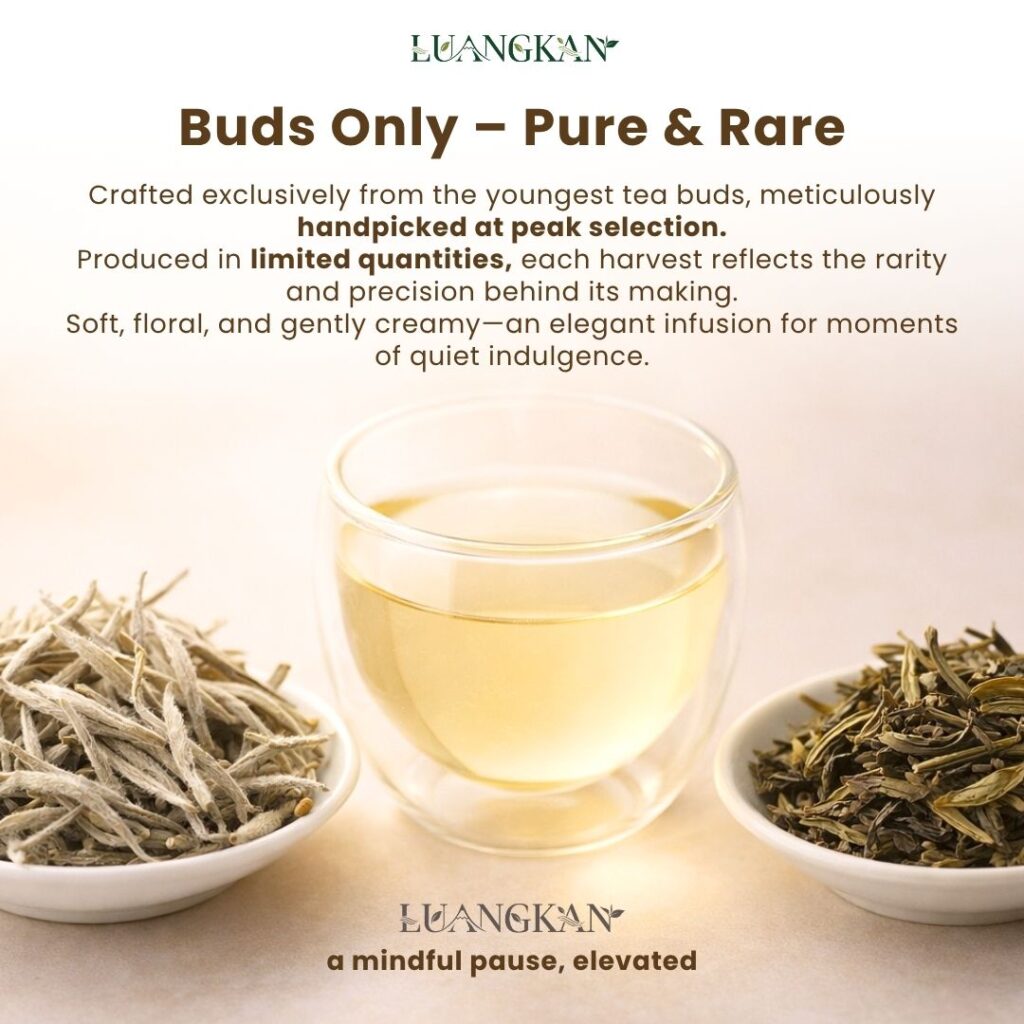
- White Tea
- Green Tea
- Black Tea
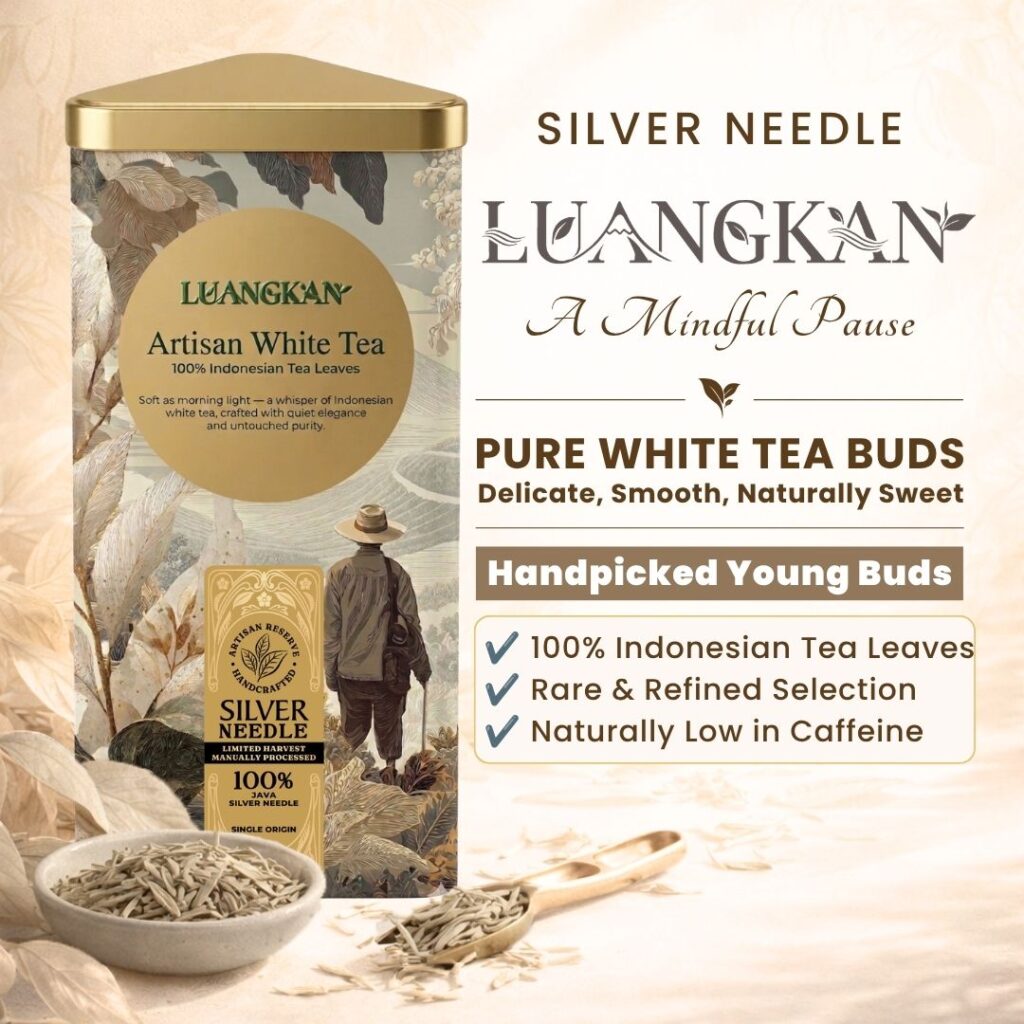
- Oolong Tea
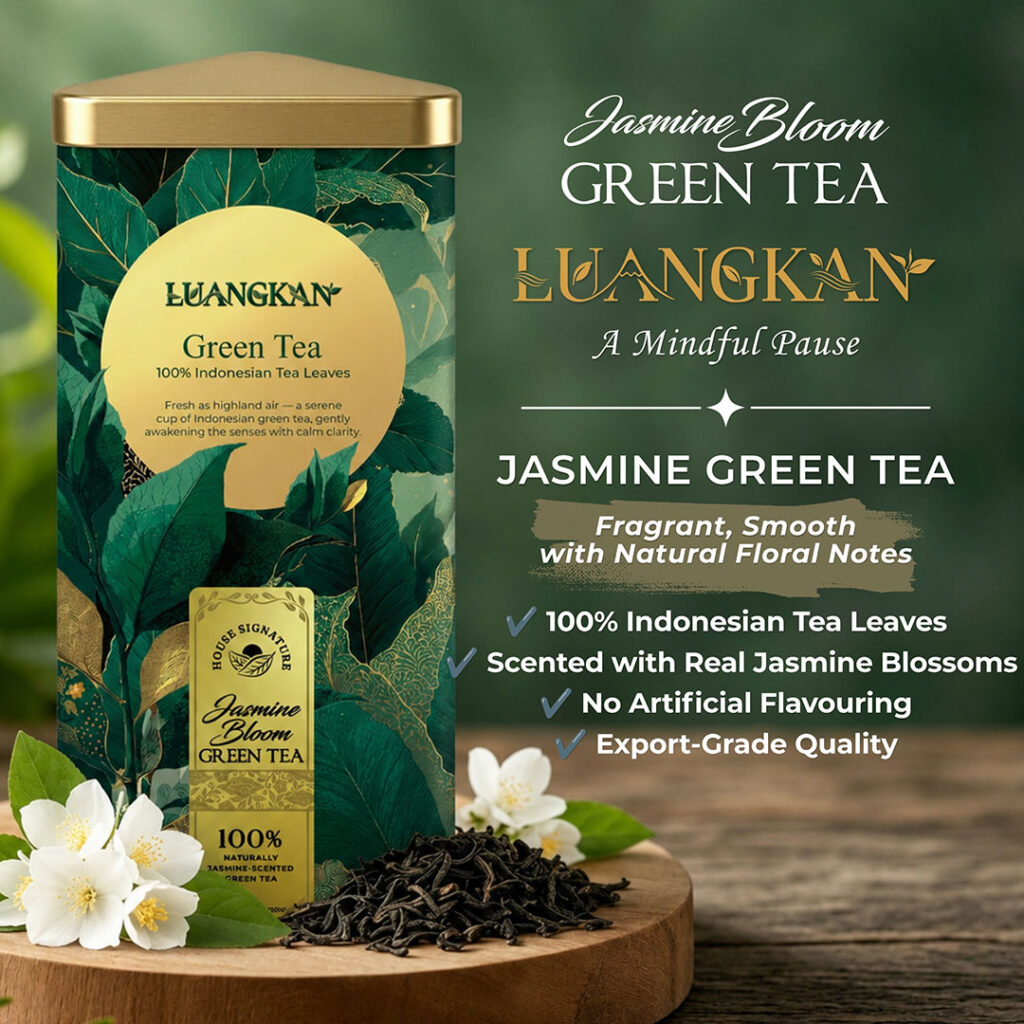
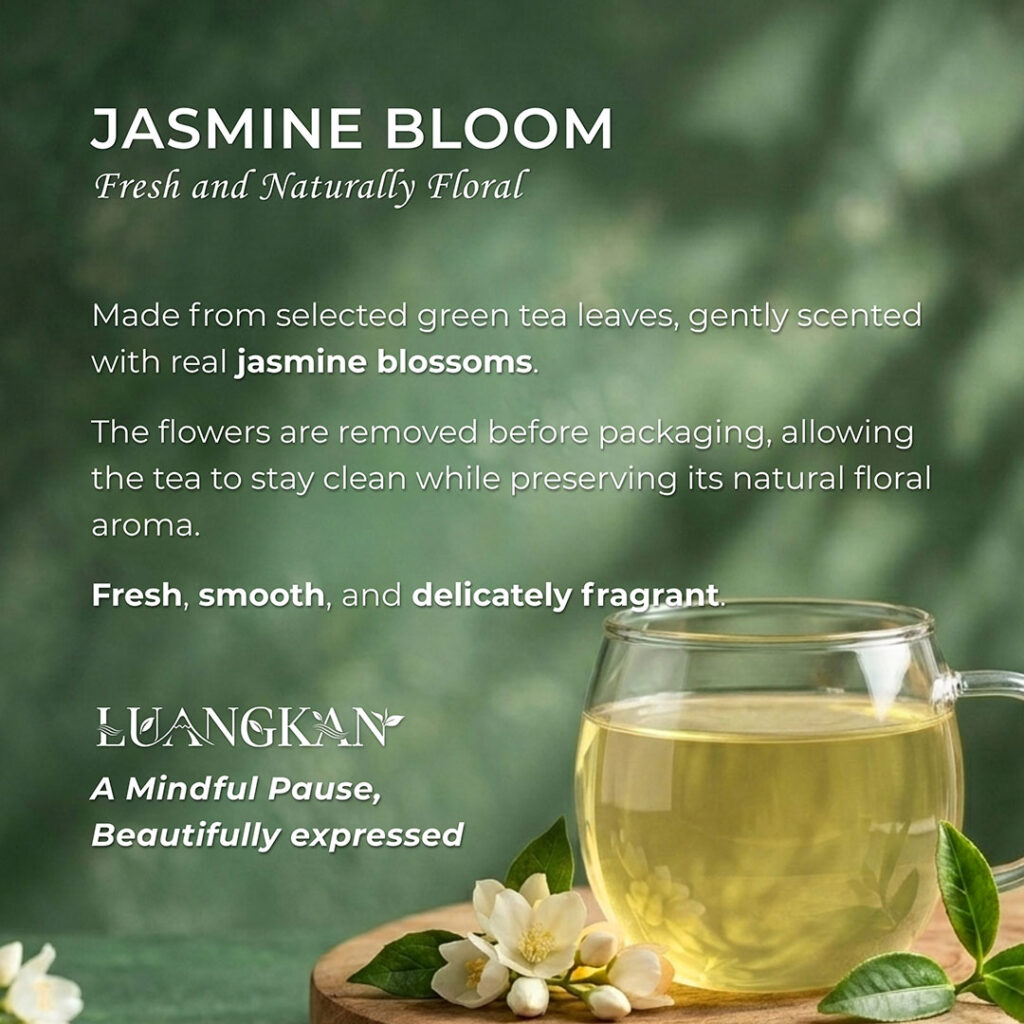
- Jasmine Tea
This breadth gives Indonesia a unique position within the global tea industry.
Rather than being known for a single iconic tea style, Indonesia has the ability to serve multiple tea categories while maintaining a strong connection to origin.
For buyers, retailers, tea brands, and hospitality businesses, that flexibility is highly valuable.
From Volume to Value
For much of the twentieth century, Indonesia became known internationally as a reliable producer of tea for large-scale markets.
The industry earned respect for its consistency, production capability, and ability to supply global demand.
Yet this success created an unintended consequence.
Many buyers came to associate Indonesian tea primarily with volume.
Far fewer experienced the finest teas Indonesia was capable of producing.
Today, that perception is changing.
Around the world, tea professionals are increasingly discovering that Indonesia’s greatest potential lies not only in how much tea it can produce, but in how exceptional its best teas can be.
The conversation is shifting.
From commodity to craftsmanship.
From volume to value.
From supplier to origin.
Why the World Is Paying Attention Now
Several global trends are helping bring Indonesian tea into the spotlight.
Consumers increasingly value:
- Origin
- Traceability
- Authenticity
- Craftsmanship
- Heritage
Buyers are actively searching for distinctive tea origins that offer something different from traditional market leaders.
These trends align naturally with Indonesia’s strengths.
The world is not discovering a new tea origin.
It is rediscovering an existing one.
A New Generation of Indonesian Tea
A new generation of producers is helping tell Indonesia’s story more clearly.
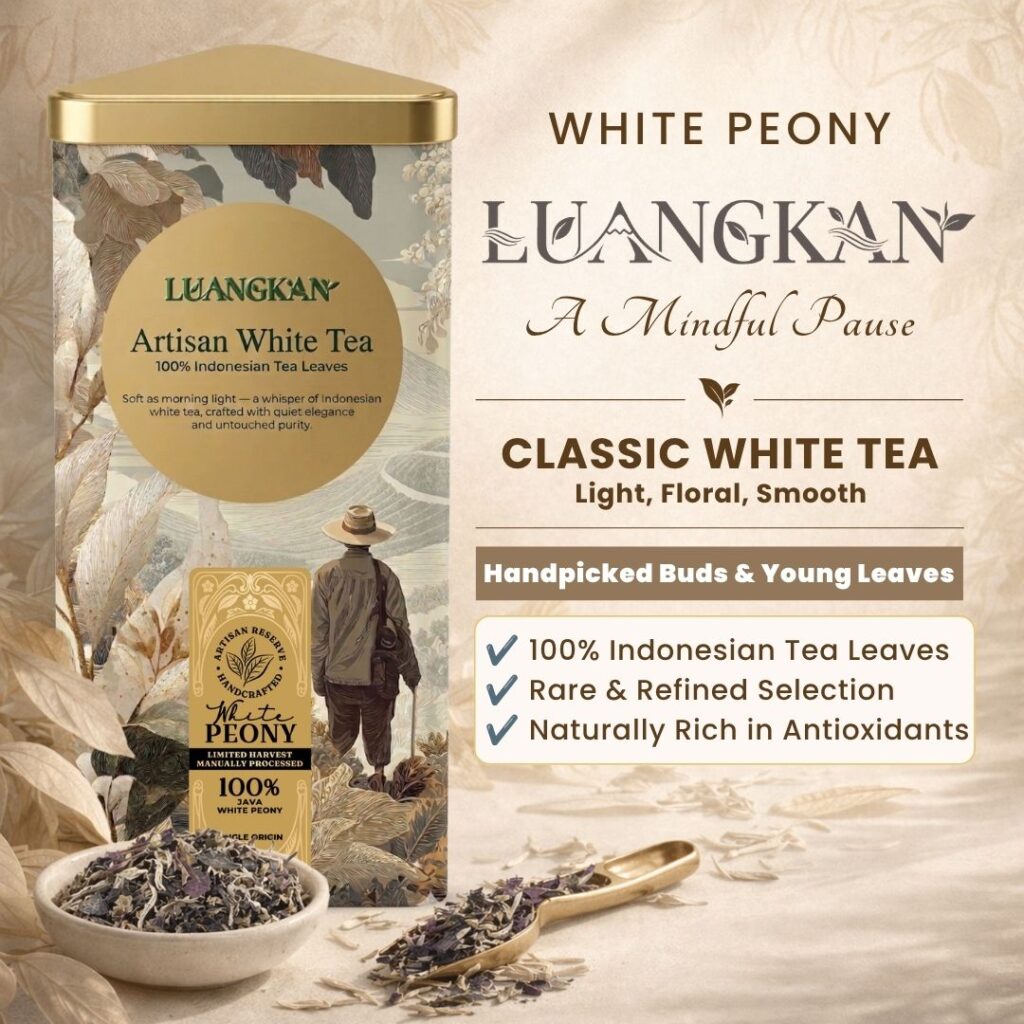
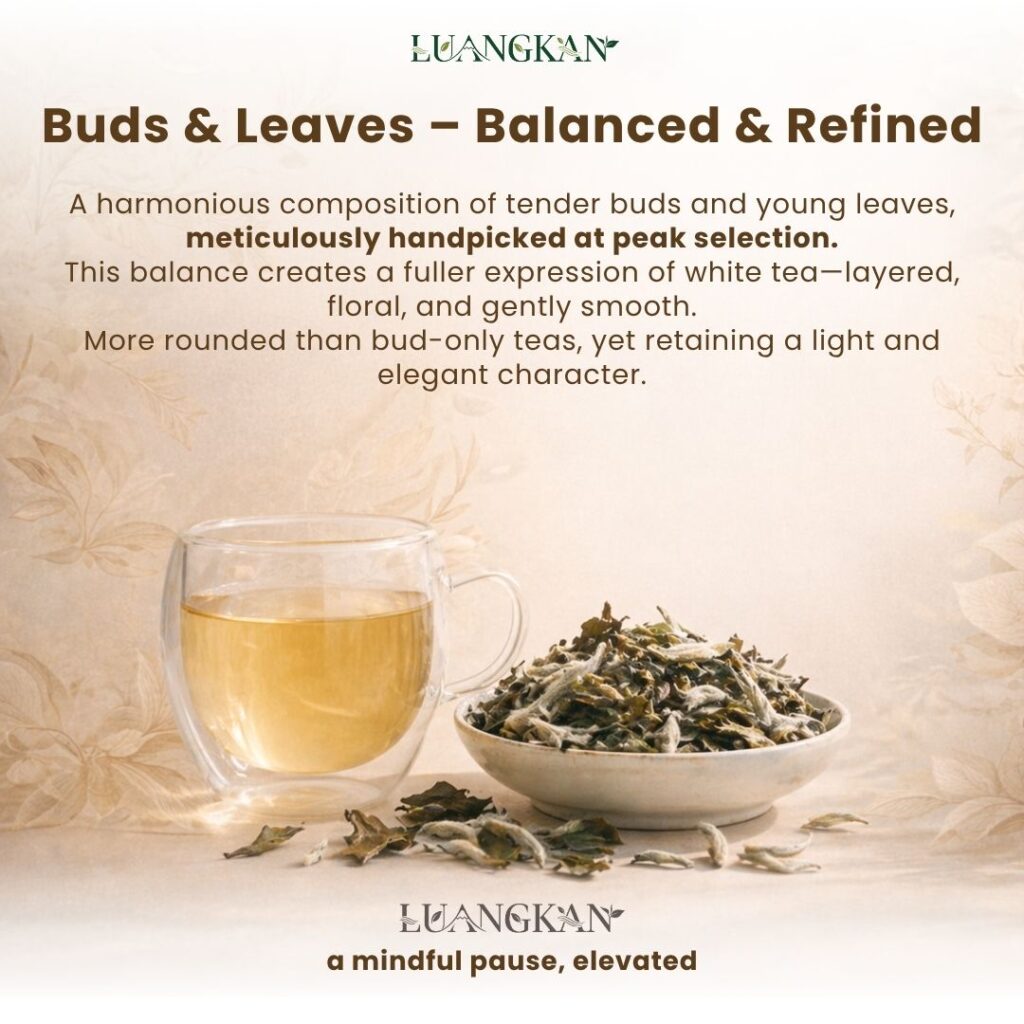
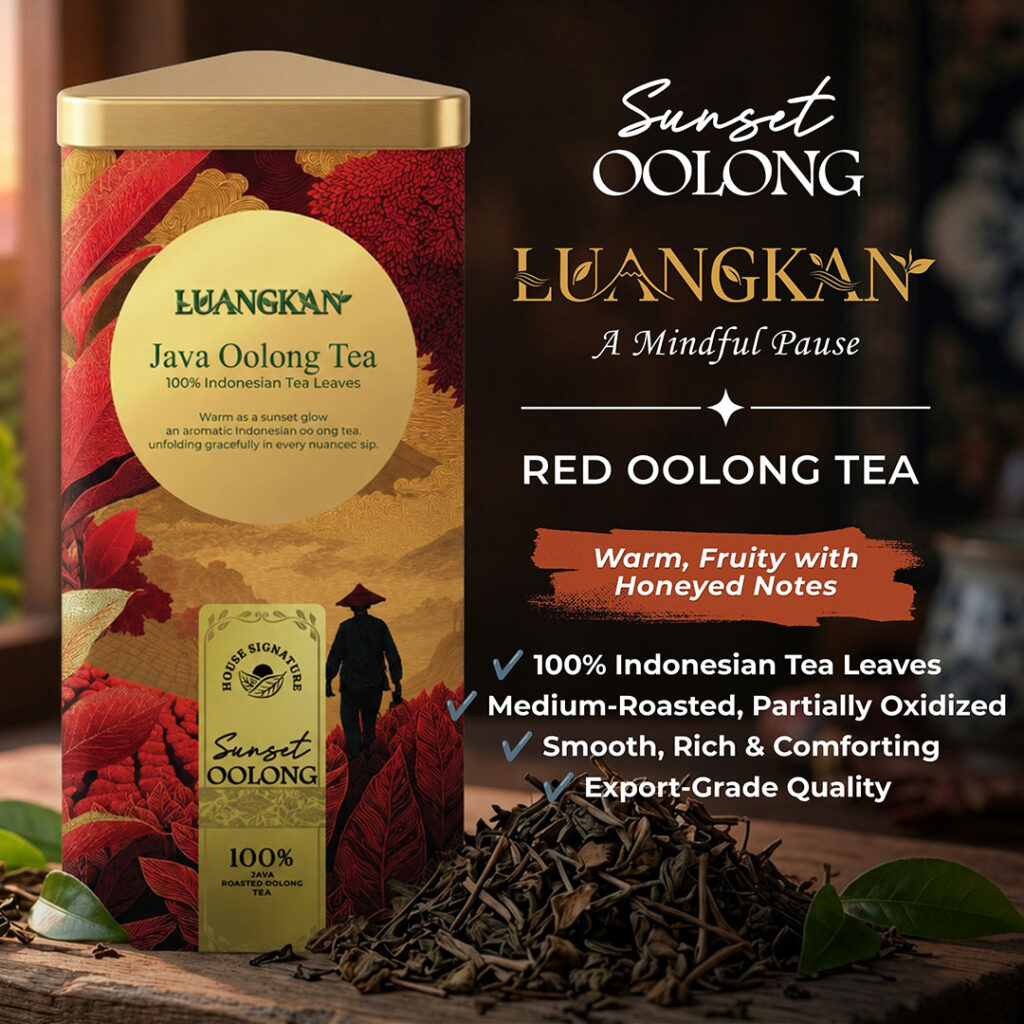
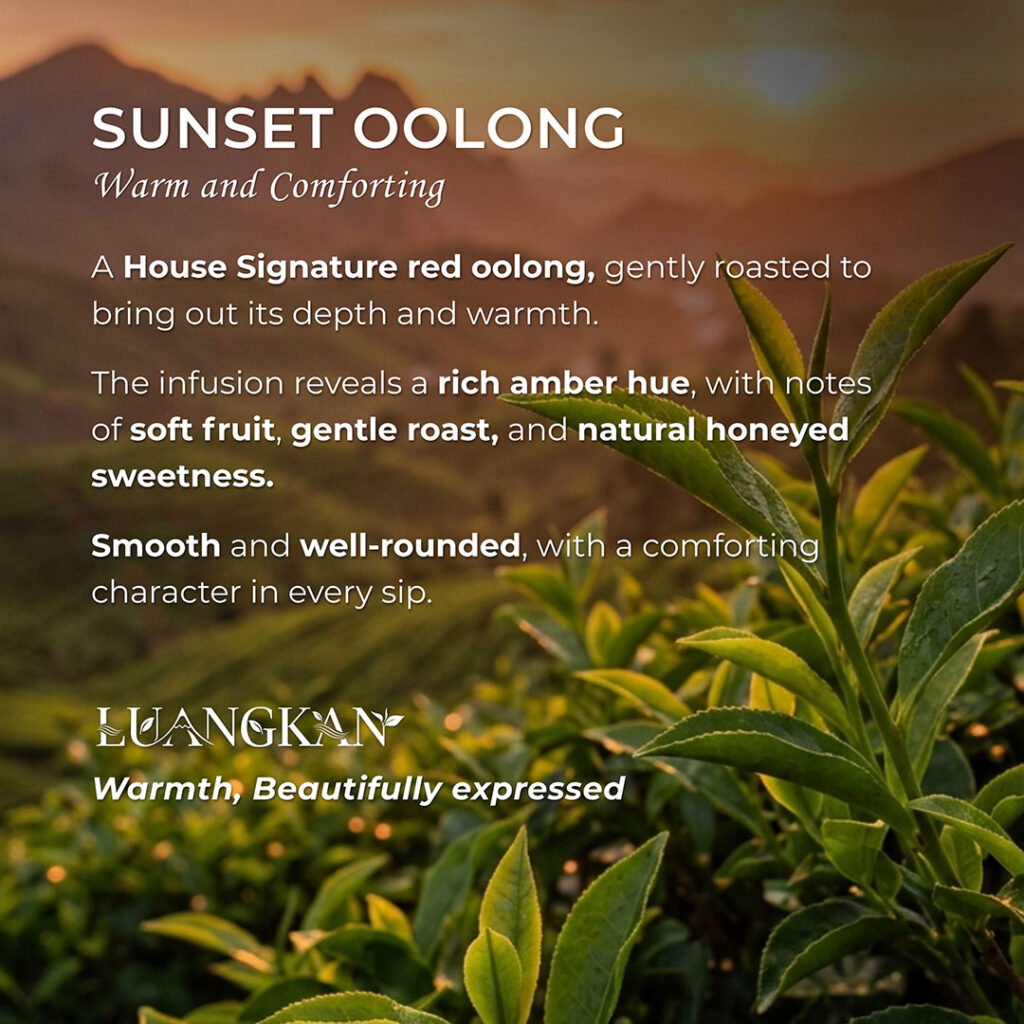
Among them is LUANGKAN Tea.
As an owner and operator of tea estates across West Java, including a historic estate connected to the Kerkhoven era of tea cultivation, LUANGKAN represents a quality-first approach to Indonesian tea.
Rather than focusing solely on output, LUANGKAN emphasizes:
- Selective harvesting
- Premium leaf selection
- Estate heritage
- Consistent quality
- Origin character
Today, teas produced by LUANGKAN are supplied to several international tea brands and featured within selected premium tea collections, reflecting the growing recognition of high-quality Indonesian tea in global markets.
The Secret Is Getting Harder to Keep
The qualities that make Indonesian tea remarkable are not new.
The volcanic soils were already there.
The historic estates were already there.
The expertise was already there.
The tea was already there.
What is changing is awareness.
As more buyers, tea professionals, hospitality groups, and consumers discover the depth, diversity, and heritage of Indonesian tea, its reputation is beginning to catch up with reality.
For generations, Indonesian tea has been one of the tea industry’s best-kept secrets.
That secret may not remain hidden for much longer.
About LUANGKAN Tea
LUANGKAN Tea proudly owns and operates tea estates across West Java, combining generations of tea-growing expertise with modern standards of quality, consistency, and authenticity.
Through a commitment to origin, craftsmanship, and premium tea production, LUANGKAN brings the finest of Indonesian tea to customers and partners around the world.