
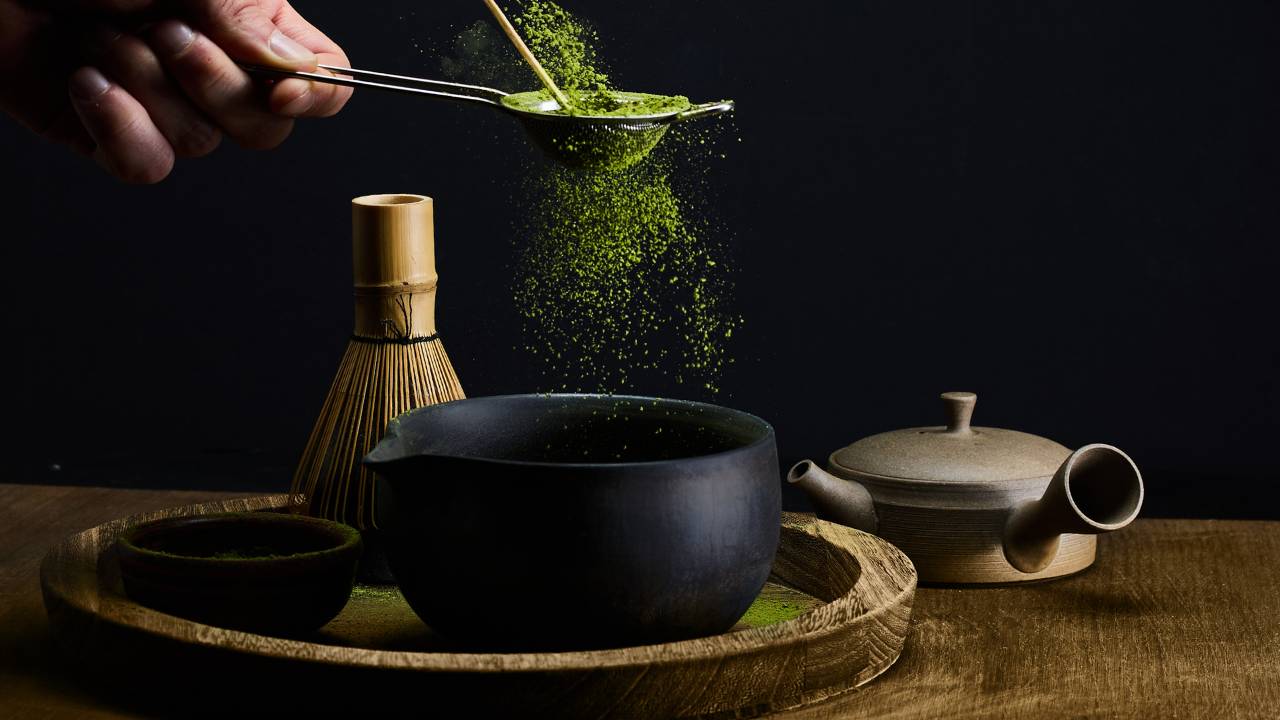
Japanese green tea is among the most respected tea traditions in the world.
Although all Japanese green teas originate from the same plant species, Camellia sinensis, differences in cultivation, shading, steaming, roasting, and finishing techniques create remarkably different drinking experiences.
From the everyday freshness of Sencha to the rich umami of Gyokuro and the roasted warmth of Hojicha, each tea represents a unique expression of Japanese tea craftsmanship.
Understanding these differences is the key to appreciating the diversity of Japanese green tea.
What Does “Ocha” Mean?
In Japanese, ocha (お茶) simply means tea.
However, because green tea is the most commonly consumed tea in Japan, the word ocha is often associated with green tea in everyday conversation.
You may also encounter the term ryokucha (緑茶), which literally means “green tea.” Matcha, Sencha, Gyokuro, Genmaicha, Hojicha, Bancha, and Kabusecha are all examples of Japanese green tea, or ryokucha.
What Makes Japanese Green Tea Different?
The defining characteristic of Japanese green tea is steaming.
Shortly after harvest, freshly picked tea leaves are exposed to steam to halt oxidation. This process preserves the leaf’s natural green color and helps create the fresh, vegetal, and umami-rich character associated with Japanese tea.
This differs from many Chinese green teas, which are typically pan-fired in heated woks or roasting machines. While Chinese green teas often develop nutty, toasted, and mellow notes, Japanese green teas are generally known for their vibrant freshness and savory depth.
Another important feature of Japanese tea production is shading.
Certain premium teas are grown under shade for several weeks before harvest. This practice increases amino acids such as L-theanine while reducing the conversion of these compounds into catechins, resulting in greater sweetness, reduced astringency, and enhanced umami.
This is one of the primary reasons why Matcha and Gyokuro are known for their rich umami character and smooth mouthfeel compared with many sun-grown teas.
These cultivation and processing methods have helped define the distinctive identity of Japanese green tea.
Matcha
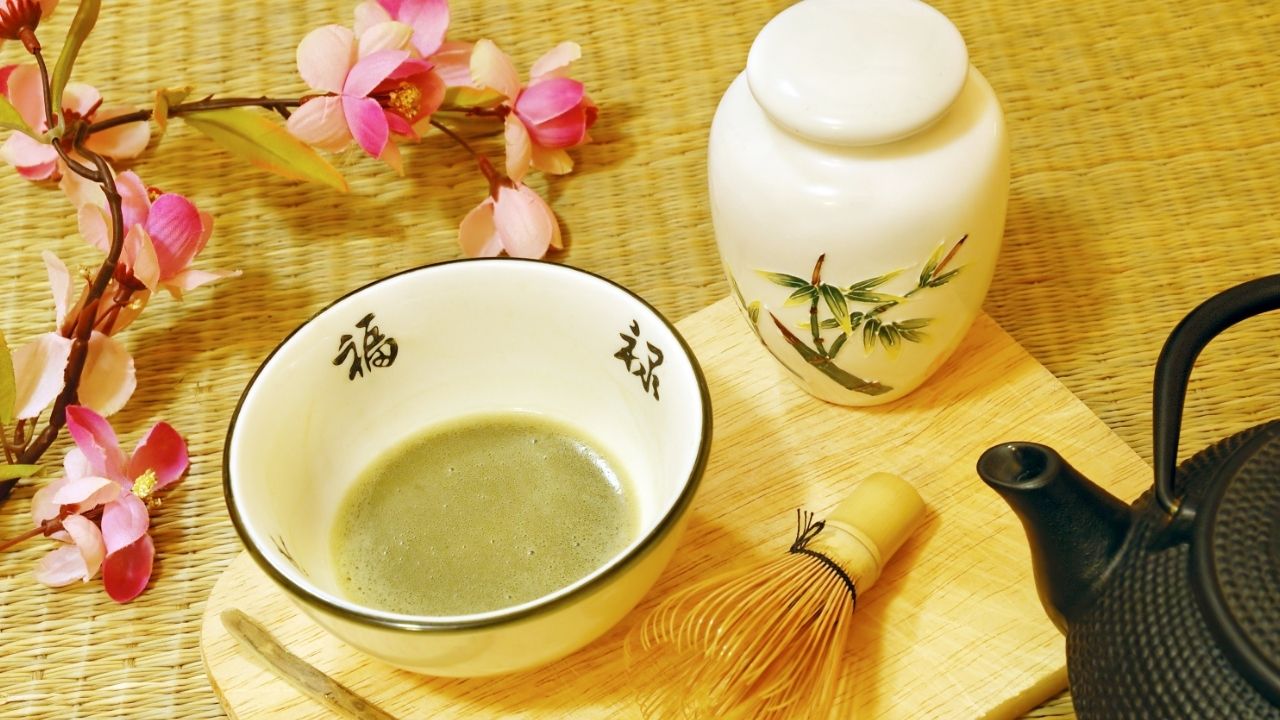
Matcha is one of Japan’s most famous and recognizable teas.
The tea plants are shaded for approximately three to four weeks before harvest. This encourages the development of chlorophyll and amino acids, contributing to Matcha’s vivid green color and rich umami character.
After harvesting, the leaves are steamed and processed into a material known as Tencha. During this process, stems and veins are removed before the leaf material is carefully dried.
The Tencha is then ground into an exceptionally fine powder.
Unlike traditional loose-leaf tea, Matcha is whisked directly into water, meaning the entire leaf is consumed rather than infused and discarded.
Matcha is known for:
- Intense green color
- Rich umami
- Creamy texture
- Concentrated flavor
Today, Matcha is enjoyed both traditionally and in modern beverages, desserts, and culinary applications.
Sencha
Sencha is the most widely consumed tea in Japan and accounts for the majority of Japanese tea production.
Unlike Matcha and Gyokuro, Sencha is generally grown under full sunlight.
Sencha is typically produced from younger and more tender leaves harvested during the primary growing season. These younger leaves naturally contain higher levels of amino acids, contributing to the tea’s freshness, sweetness, and balanced umami character.
After harvest, the leaves are steamed, rolled into characteristic needle-like shapes, and dried.
Sencha is appreciated for:
- Fresh vegetal character
- Mild sweetness
- Balanced umami
- Refreshing finish
- Pleasant briskness
Because of its versatility and approachable flavor profile, Sencha is often considered the ideal introduction to Japanese tea.
Gyokuro
Gyokuro, meaning “Jade Dew,” is one of Japan’s most prestigious loose-leaf teas.
Like Matcha, Gyokuro is shade-grown before harvest, typically for around three weeks.
However, instead of being processed into Tencha and ground into powder, the leaves are kept whole and rolled into fine, dark green needles.
The extended shading period increases amino acids and contributes to Gyokuro’s signature character.
Gyokuro is prized for:
- Rich umami
- Natural sweetness
- Smooth texture
- Long lingering finish
- Complex aroma
Compared with Sencha, Gyokuro generally delivers a more concentrated and luxurious tea experience.
For this reason, it is often brewed at lower temperatures, typically between 50°C and 60°C, to highlight its sweetness and umami while minimizing bitterness.
Genmaicha
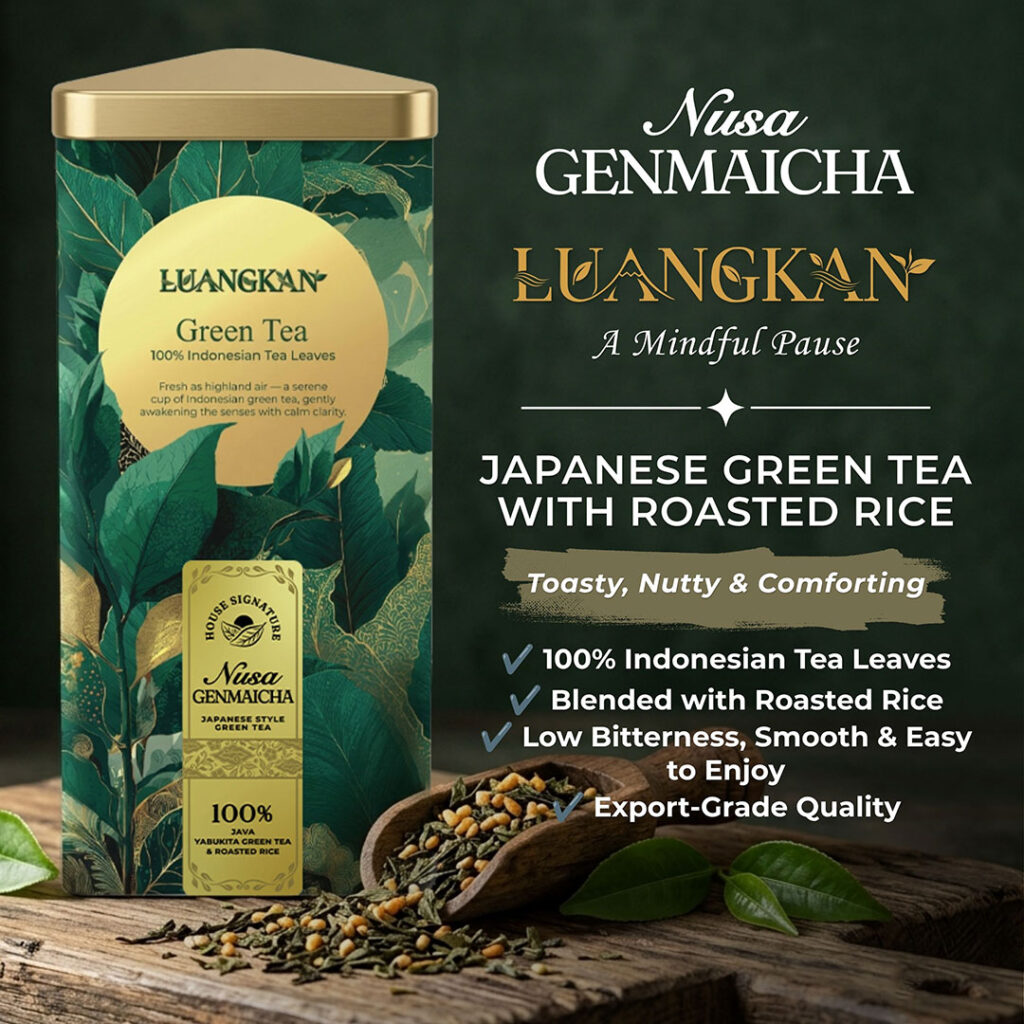
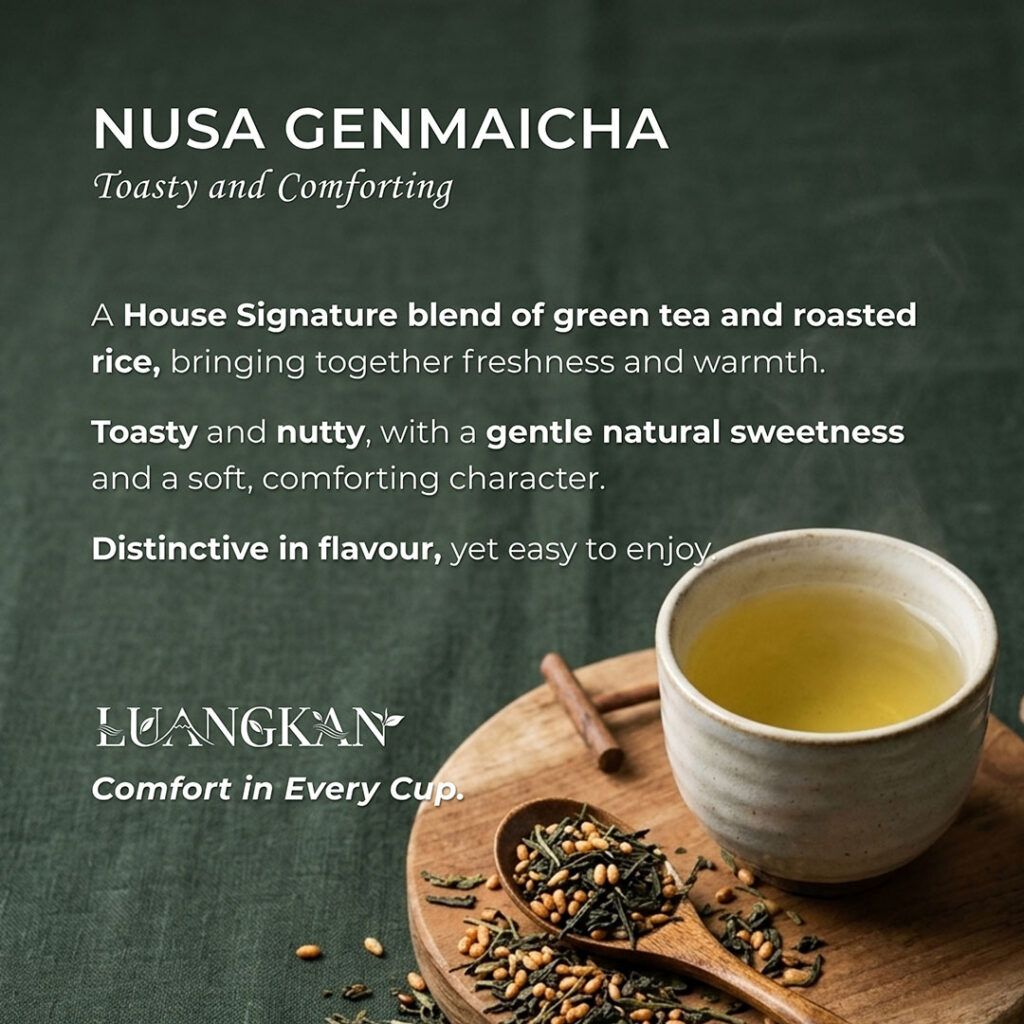
Genmaicha is a blend of green tea and roasted brown rice.
The tea base is commonly Sencha or Bancha, while the roasted rice contributes warmth and a distinctive nutty aroma.
Historically, Genmaicha was valued as an economical everyday tea because the rice helped extend the tea supply. Today, it is appreciated for its unique flavor profile and broad appeal.
Genmaicha is known for:
- Toasted grain notes
- Nutty character
- Gentle sweetness
- Low perceived bitterness
- Smooth finish
Its approachable flavor profile has made it popular among both new and experienced tea drinkers.
Hojicha
Hojicha is unique among Japanese green teas because it undergoes roasting after processing.
It is commonly produced using Bancha, Kukicha, or a combination of both. Some producers intentionally include stems because they contribute natural sweetness and help create a smoother roasted profile.
The tea is roasted at high temperatures, transforming both its appearance and flavor.
This roasting process reduces many of the grassy and vegetal characteristics typically associated with green tea and creates a distinctly different drinking experience.
Hojicha is known for:
- Roasted aroma
- Nutty notes
- Caramel-like sweetness
- Smooth finish
- Lower perceived bitterness
Because Hojicha is often made from more mature leaves and stems, it is often lower in caffeine than many other Japanese green teas, although it is not caffeine-free.
Despite its reddish-brown appearance, Hojicha remains a green tea because oxidation is halted before the roasting stage.
Its comforting character has made it increasingly popular both as a traditional tea and as a modern latte ingredient.
Other Japanese Green Teas
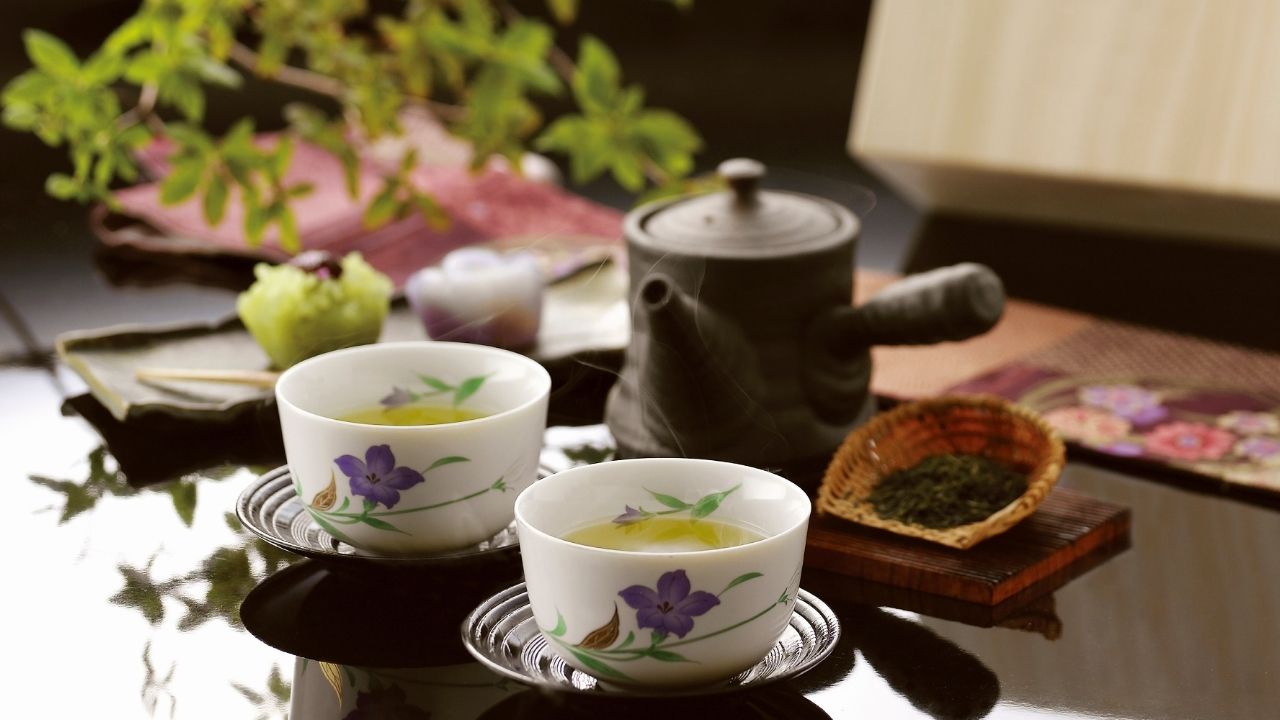
While Matcha, Sencha, Gyokuro, Genmaicha, and Hojicha are the most widely known, Japan also produces several other notable green teas.
Bancha
Bancha is harvested later in the season than Sencha and is generally produced from larger, more mature leaves remaining after the premium Sencha harvests.
Because the leaves are older and more mature, Bancha typically contains less sweetness and umami than Sencha while offering a milder, more earthy character.
Compared with Sencha, Bancha is often:
- Less umami-rich
- Lower in sweetness
- More earthy
- More approachable in price
Because of its affordability and gentle character, Bancha is widely consumed as an everyday household tea in Japan.
Bancha also serves as a common base material for Hojicha and some Genmaicha blends, where its mature leaf character responds particularly well to roasting.
Kukicha
Kukicha is produced primarily from stems, stalks, and leaf veins rather than full tea leaves.
It is known for its naturally sweet, mild character and lower caffeine content compared with many leaf-based teas.
Kabusecha
Kabusecha is partially shaded before harvest, placing it between Sencha and Gyokuro in both cultivation method and flavor profile.
It offers a balance of freshness, sweetness, and umami.
Which Japanese Green Tea Should You Choose?
| Tea | Best For |
|---|---|
| Matcha | Ceremonial use, lattes, and culinary applications |
| Sencha | Everyday drinking |
| Gyokuro | Premium tea experiences |
| Genmaicha | Smooth, nutty daily drinking |
| Hojicha | Roasted flavor lovers |
| Bancha | Affordable everyday tea |
| Kukicha | Light and naturally sweet tea |
| Kabusecha | Balanced umami and freshness |
There is no single “best” Japanese tea.
The ideal choice depends on your personal preferences and the type of tea experience you are seeking.
Brewing Japanese Green Tea
Sencha
- 65–75°C
- 1.5–2 minutes
Gyokuro
- 50–60°C
- 2–3 minutes
Genmaicha
- 75–85°C
- 1–2 minutes
Hojicha
- 85–95°C
- 30–60 seconds
Using water that is too hot can increase bitterness and reduce the delicate sweetness and umami that premium Japanese teas are known for.
Final Thoughts
Japanese green tea represents one of the world’s most refined tea traditions.
Whether you prefer the vibrant intensity of Matcha, the refreshing balance of Sencha, the luxurious umami of Gyokuro, the comforting warmth of Genmaicha, or the roasted character of Hojicha, each style offers a unique expression of Japanese tea craftsmanship.
Understanding these differences allows tea drinkers to explore Japanese tea with greater confidence and appreciation.