
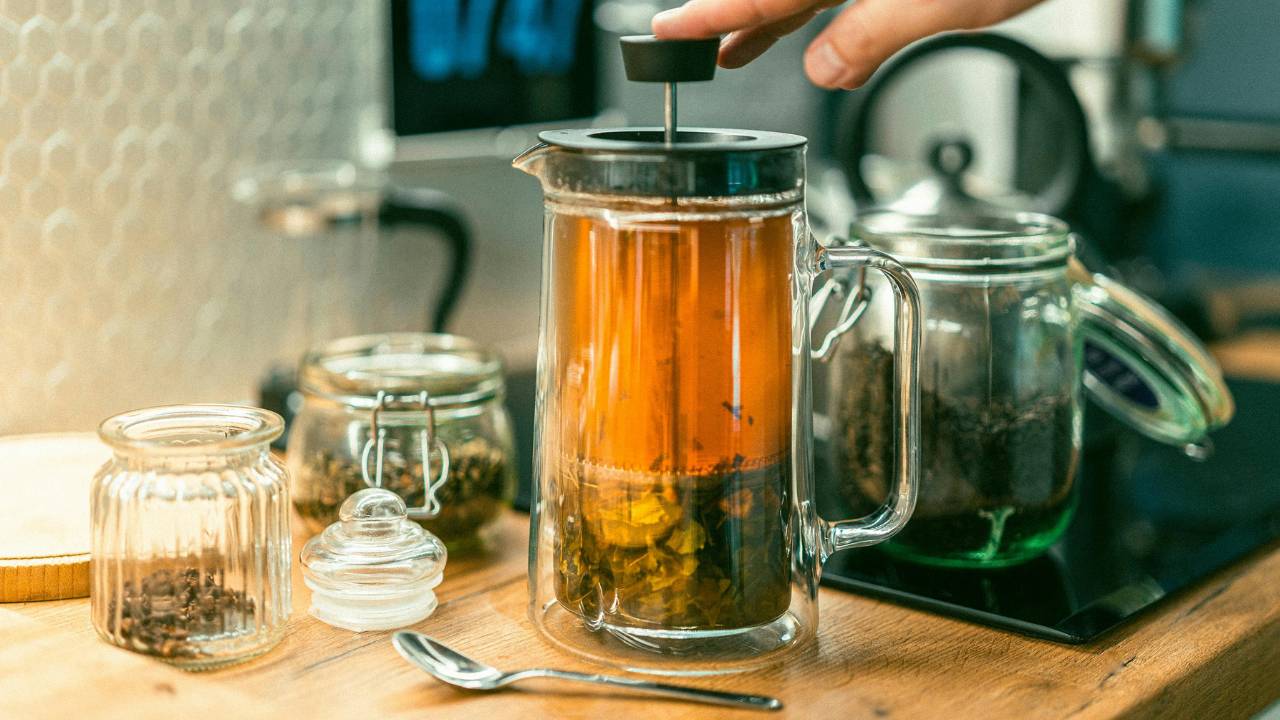
Even the finest tea can taste disappointing when brewed incorrectly.
Tea brewing is more than simply pouring hot water over leaves. Water quality, temperature, brewing time, and leaf ratio all influence the final cup.
Understanding these fundamentals helps unlock the sweetness, aroma, body, and complexity hidden within the leaf.
The Four Foundations of Great Tea Brewing
Every successful cup of tea depends on four key factors:
- Tea-to-water ratio
- Water temperature
- Water quality
- Brewing time
When these elements are balanced correctly, tea expresses its intended character.
The Invisible Solvent: Understanding TDS and pH
Water makes up more than 98% of a brewed cup of tea. Therefore, the quality of your water largely determines the quality of your tea.
Two of the most important measurements are Total Dissolved Solids (TDS) and pH.
Understanding TDS
TDS measures the concentration of dissolved minerals, salts, and metals in water, expressed in parts per million (ppm).
These minerals directly influence how effectively water extracts flavor compounds from tea leaves.
Ideal TDS for Tea
For most premium teas, the preferred range is:
50–150 ppm TDS
Many tea professionals consider:
70–120 ppm TDS
to be the sweet spot.
The Impact of High TDS (Hard Water)
If you use tap water or mineral-rich water with a TDS above 200 ppm, the water is already carrying a heavy mineral load.
It simply has less chemical room to dissolve the flavors from the tea leaf.
The result is often:
- Flat flavor
- Muted aroma
- Murky appearance
- Reduced clarity
- Oily film or scum on the surface
The tea may look acceptable, but much of its aroma and complexity never make it into the cup.
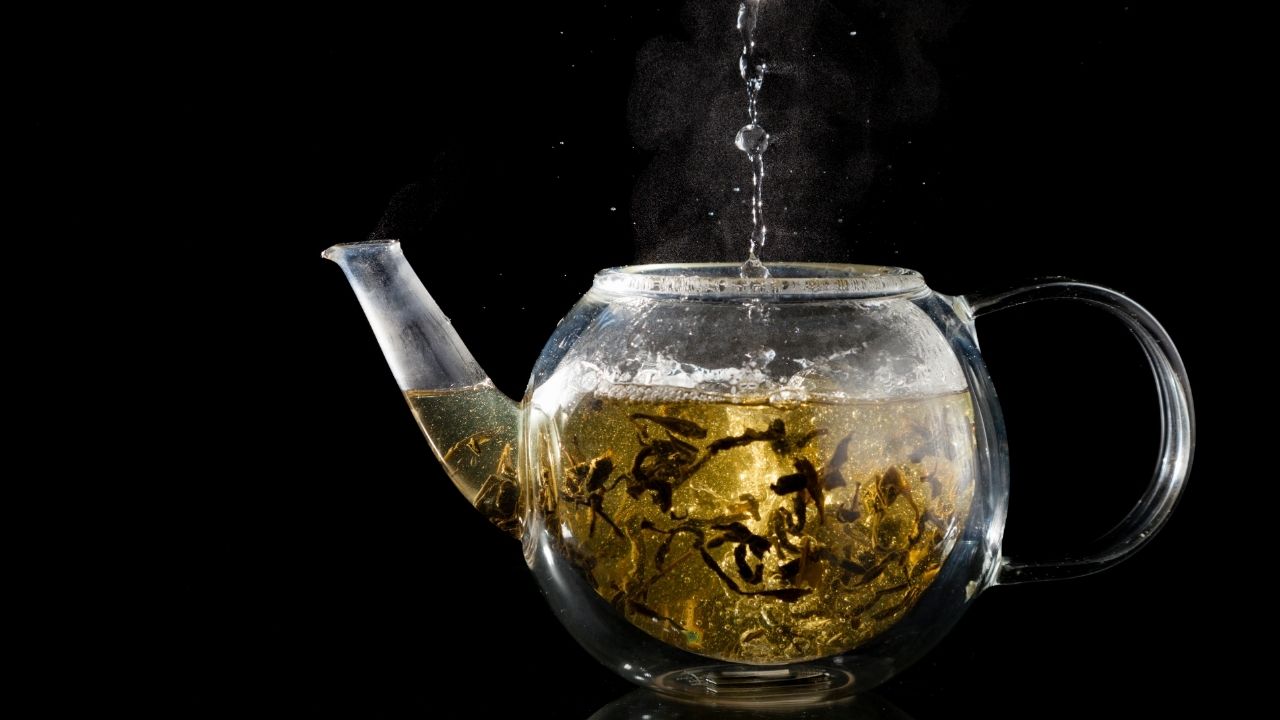
The Impact of Low TDS (Distilled or RO Water)
If you use pure Reverse Osmosis (RO) or distilled water with a TDS near 0 ppm, the water becomes too aggressive.
It over-extracts everything from the leaf too quickly, making the tea taste:
- Bitter
- Metallic
- Sharp
Instead of producing a cleaner cup, ultra-pure water often creates a harsher and less balanced tea.
Understanding pH
pH measures how acidic or alkaline water is on a scale from 0 to 14.
Many of the compounds responsible for sweetness, aroma, bitterness, and astringency are sensitive to pH levels.
Ideal pH for Tea
Most teas perform best at:
pH 6.5–7.5
This near-neutral range allows sweetness, aroma, and body to remain balanced.
The Impact of Alkaline Water (pH Above 8)
Highly alkaline water makes it harder for water to pull aroma from the leaf.
It also darkens the liquor prematurely.
The tea may look darker than expected, but often tastes:
- Weak
- Flat
- Dull
- Hollow
The Impact of Acidic Water (pH Below 6)
Highly acidic water can destabilize important antioxidant compounds and exaggerate harsh flavors.
The result may be:
- Sharp
- Sour
- Excessively astringent
The liquor may also appear unusually pale.
For most teas, neutral water produces the best balance of flavor, aroma, and body.
ISO 3103: The Professional Tea Tasting Standard
Professional tea buyers, exporters, brokers, and quality control teams commonly evaluate tea using ISO 3103, the international standard for tea sensory evaluation.
The standard specifies:
2 grams tea per 100 ml water
This method is designed to maximize extraction and reveal both strengths and defects within the leaf.
It allows teas from different origins, harvests, and grades to be compared consistently.
However, it is not necessarily the ideal ratio for everyday drinking.
Everyday Brewing Guide
White Tea
- 1.5 g tea per 100 ml
- 75–80°C
- 4–5 minutes
Green Tea
- 1.5 g tea per 100 ml
- 75–80°C
- 2–3 minutes
Sencha
- 1.5 g tea per 100 ml
- 65–75°C
- 1.5–2 minutes
Genmaicha
- 1.5 g tea per 100 ml
- 75–85°C
- 1–2 minutes
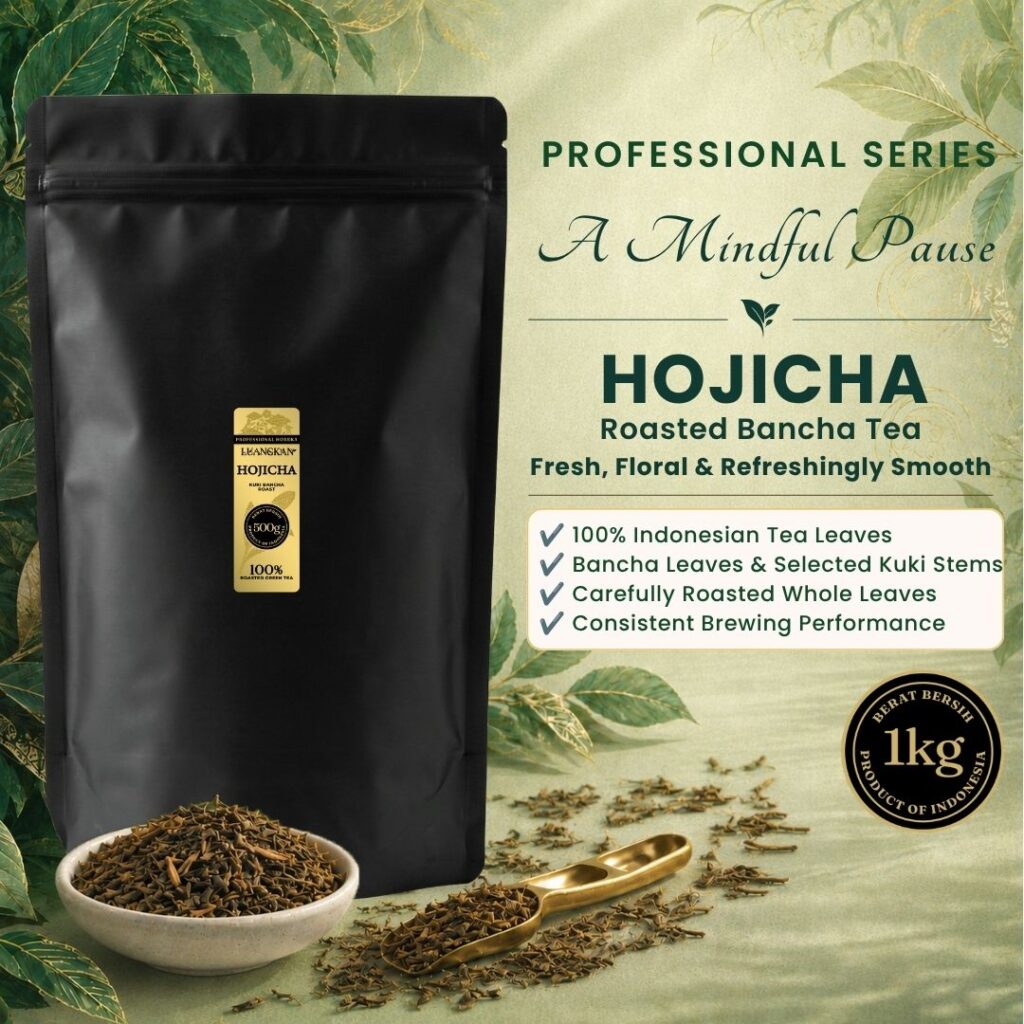
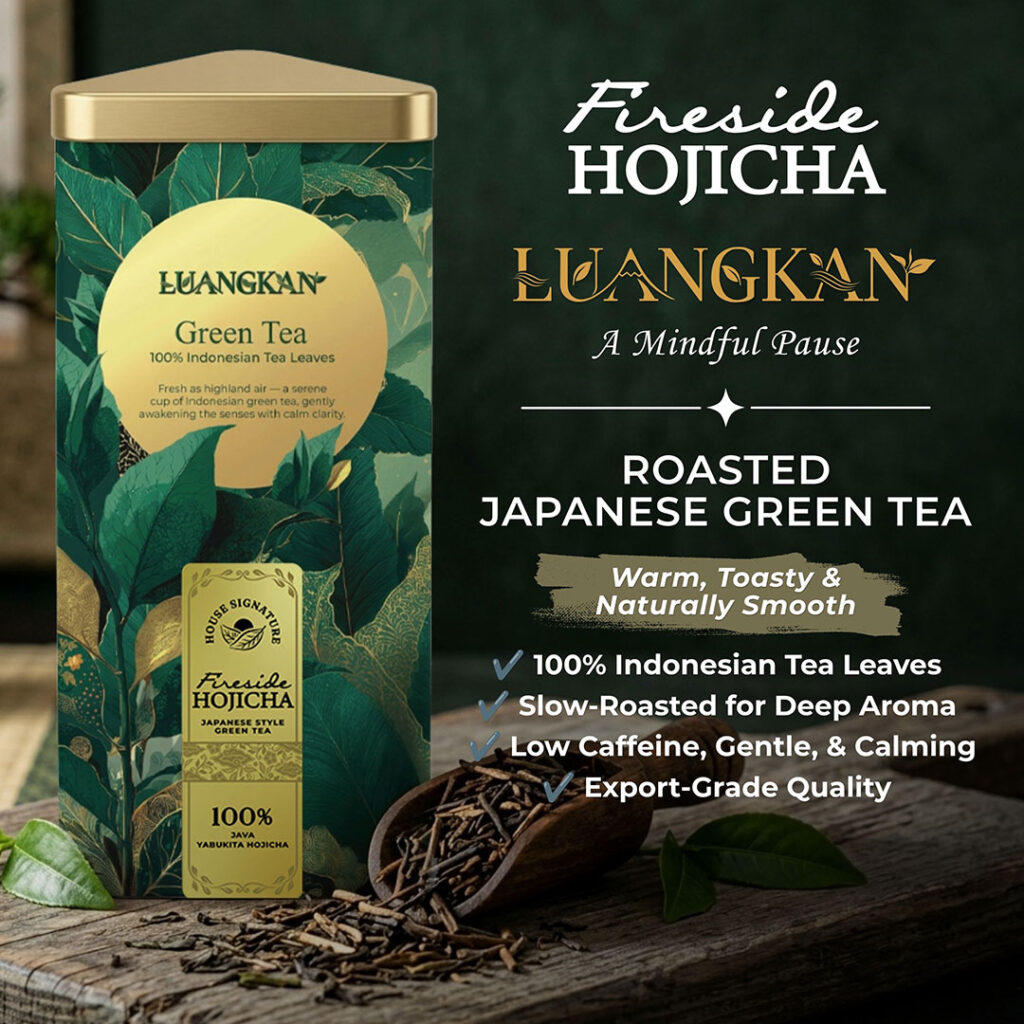
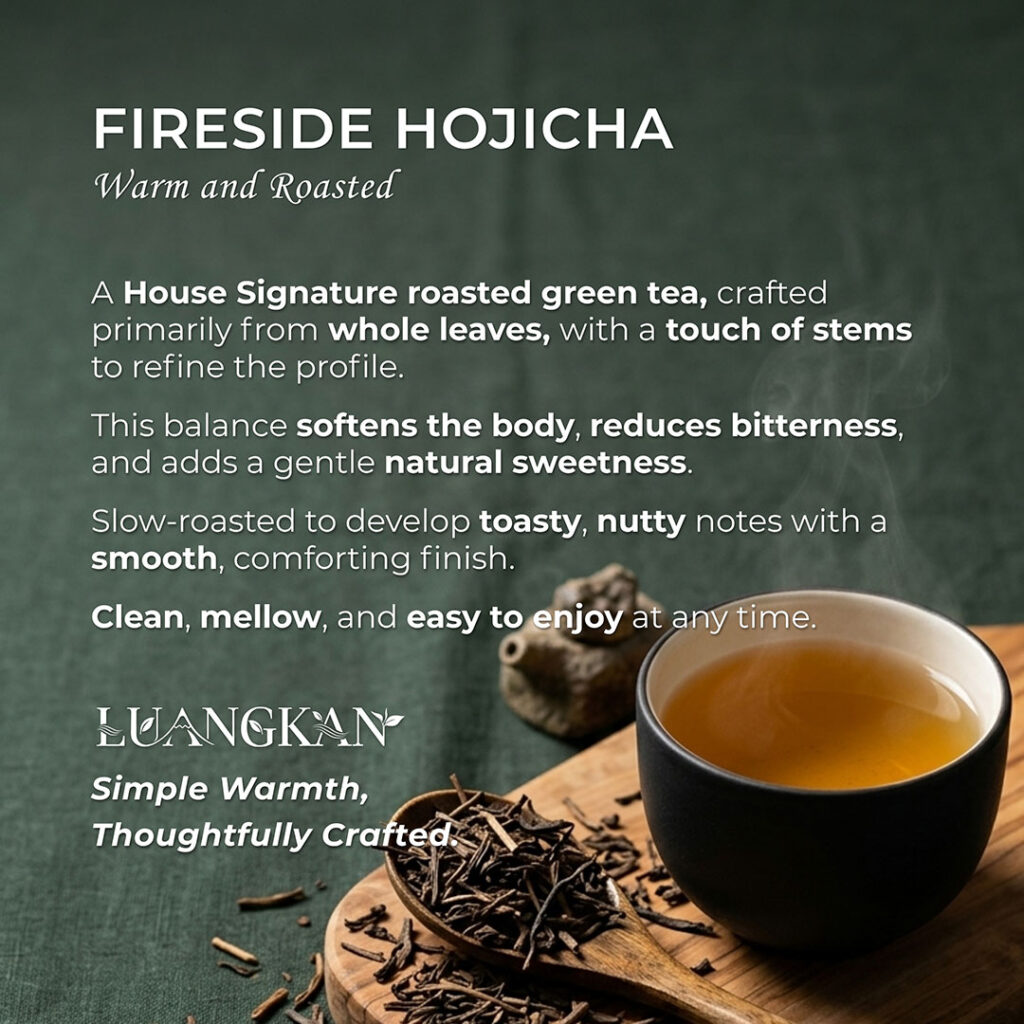
Hojicha
- 1.5–2 g tea per 100 ml
- 85–95°C
- 30–60 seconds
Oolong Tea
- 2 g tea per 100 ml
- 85–95°C
- 3–5 minutes
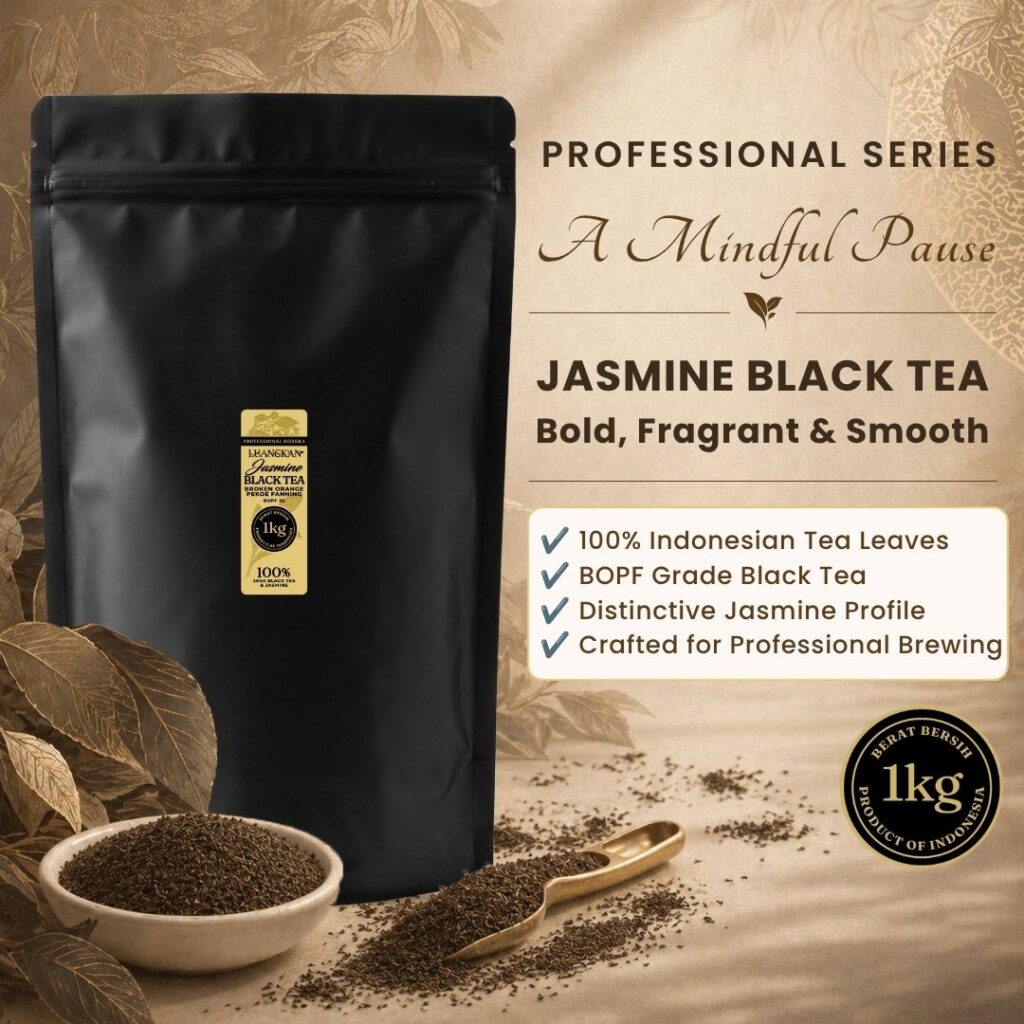
Black Tea
- 1.5–2 g tea per 100 ml
- 90–100°C
- 3–5 minutes
The Science of Cold Brew Tea
Cold brewing uses time rather than heat to extract flavor.
The result is often smoother, sweeter, and less astringent than hot-brewed tea.
Cold brewing does not eliminate caffeine. However, bitterness and astringency are generally extracted more slowly than in hot brewing.
Recommended Cold Brew Ratios
White Tea
- 10–12 g per liter
- 6–8 hours
Green Tea
- 10–15 g per liter
- 6–8 hours
Oolong Tea
- 15–20 g per liter
- 10–12 hours
Black Tea
- 15–20 g per liter
- 10–12 hours
Always brew under refrigeration.
HORECA Brewing Systems
Different operations require different brewing methods depending on service style, speed requirements, and cost targets.
System A: Direct Service
Recommended for:
- Hotels
- Restaurants
- Tea Houses
- Afternoon Tea Service
A common starting point is:
15 grams tea per liter
Operators may adjust this ratio according to tea style, leaf grade, and desired serving strength.
System B: Tea Concentrate
Recommended for:
- Iced Tea Programs
- Milk Tea
- Signature Tea Beverages
- High-volume cafés
Ratio:
60 grams tea per liter
Dilution:
1 part concentrate : 3 parts water or melted ice
Example:
- 50 ml concentrate
- 150 ml water
or
- 50 ml concentrate
- 150 g ice
System C: Cost-Efficient Ready-to-Drink Method
Commonly used by:
- Food courts
- Fast-food stalls
- Budget beverage programs
Recipe:
- 5 g tea
- 1 liter boiling water
Allow the tea to steep until completely cool before straining.
This method maximizes color and bitterness while minimizing tea usage. It is primarily used for sweet iced tea rather than premium tea service.
Best suited for:
- Broken Tea
- BOP
- BOPF
- PF
- Fannings
- Dust
Comparing HORECA Brewing Systems
System A (Direct Service)
- 15 g tea per liter
- 1 kg tea produces approximately 66 liters
- Approximately 190 cups at 350 ml
System C (Cost-Efficient Method)
- 5 g tea per liter
- 1 kg tea produces approximately 200 liters
- Approximately 571 cups at 350 ml
System C can produce roughly three times more servings from the same amount of tea, but at the cost of increased bitterness, heavier sweetening requirements, and reduced flavor complexity.
Tea Holding Guidelines
The 6–8 Hour Quality Window
For best flavor quality, many operators aim to use brewed tea and tea concentrates within 6–8 hours.
Understanding Creaming Down
As tea cools, caffeine and polyphenols may bind together and create a cloudy appearance.
This natural phenomenon is known as creaming down.
It affects appearance but does not necessarily indicate spoilage.
Common Tea Brewing Mistakes
Using Boiling Water for Green Tea
Excessive heat can destroy delicate aromas and create unnecessary bitterness.
Using Distilled or Extremely Low-TDS Water
Water with too few minerals can produce tea that tastes harsh and unbalanced.
Over-Steeping
Long steeping times often extract excessive bitterness and astringency.
Using Too Little Tea
Many weak cups are caused by insufficient leaf quantity rather than poor tea quality.
Ignoring Water Quality
Even premium tea cannot compensate for unsuitable TDS levels or pH.
Final Thoughts
Great tea is the result of both quality leaves and proper brewing.
Even the world’s finest tea cannot perform well with unsuitable water chemistry, incorrect temperatures, or excessive steeping.
By understanding water quality, temperature, brewing ratios, and extraction methods, tea drinkers can consistently achieve better results from every cup.