
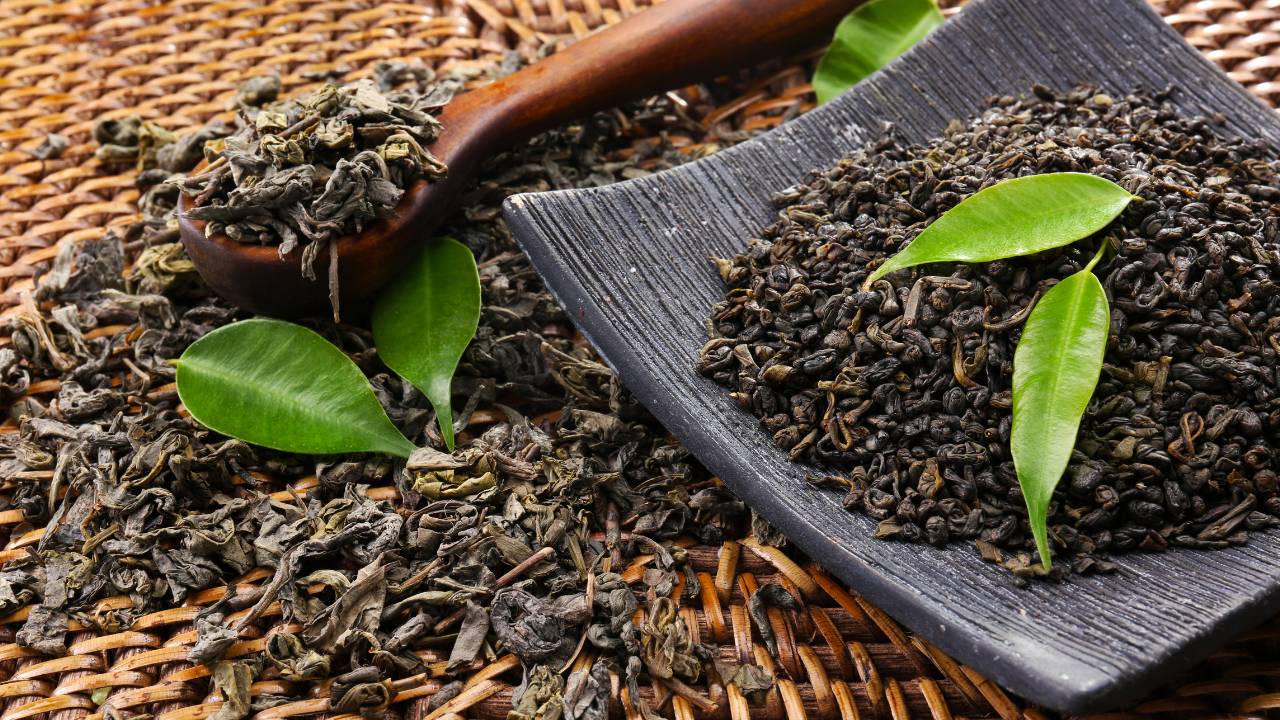
You can buy the finest loose-leaf tea in the world, brew it with perfect water chemistry, and still end up with a disappointing cup.
The reason is often simple: poor storage.
Although tea is a dried product, it remains chemically active. Once a package is opened, the leaves immediately begin reacting with their environment. Over time, aroma compounds fade, flavors become dull, and the tea gradually loses the character intended by the tea maker.
Understanding how tea ages—and how to slow that process—is one of the easiest ways to improve every cup you brew.
The Five Enemies of Tea
Tea has five major enemies:
- Oxygen
- Moisture
- Light
- Heat
- Strong Odors
Oxygen (Oxidation)
Oxygen is the most common cause of stale tea.
Once leaves are exposed to air, aromatic compounds and antioxidants slowly oxidize. Over time, the tea loses brightness, sweetness, and complexity, eventually tasting flat and lifeless.
This effect is especially noticeable in Green Tea and Japanese teas.
Moisture (Humidity)
Tea leaves are highly hygroscopic, meaning they readily absorb moisture from the surrounding air.
Excess humidity dulls flavor, accelerates deterioration, and in severe cases may encourage mold growth. If tea begins to smell musty or loses its crisp texture, moisture is often the culprit.
Light (Photo-Degradation)
Ultraviolet light gradually breaks down chlorophyll, aromatic compounds, and antioxidants.
This is why tea displayed in clear jars near a sunny window often loses quality much faster than tea stored in opaque containers.
Heat (Accelerated Aging)
Heat acts as an accelerator.
Higher temperatures speed up oxidation and cause delicate volatile oils to dissipate more quickly. Even premium tea will age rapidly if stored near a stove, oven, or in direct sunlight.
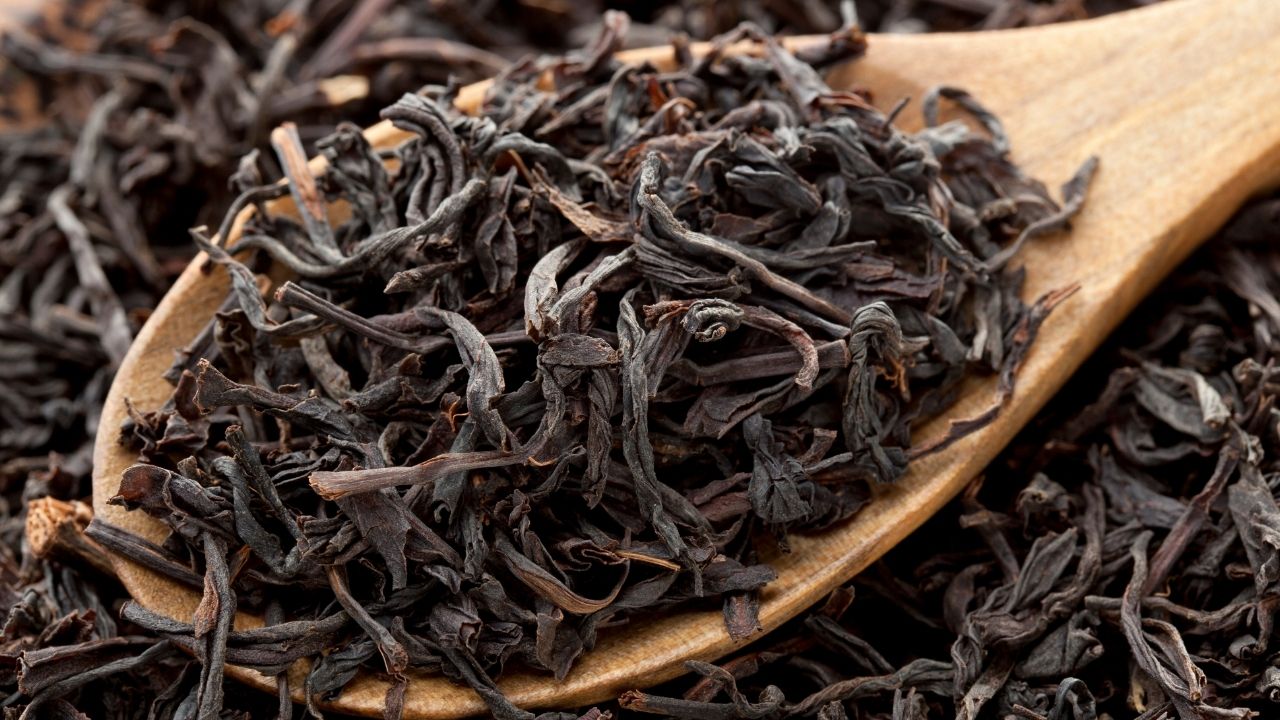
Strong Odors (Cross-Contamination)
Tea readily absorbs surrounding smells.
Coffee, spices, garlic, perfumes, and cleaning products can permanently alter the flavor of loose-leaf tea. Once these odors are absorbed, they are almost impossible to remove.
Does Tea Expire?
Many consumers assume the date printed on tea packaging is an expiration date similar to fresh food.
In reality, most dry tea does not suddenly become unsafe after its “Best Before” date. Instead, it gradually loses aroma, freshness, and flavor.
A properly stored tea may remain drinkable long after the printed date. The bigger concern is not safety, but quality.
How Long Does Tea Stay Fresh?
The answer depends on the type of tea.
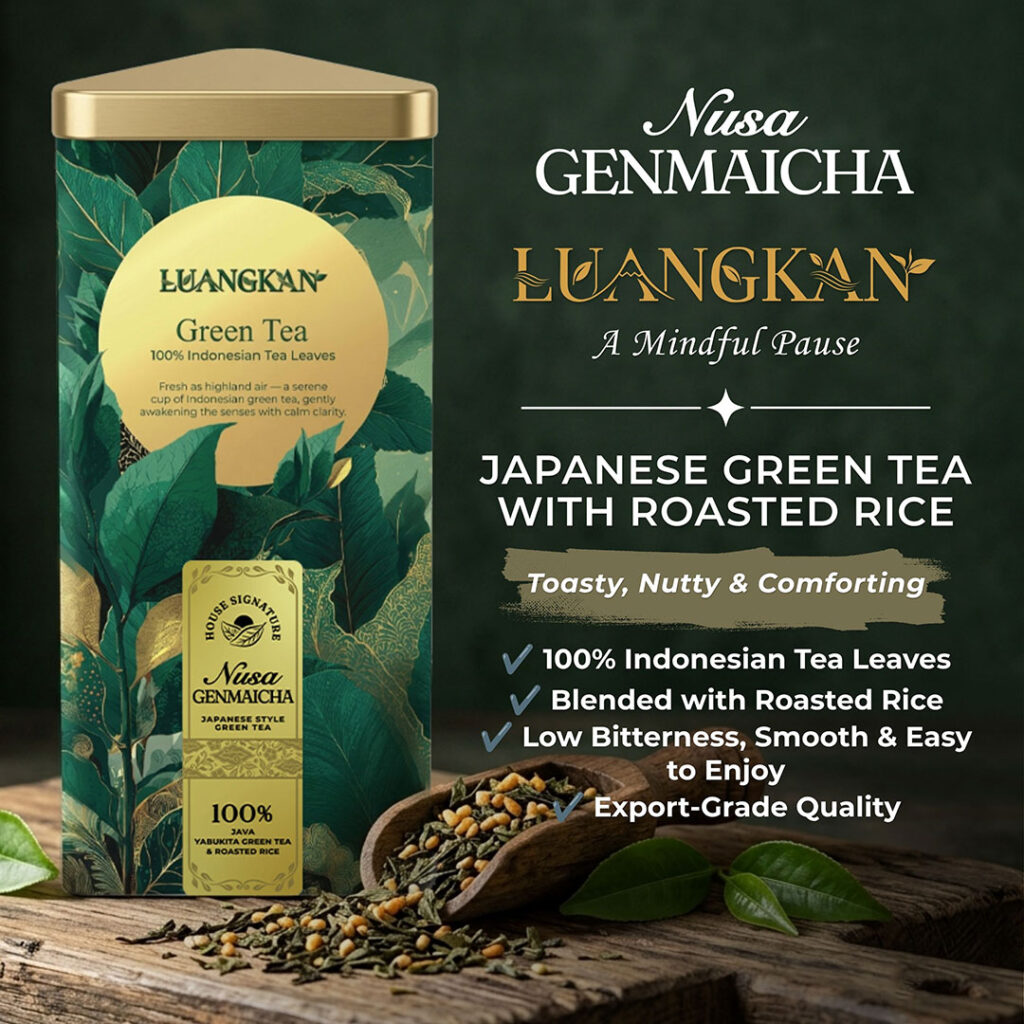
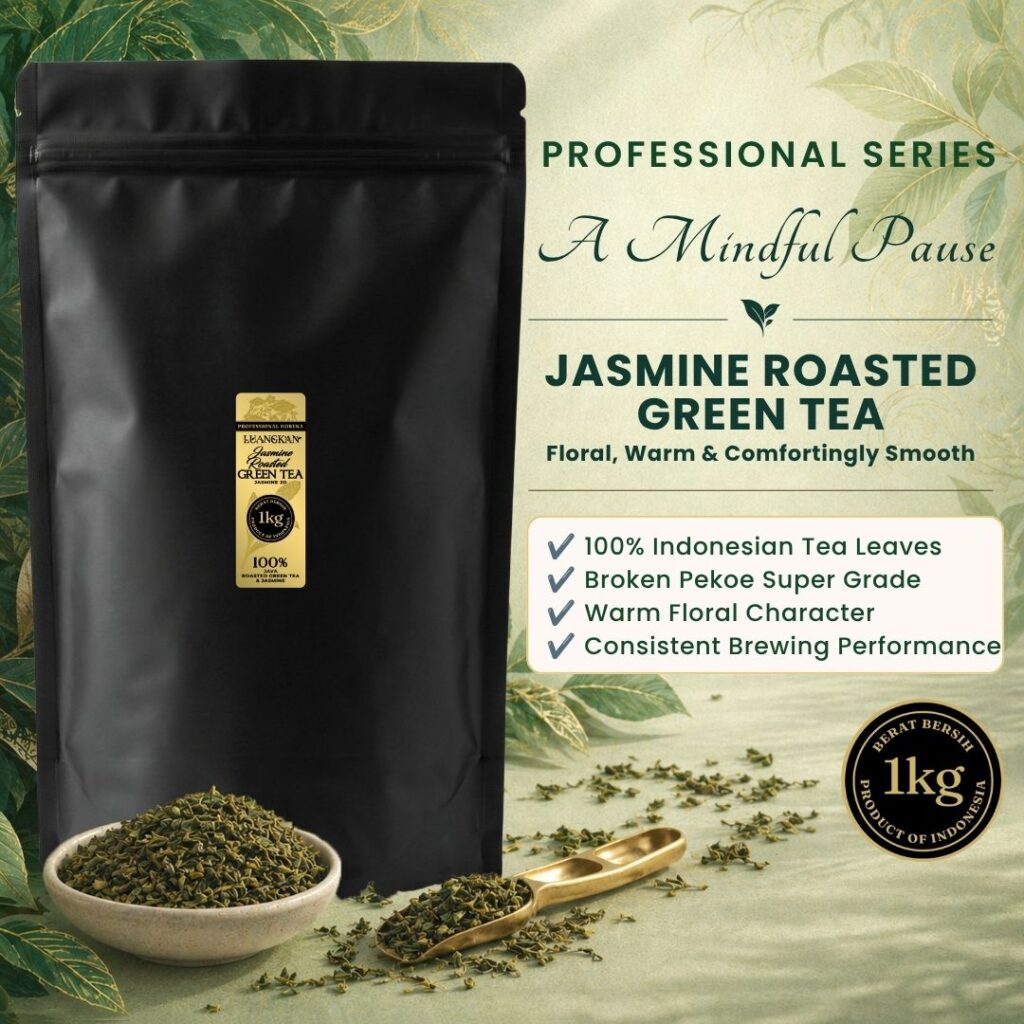
Green Tea & Japanese Green Tea
Examples:
- Sencha
- Gyokuro
- Matcha
- Jasmine Green Tea
Best quality:
6–12 months
These teas depend heavily on fresh aromatic compounds and are generally the most sensitive to aging.
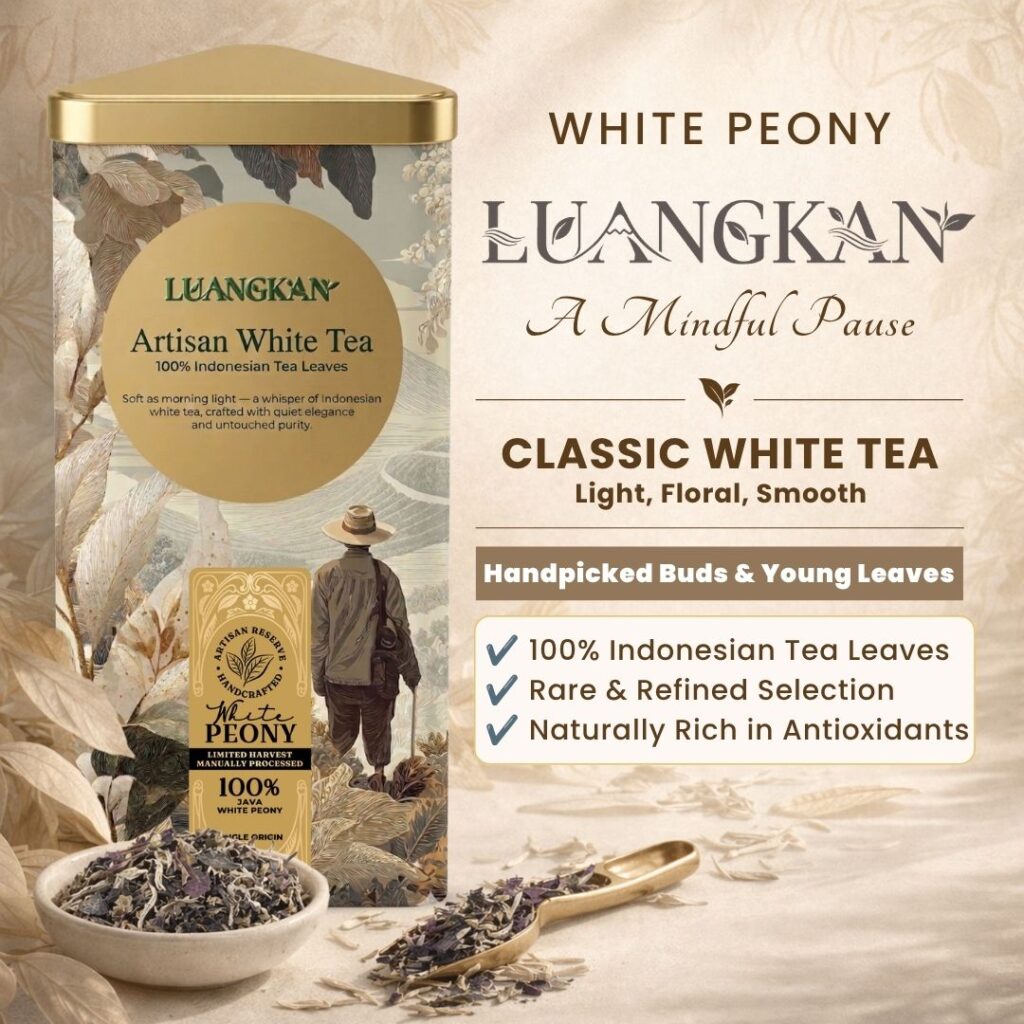
White Tea
Best quality:
1–3 years
White Tea is more stable than Green Tea and may continue developing additional complexity over time.
Oolong Tea
Best quality:
1–2 years
Heavily roasted styles often remain stable longer than lightly oxidized oolongs.
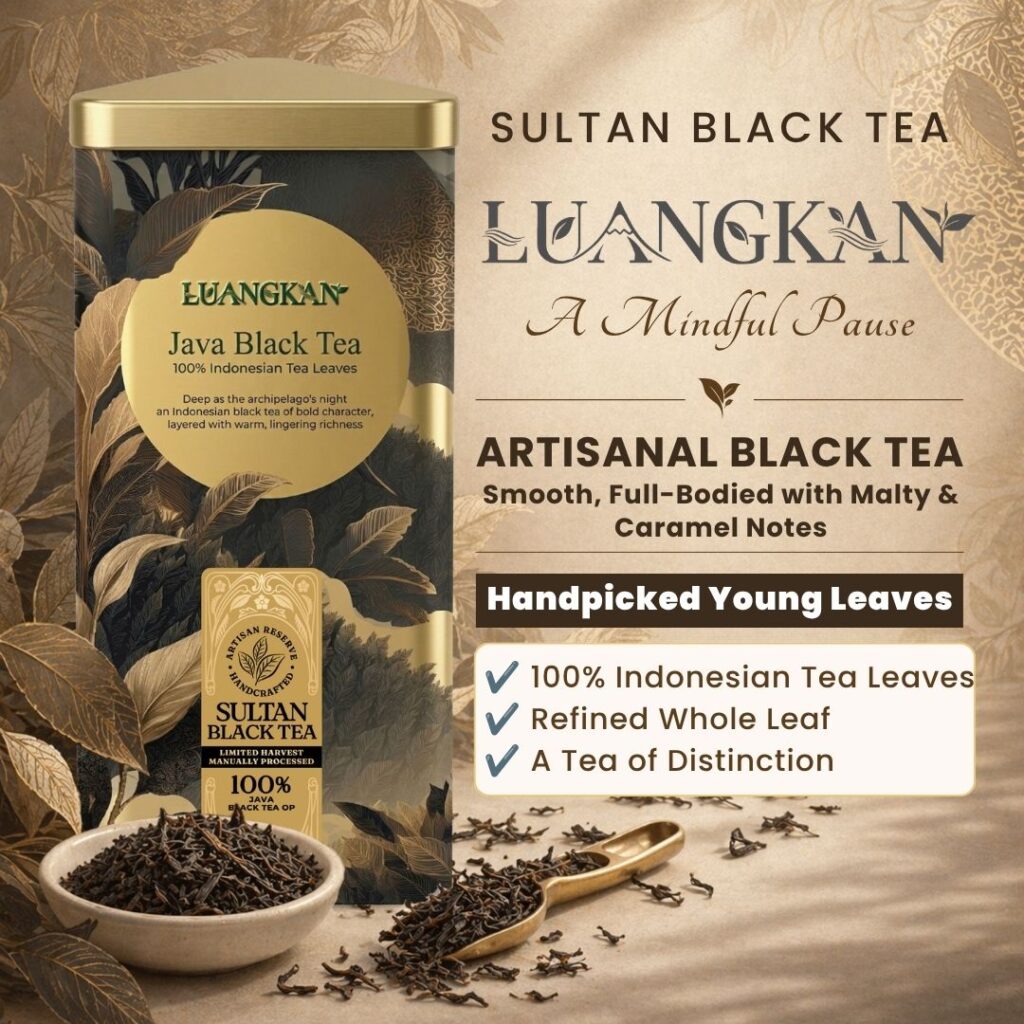
Black Tea
Best quality:
2–3 years
Because Black Tea has already undergone full oxidation during processing, it is one of the most stable tea categories.
Hojicha
Best quality:
6–12 months
Although relatively stable, its roasted aromas are at their best when consumed fresh.
The Aging Exception: Pu-erh and Vintage Teas
Most teas slowly decline with age.
However, a small group of teas follows the opposite path.
Examples include:
- Aged Pu-erh
- Vintage White Tea
- Certain aged or re-roasted Oolongs
Under carefully controlled storage conditions, these teas continue evolving over time.
As they mature, bitterness and harshness soften while deeper notes of wood, dried fruit, earthiness, and sweetness emerge. For these teas, time can increase both flavor complexity and market value.
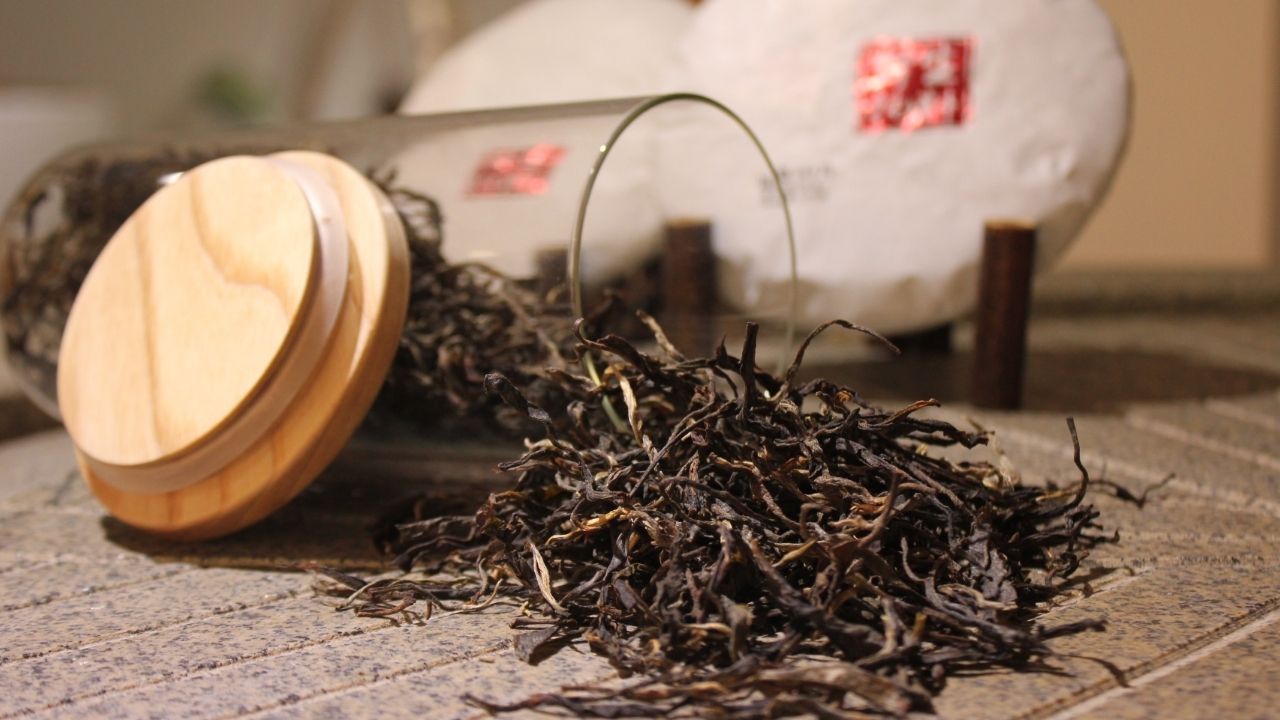
Pro-Level Tea Storage Protocols
The ideal storage environment is:
- Cool
- Dry
- Dark
- Odor-free
Excellent storage options include:
- Opaque tea tins
- Aluminum barrier pouches
- Airtight ceramic containers
If you purchase tea in larger quantities, avoid repeatedly opening the same container. A practical approach is to keep a small amount in an everyday-use tin while storing the remaining tea in a tightly sealed package.
This minimizes oxygen exposure and helps preserve freshness for longer.
Should Tea Be Refrigerated?
For most teas, refrigeration is unnecessary and may even create additional risks.
Refrigerators contain moisture and food odors, both of which can damage tea quality if packaging is not completely sealed.
There is one notable exception: highly delicate Japanese Green Teas such as Sencha, Gyokuro, and Matcha are sometimes refrigerated by producers and specialty tea shops to preserve freshness.
However, the tea must remain completely sealed and moisture-proof. Before opening a refrigerated package, allow it to return fully to room temperature. Opening a cold package too early can cause condensation to form directly on the leaves, immediately damaging the tea.
Storage Tips for HORECA and Tea Businesses
For cafés, restaurants, hotels, and tea retailers, consistency is critical.
Best practices include:
- Keep bulk tea sealed until needed.
- Reseal opened tea immediately after use.
- Avoid heat, sunlight, and strong odors.
- Store tea in smaller units rather than repeatedly opening one large bag.
Reducing oxygen exposure helps preserve freshness and maintain a consistent flavor profile throughout the life of the product.
Final Thoughts
Tea storage is not complicated, but it is often overlooked.
Protect tea from oxygen, moisture, light, heat, and strong odors, and most quality issues disappear before they begin.
A great tea can only perform as well as it is stored. By following a few simple storage practices, you can preserve the aroma, flavor, and character that make fine tea worth drinking in the first place.
Ya, untuk versi ini saya yakin. Tidak sempurna, tetapi sudah berada di titik yang menurut saya seimbang antara readability, GEO, authority, dan practicality.