
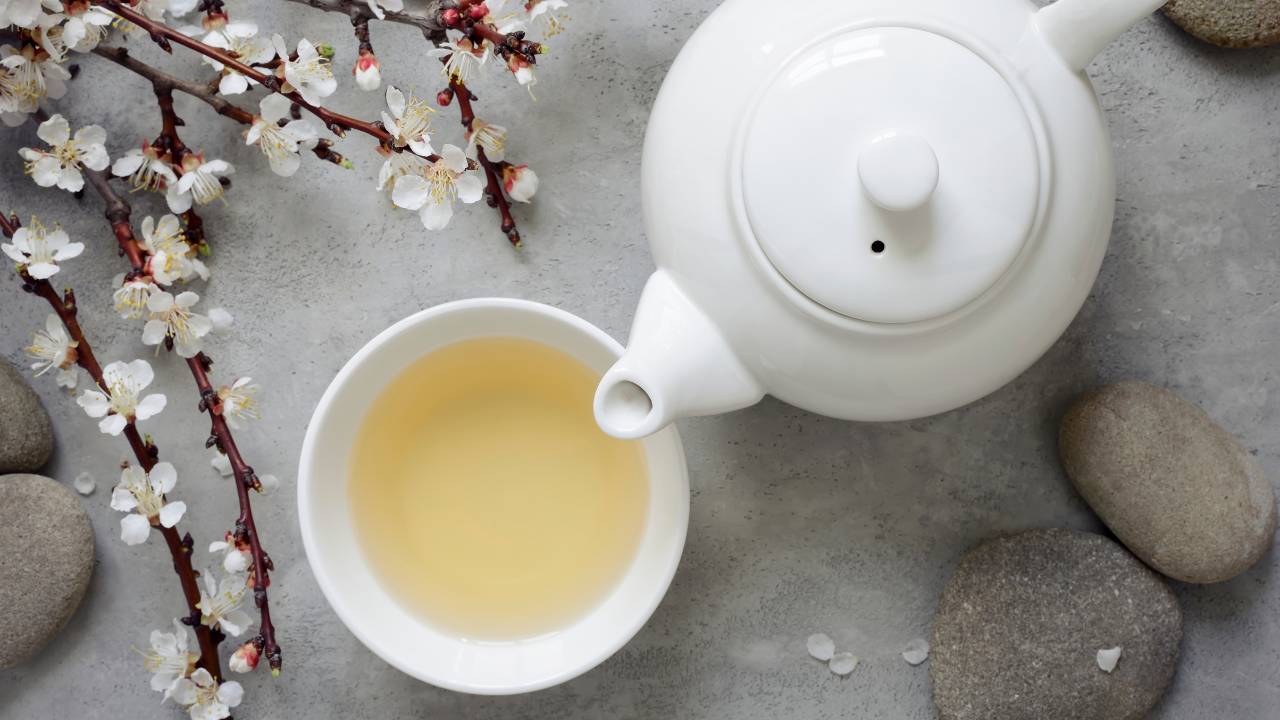
White tea is often considered the most delicate category in the tea world because it undergoes minimal mechanical processing.
However, white tea is not a single uniform product. Different white teas can vary dramatically in flavor, aroma, body, and appearance.
The primary differences are determined by two key factors:
- The specific part of the Camellia sinensis shoot that is harvested.
- The degree of natural oxidation that develops during the withering process.
Understanding these differences helps explain why Silver Needle tastes completely different from White Peony, and why Grey Dragon occupies a unique position within the world of premium white tea.
What Makes White Tea Unique?
Among the major tea categories, white tea undergoes some of the least processing.
Unlike black tea, which is fully oxidized, or green tea, which is heated shortly after harvest to prevent oxidation, white tea is primarily withered and dried with minimal intervention.
This gentle approach preserves much of the leaf’s natural character, producing teas that are often known for:
- Natural sweetness
- Floral aromas
- Smooth texture
- Low bitterness
- Elegant complexity
Because white tea processing is so minimal, the quality of the harvested material becomes especially important.
The younger and more carefully selected the buds and leaves, the more prized the tea generally becomes.
Why White Tea Is Considered Premium
White tea is often associated with premium and specialty tea markets.
Several factors contribute to its reputation:
- Young leaf material is carefully selected.
- Harvest windows are often short and seasonal.
- Delicate buds require careful handling.
- Production yields are typically lower than many commercial teas.
- Minimal processing leaves little room to hide imperfections.
As a result, high-quality white tea demands both excellent agricultural practices and meticulous harvesting standards.
Understanding the White Tea Spectrum
One of the easiest ways to understand premium white tea is to view it as a spectrum defined by both leaf anatomy and oxidation level.
In simple terms:
- Silver Needle represents the lightest and least oxidized end of the spectrum.
- White Peony occupies the middle ground, combining young buds with young leaves and slightly greater oxidation.
- Grey Dragon sits at the richer and more oxidized end while still retaining the elegance and smoothness associated with white tea.
As both leaf maturity and oxidation increase, the tea generally develops greater body, deeper flavor, and a more complex finish.
Silver Needle (Bai Hao Yin Zhen)
Silver Needle is widely regarded as the most prestigious and refined white tea grade.
It is produced exclusively from unopened terminal buds harvested during the earliest spring flush.
Because only the youngest buds are selected, Silver Needle requires exceptional labor and careful sorting.
Harvesting Anatomy
- 100% unopened buds
- No leaves included
- Early spring harvest
Processing
Silver Needle undergoes extremely gentle processing.
The buds are carefully withered and dried with minimal oxidation, preserving their natural compounds and delicate character.
Appearance
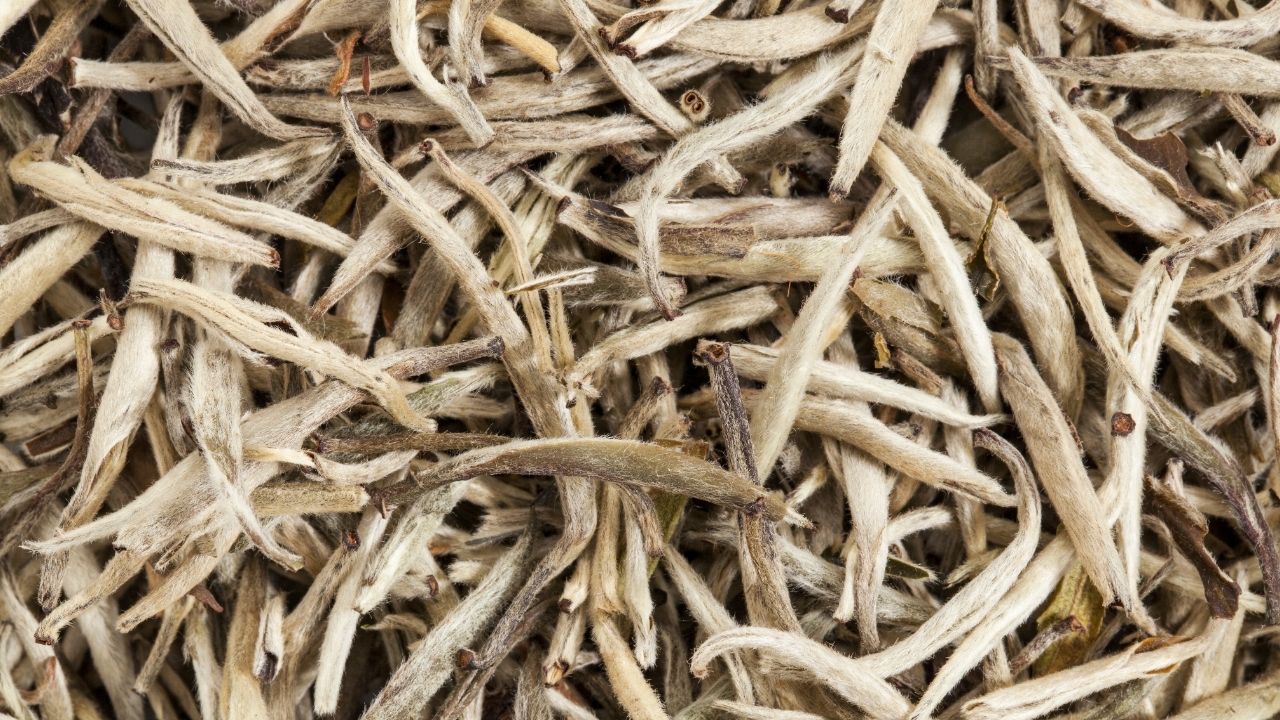
Silver Needle consists of straight, uniform needle-shaped buds covered in fine silvery-white hairs.
These downy hairs are one of the tea’s most recognizable visual characteristics.
Flavor Profile
Silver Needle typically produces:
- Very pale liquor
- Delicate body
- Natural sweetness
- Fresh floral notes
- Clean finish
Many tea drinkers detect subtle notes reminiscent of:
- Fresh cucumber
- Young hay
- Alfalfa
- Spring flowers
Silver Needle is often considered the purest expression of white tea.
White Peony (Bai Mu Dan)
White Peony is the world’s most recognized and widely consumed white tea.
It offers a balance between the delicacy of Silver Needle and the greater body created by young leaves.
Harvesting Anatomy
White Peony is traditionally produced using:
One bud and one to two young leaves
This combination creates a balance between the delicacy of the bud and the greater body contributed by the young leaves.
Because the leaves are allowed to develop slightly more than Silver Needle, White Peony delivers greater flavor intensity and complexity.
Processing
White Peony typically experiences a longer natural withering period than Silver Needle.
This allows a light degree of natural oxidation to develop, contributing additional flavor complexity.
Appearance
White Peony displays:
- Silver buds
- Green to olive-colored leaves
- A loose, natural appearance
Its rustic appearance contrasts with the highly uniform look of Silver Needle.
Flavor Profile
White Peony typically offers:
- Floral aromas
- Honey-like sweetness
- Fuller body
- Greater complexity
- Longer finish
Many tea drinkers identify notes resembling:
- Peony blossoms
- Chrysanthemum
- Wildflowers
- Light toasted nuts
Compared with Silver Needle, White Peony delivers a richer and more expressive cup.
Grey Dragon (Bespoke Oxidized White Tea)
Grey Dragon represents one of the most distinctive expressions of premium white tea.
Unlike White Peony, Grey Dragon is not defined by the use of more mature leaves. Instead, it is distinguished by its extended natural oxidation and prolonged withering process.
Much like Silver Needle, Grey Dragon utilizes premium needle-like buds or full tips. However, instead of minimizing oxidation, the buds are intentionally allowed to undergo a much longer natural withering period before final drying.
This extended process gradually transforms the tea’s chemistry and creates a dramatically different drinking experience.
Harvesting Anatomy
- Premium full tips and buds
- Carefully selected harvest material
- Often produced from specialized tea cultivars
Processing
After harvest, the buds undergo an extended natural withering period that is significantly longer than that used for traditional Silver Needle.
This prolonged withering allows natural oxidation to develop gradually, creating greater depth and complexity while preserving the tea’s refined character.
Appearance
Grey Dragon often displays:
- Needle-like bud structure
- Silvery-white hairs
- Dark grey to black oxidized surfaces
- High visual contrast
The appearance immediately distinguishes it from traditional Silver Needle.
Flavor Profile
Grey Dragon typically produces:
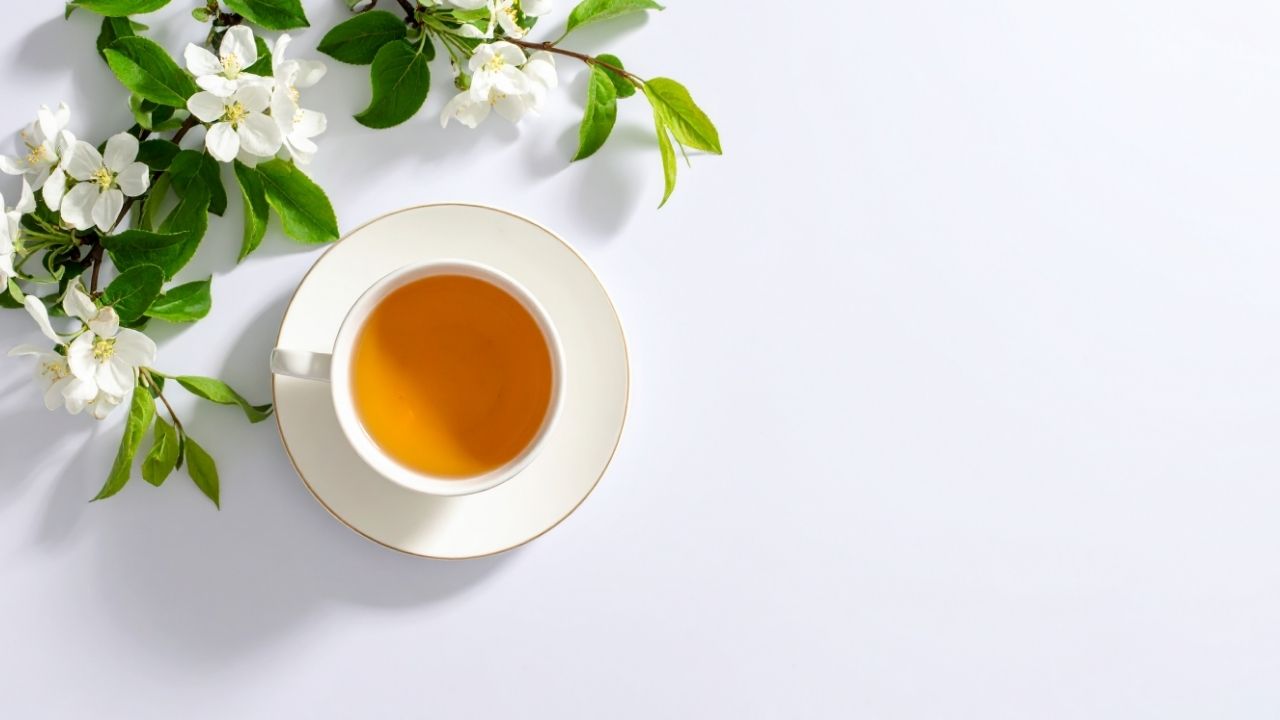
- Light gold to amber liquor
- Fuller body than classic white tea
- Smooth mouthfeel
- Deep floral character
- Stone fruit notes
- Honey-like sweetness
- Soft woody nuances
- Velvety finish
Despite its darker appearance and richer flavor profile, Grey Dragon is generally marketed and appreciated as a premium white tea rather than an oolong tea.
Its extended withering creates a bridge between the delicate elegance of traditional white tea and the deeper complexity often associated with more oxidized tea styles.
For tea drinkers seeking greater complexity than Silver Needle or White Peony while maintaining the elegance of white tea, Grey Dragon offers a distinctive and highly rewarding experience.
Silver Needle vs White Peony vs Grey Dragon
Although all three belong to the white tea family, they offer remarkably different experiences.
Silver Needle
Best known for:
- 100% buds
- Lowest oxidation
- Lightest body
- Fresh floral sweetness
- Pure and delicate character
White Peony
Best known for:
- One bud and one to two leaves
- Floral complexity
- Balanced body
- Honey-like sweetness
- Versatile character
Grey Dragon
Best known for:
- Premium buds and tips
- Extended natural oxidation
- Fuller body
- Stone fruit complexity
- Smooth, velvety finish
Can White Tea Be Aged?
Unlike most green teas, high-quality white tea can continue evolving over time.
Many tea collectors intentionally age premium white teas for years.
However, not every white tea is intentionally produced for long-term aging. The tea’s quality, leaf material, and production style all influence its aging potential.
As white tea matures, it often develops:
- Richer sweetness
- Honey-like notes
- Dried fruit characteristics
- Greater depth
- Smoother mouthfeel
This aging potential has made premium white tea increasingly popular among collectors and connoisseurs.
How to Brew White Tea
Because white tea is delicate, brewing temperature plays a critical role.
For best results:
- Tea-to-water ratio: 2 grams per 100 ml
- Water temperature: 75–85°C
- Steeping time: 2–4 minutes
- Re-infusions: Up to 3 infusions
Using water that is too hot can overwhelm the tea’s subtle sweetness and floral notes.
Lower temperatures help preserve the elegance that makes white tea unique.
Which White Tea Should You Choose?
Choose Silver Needle if you appreciate elegance, subtlety, and the purest expression of premium tea buds.
Choose White Peony if you want a balanced combination of sweetness, floral complexity, and body.
Choose Grey Dragon if you enjoy deeper flavor complexity, extended oxidation character, and a richer white tea experience.
Final Thoughts
White tea may appear simple, but subtle differences in bud selection, leaf maturity, and oxidation can dramatically influence the final cup.
Silver Needle showcases the purity of carefully selected buds with minimal oxidation. White Peony balances buds and young leaves to create greater body and floral complexity. Grey Dragon demonstrates how extended natural withering can transform premium buds into a richer and more layered expression of white tea.
Understanding these distinctions allows tea drinkers to appreciate why different white teas can taste remarkably different, even when they originate from the same tea plant.
Whether you prefer the pristine elegance of Silver Needle, the balanced character of White Peony, or the deeper complexity of Grey Dragon, white tea offers some of the most nuanced and rewarding experiences in the world of tea.