
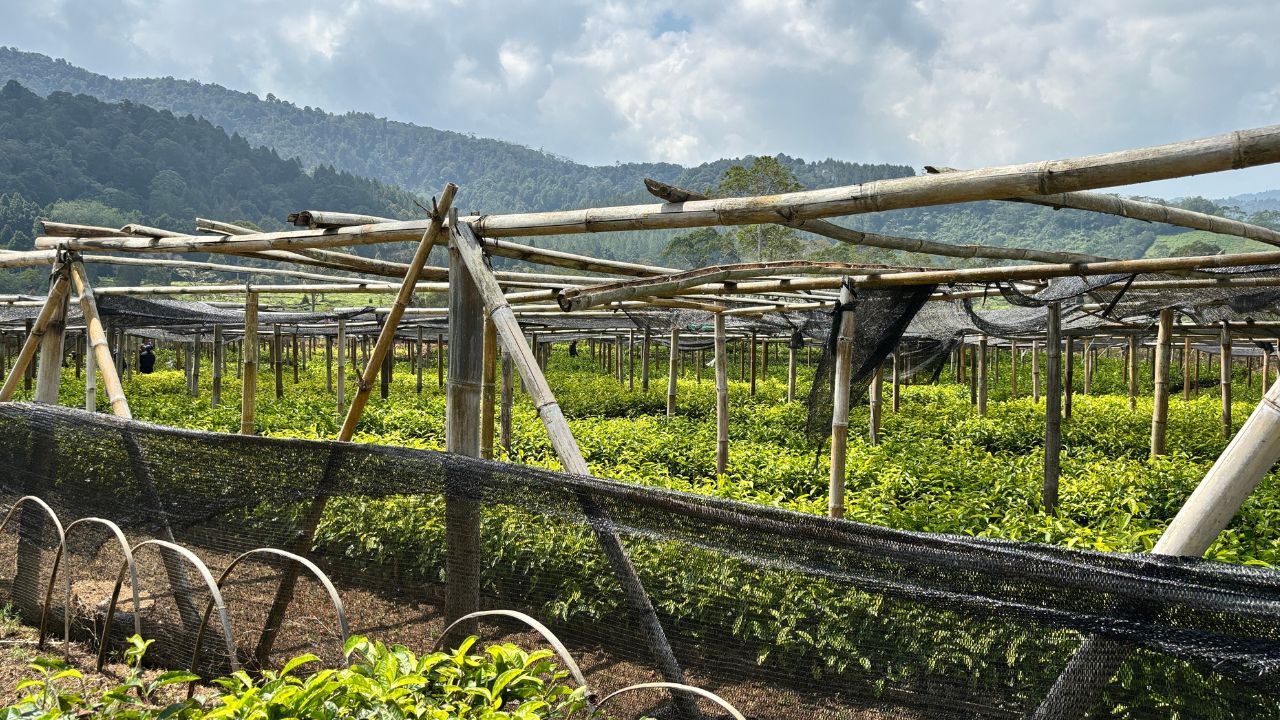
When sourcing tea internationally, buyers generally choose between two business models.
The first is purchasing through a tea trader or broker. The second is purchasing directly from a tea producer.
Both models serve important roles in the global tea industry, but they offer very different levels of visibility, control, and supply-chain transparency.
For importers, distributors, and private-label tea brands, understanding these differences is essential when building a long-term sourcing strategy.
What Is a Tea Trader?
A tea trader acts as an intermediary between producers and buyers.
Rather than owning tea estates or manufacturing facilities, traders typically purchase tea from multiple factories, producers, or origins before reselling it to customers.
For many buyers, this approach offers practical advantages:
- Access to multiple origins through a single supplier
- Lower purchasing volumes
- Simplified procurement
- Consolidated logistics
- Faster access to a broad range of products
For businesses exploring new markets or testing new tea categories, traders can provide valuable flexibility.
What Is Direct Sourcing?
Direct sourcing involves purchasing tea directly from the producer responsible for growing, processing, and exporting the tea.
Instead of relying on multiple intermediaries, buyers work directly with the organization that controls production at origin.
This creates a shorter supply chain, clearer communication, and greater visibility into how the tea is produced.
For many premium tea brands, direct sourcing has become increasingly important as consumers and regulators demand higher levels of transparency and traceability.
Estate Ownership Creates Greater Transparency
One of the biggest differences between traders and producers is visibility.
When tea passes through multiple intermediaries, information about origin, harvesting practices, processing methods, and production history can become limited or fragmented.
Direct sourcing allows buyers to understand exactly where their tea comes from.
This may include:
- Estate location
- Harvest season
- Production methods
- Processing standards
- Batch traceability
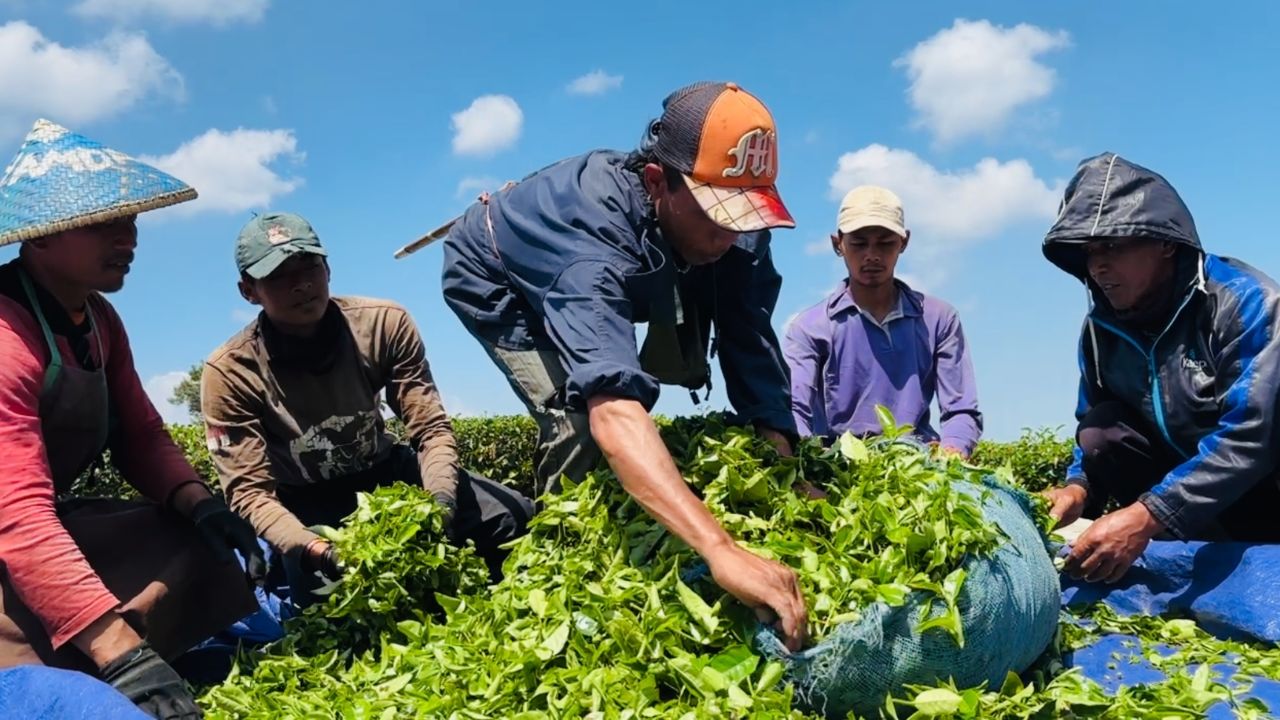
LUANGKAN owns and operates tea estates and processing facilities across West Java, providing buyers with visibility from cultivation through export.
This ownership structure creates stronger traceability and allows buyers to verify origin claims with greater confidence.
For premium brands, that transparency supports both regulatory compliance and consumer trust.
Greater Production Control Means Greater Consistency
Consistency is one of the most valuable assets in the tea business.
A sample may taste excellent, but buyers ultimately need confidence that future shipments will perform the same way.
Because estate-owning producers control cultivation, harvesting, processing, grading, and quality management, they often have greater ability to maintain consistency over time.
This level of production control helps reduce risks associated with:
- Flavor drift
- Grade variation
- Quality fluctuations
- Supply inconsistencies
For brands built on repeat purchases, consistency is often more valuable than achieving the lowest possible purchase price.
Direct Collaboration Enables Customization
Many tea brands require products that cannot simply be selected from a catalog.
They may require specific leaf grades, custom blends, particle sizes, oxidation levels, or private-label programs.
Direct sourcing often allows buyers to work more closely with production teams when developing customized products.
Because communication occurs directly with the producer, adjustments can be evaluated and implemented more efficiently.
This flexibility can be particularly valuable for brands seeking product differentiation in competitive markets.
Supply Security Becomes Increasingly Important
As tea businesses grow, supply reliability often becomes just as important as product quality.
Many buyers discover that securing long-term volume is more challenging than sourcing an initial sample.
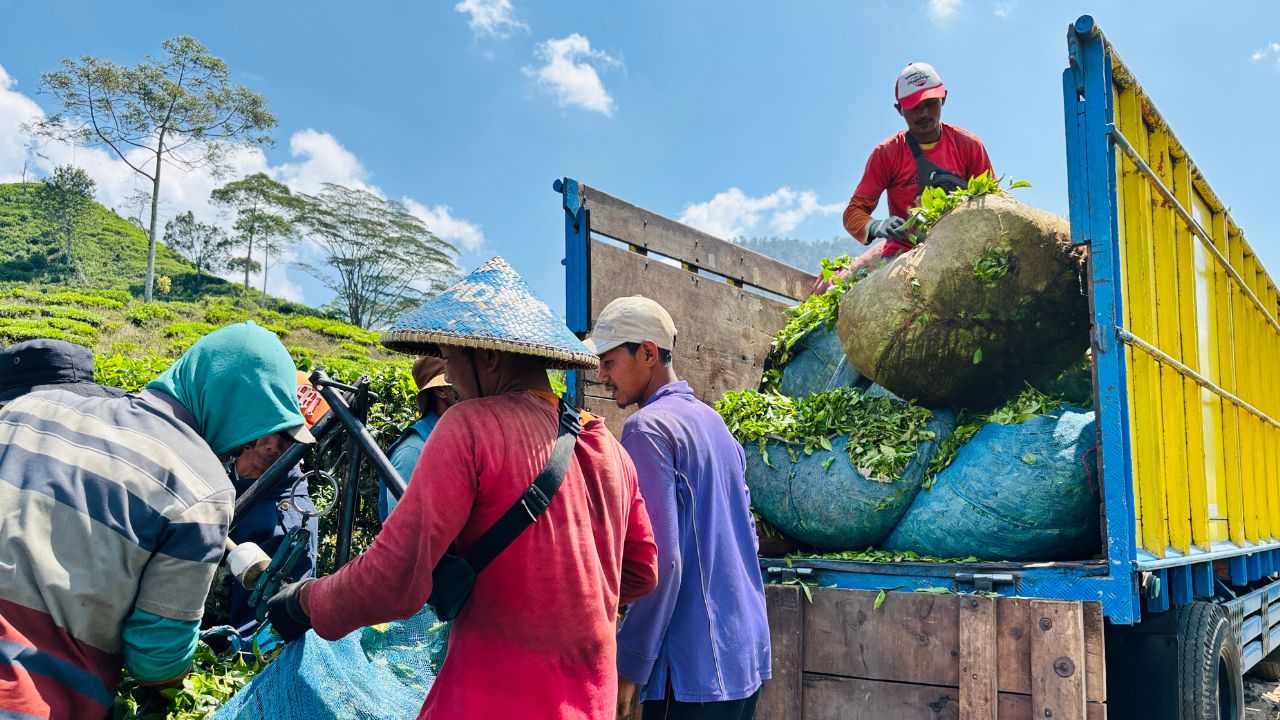
When working directly with estate-owning producers, buyers typically gain greater visibility into production capacity, harvest conditions, and future availability.
LUANGKAN’s estate ownership and production infrastructure across West Java help provide greater supply continuity and reduce dependence on fragmented third-party sourcing networks.
For importers planning future growth, this visibility supports better forecasting and inventory management.
Which Model Is Right for Your Business?
There is no single sourcing model that fits every situation.
A tea trader may be the better choice if:
- You require multiple origins from a single supplier
- You purchase relatively small volumes
- You prioritize procurement simplicity
- You need broad product variety
Direct sourcing may be the better choice if:
- You require origin transparency
- You need traceability
- You seek customized products
- You value production visibility
- You are building a long-term tea program
- You prioritize supply-chain stability
Many successful tea businesses use both models at different stages of growth.
The key is understanding which approach best supports your business objectives.
Conclusion
Both traders and producers play important roles in the global tea industry.
However, as traceability, consistency, and supply-chain transparency become increasingly important, many tea brands are choosing to build closer relationships with producers at origin.
Direct sourcing provides more than a purchasing relationship. It creates greater visibility into how tea is grown, processed, and supplied over time.
For importers seeking long-term consistency, stronger traceability, and greater supply security, working directly with an estate-owning producer can offer significant advantages beyond the tea itself.